Kishan Reddy visits Scenic World, a coal mine turned tourist gem
Synopsis
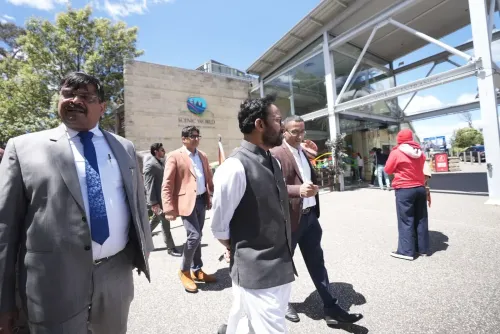
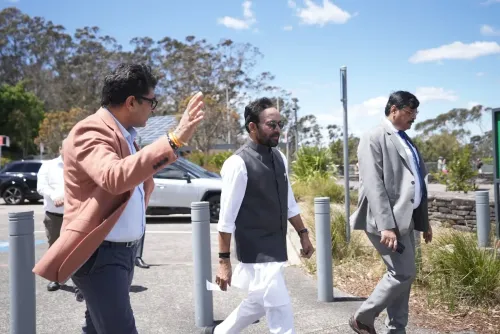
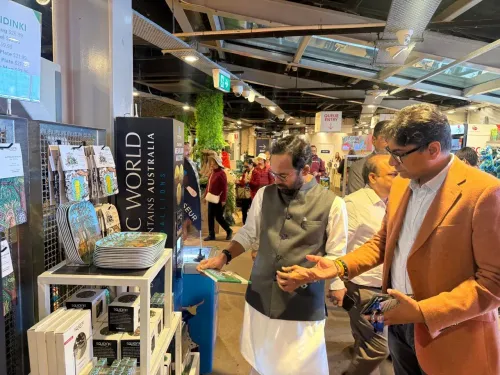
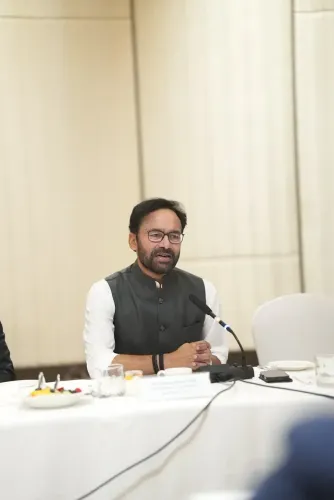
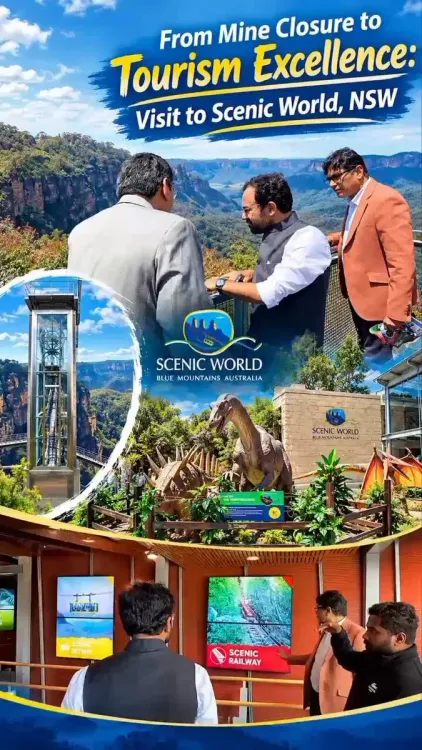
Union Coal and Mines Minister G. Kishan Reddy visited Scenic World in New South Wales, Australia — a former coal mine transformed into a world-famous tourist site — and shared glimpses on X, tagging India's MEA, Mines and Coal ministries and the High Commission in Canberra.
Key Takeaways
Kishan Reddy , Union Minister of Coal and Mines, visited Scenic World in the Blue Mountains, New South Wales, Australia on 29 October 2026 .
Scenic World is a former working coal mine now operating as one of Australia's most-visited private tourist attractions, featuring the world's steepest passenger railway.
Reddy tagged @MEAIndia, @MinesMinIndia, @CoalMinistry and @HCICanberra in his post, signalling cross-ministerial relevance.
India and Australia have maintained a Comprehensive Strategic Partnership since 2020 , with minerals and resources as a key pillar.
The visit draws attention to post-mining land repurposing — a policy area India is yet to formalise at scale for its vast coal-belt regions.
A former coal mine in the heart of the Blue Mountains, New South Wales, is offering Union Coal and Mines Minister G. Kishan Reddy a striking window into what post-mining land transformation can look like — and he is making sure India takes note.
On Thursday, 29 October 2026, Reddy shared glimpses from his visit to Scenic World, tagging India's Ministry of External Affairs, the Ministry of Mines, the Coal Ministry, and the High Commission of India in Canberra. The message was deliberate: here is a working model of what happens after a mine closes.
From coal seams to cable cars: what Scenic World represents
Scenic World sits at Katoomba in the Blue Mountains, perched above the Jamison Valley. The site was once a working coal mine; today it draws hundreds of thousands of visitors a year with the world's steepest passenger railway — the original mine incline — along with aerial skyways and walkways threading through ancient rainforest. It is one of the most-visited private attractions in Australia, and its origin story is inseparable from coal.
The transformation is exactly the kind of case study that resonates when a government is simultaneously managing an active coal economy while facing growing pressure to plan for its eventual wind-down. India operates the world's second-largest coal sector by production volume, with hundreds of mines spread across Jharkhand, Odisha, Chhattisgarh and Madhya Pradesh — many of them in ecologically and economically fragile zones where post-closure land use will matter enormously to local communities.
Why Reddy looped in four government handles
The deliberate tagging of @MEAIndia, @MinesMinIndia, @CoalMinistry and @HCICanberra is more than social-media housekeeping. It signals that the visit is being framed as cross-ministerial intelligence-gathering — connecting diplomacy, resource policy and tourism potential in a single frame. India and Australia have held a Comprehensive Strategic Partnership since 2020, with minerals and critical resources forming one of its core pillars. Periodic ministerial exchanges on the resources front have become a regular feature of that partnership.
Reddy's post stops short of any policy announcement, but the optics are pointed: a senior minister responsible for India's coal future standing inside a coal mine that reinvented itself as a global tourist draw.
The quiet argument for post-mining planning
India does not yet have a formal, unified policy framework for post-mine closure land repurposing at the scale that countries like Australia or Germany have developed. The conversation is early-stage — but it is happening, pushed along by civil society, state governments sitting on depleting deposits, and international partners keen to showcase alternatives. A minister's social-media post from a Blue Mountains cable car is a small signal. But in policy terms, small signals from the minister who controls the portfolio are rarely accidental.
What Kishan Reddy saw at Scenic World, India's coal belt may eventually need to imagine for itself.
Point of View
Multi-ministry post from Scenic World reads as a soft policy signal rather than tourism enthusiasm alone — it plants a visual reference point for post-mining land use inside the institutional memory of India's coal and mines bureaucracy. With India's coal sector facing long-term transition pressure, ministerial exposure to successful repurposing models abroad is part of how policy imagination quietly shifts. The India-Australia minerals partnership gives the visit a bilateral frame as well, keeping it legible both as domestic policy communication and as diplomatic engagement. Whether it accelerates any formal post-closure planning framework back home is the question worth watching.
NationPress
29 Oct 2026
Frequently Asked Questions
What is Scenic World in Australia?
Scenic World is a popular tourist attraction in Katoomba, Blue Mountains, New South Wales , built on the site of a former coal mine. It features the world's steepest passenger railway — originally a mine incline — along with an aerial skyway and rainforest boardwalks, and draws hundreds of thousands of visitors annually.
Why did Kishan Reddy visit Scenic World?
The minister shared glimpses from his visit on 29 October 2026 , tagging India's MEA, Mines Ministry, Coal Ministry and the High Commission in Canberra — framing the trip as a cross-ministerial look at how a former coal mine can be transformed into a thriving tourist destination.
What is India's post-mining land use policy?
India does not yet have a comprehensive, unified national framework for post-mine closure land repurposing. The conversation is in early stages, with state governments, civil society and international partners like Australia helping shape it through exchanges and site visits.
What is the India-Australia Comprehensive Strategic Partnership?
India and Australia elevated their bilateral relationship to a Comprehensive Strategic Partnership in 2020 , covering areas including defence, trade, critical minerals, energy and people-to-people links. Minerals and resources cooperation is one of its core pillars.
Which ministries did Kishan Reddy tag in his Scenic World post?
Reddy tagged @MEAIndia (Ministry of External Affairs), @MinesMinIndia (Ministry of Mines), @CoalMinistry and @HCICanberra (High Commission of India in Canberra) in his post on X.