Vijaya Dashami 2026: Sweetmeat prices double in Kolkata, yet Bengal celebrates

Synopsis
Sweetmeat prices in Kolkata nearly doubled this Vijaya Dashami — from ₹10–₹15 to ₹20–₹30 per piece — as soaring milk, sugar, and labour costs squeezed shop owners. Yet Bengali families refused to scale back the centuries-old custom of exchanging sweets, underlining how deeply the tradition is woven into the cultural fabric of the festival's farewell ritual.
Key Takeaways
Sweetmeat prices in Kolkata rose to ₹20–₹30 per piece on Vijaya Dashami, 21 October 2026 , up from ₹10–₹15 the previous year.
Shop owners cite surging milk and sugar prices as well as higher daily wages for sweetmeat makers as the primary drivers.
Prices were raised in two stages — first by ₹2–₹5 before Durga Puja, then again on Wednesday as Vijaya Dashami demand peaked.
Despite the spike, middle-class Bengali households have largely maintained their customary sweet exchanges, absorbing the higher cost.
The trend reflects a broader pattern of food price inflation affecting festive spending across India in 2026.
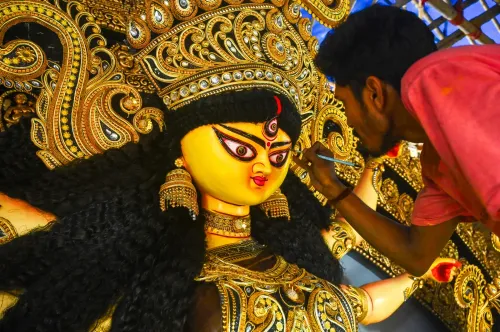
Despite a near-doubling of sweetmeat prices driven by soaring milk and sugar costs, Kolkata families marked Vijaya Dashami on 21 October 2026 with the same fervour as always — buying Rasgulla, Sandesh, and other traditional sweets to exchange with relatives and friends as Goddess Durga's idols were immersed, drawing the four-day Durga Puja festivities to a close.
How Much Prices Have Risen
Sweetmeats that retailed for as little as ₹10 to ₹15 per piece until last year are now being sold at ₹20 to ₹30 apiece — roughly double the earlier price. Shopkeepers had already raised prices by ₹2 to ₹5 per piece ahead of Durga Puja; a further increase was applied on Wednesday as festive demand peaked on Vijaya Dashami.
What Sweetmeat Shop Owners Say
Bivu Das, owner of a popular sweetmeat shop in south Kolkata, said the scale of this year's hike was unusual. 'Sweetmeat prices usually rise slightly every year on this occasion because of the high demand and the festive spirit. But this year, we have been forced to increase the prices of popular varieties such as Rasgulla and Sandesh because of the exorbitant rise in milk and sugar prices just before Durga Puja,' he said.
Sashi Ghosh, a sweetmeat shop owner in north Kolkata, pointed to an additional factor: higher daily wages for skilled sweetmeat makers. 'On Wednesday, prices have been raised further because of the high demand. Another factor is that we had to increase the daily wages of sweetmeat makers before Durga Puja, keeping in mind their needs amid rising inflation. This has also contributed considerably to the price rise,' Ghosh said.
Middle-Class Households Feel the Pinch
The price surge has hit middle-class Bengali households hardest during the festive season, forcing many families to revise their celebration budgets upward. Yet, accounts from across the city suggest that few have opted to cut back on the customary exchange of sweets, treating the tradition as non-negotiable.
Dolon Sengupta, a homemaker, captured the sentiment: 'Vijaya Dashami is an occasion when relatives, friends and loved ones come together, setting aside differences and misunderstandings that may have continued throughout the year. Sweetmeats are an integral part of these "sweet" reunions. This year, the rising prices have forced me to exceed my budget for the celebrations, but I have not cut back on the arrangements. After all, I will have to wait another year for this occasion.'
Why the Tradition Endures
The exchange of sweetmeats on Vijaya Dashami is not merely a commercial transaction — it is a decades-old cultural ritual tied to the symbolic farewell of Goddess Durga, who is venerated as a daughter returning home during the five-day festival. This cultural weight, observers note, makes the practice resistant to inflationary pressure in a way that ordinary consumer spending is not. This comes amid a broader pattern of food price inflation affecting festive spending across Indian states this year, with milk and sugar among the hardest-hit commodities.
With Vijaya Dashami concluded, attention in West Bengal now turns to the remainder of the festive calendar and whether commodity prices will ease before the next major celebratory occasion.
Point of View
Layering festive premiums on top of already elevated input costs. What is striking is the inelasticity of demand: the tradition proves nearly impervious to a near-100% price increase, which tells us something important about how cultural obligation overrides consumer rationality in festive India. The real story here is not celebration resilience but the growing affordability gap — middle-class families are absorbing the hit today, but repeated inflationary festive seasons risk quietly eroding household savings that are not replenished. Policymakers monitoring food inflation should note that sweetmeat shops, while informal, are a meaningful barometer of milk and sugar price transmission to end consumers.
NationPress
21 Oct 2026
Frequently Asked Questions
Why did sweetmeat prices rise in Kolkata for Vijaya Dashami 2026?
Sweetmeat prices in Kolkata nearly doubled to ₹20–₹30 per piece due to a sharp rise in milk and sugar costs ahead of Durga Puja 2026, compounded by higher daily wages demanded by skilled sweetmeat makers. Shop owners raised prices in two rounds — once before Durga Puja and again on Vijaya Dashami itself as demand surged.
What is the tradition of sweetmeat exchange on Vijaya Dashami?
Vijaya Dashami marks the immersion of Goddess Durga's idols and the close of the four-day Durga Puja festival. For decades, exchanging sweetmeats with relatives, friends, and loved ones has been a central cultural ritual of the occasion in Bengal, symbolising reconciliation and reunion.
How much have sweetmeat prices increased compared to last year?
Items that cost ₹10–₹15 per piece last year are now priced at ₹20–₹30, representing a near-doubling. Prices were first raised by ₹2–₹5 per piece before Durga Puja and further increased on Vijaya Dashami on 21 October 2026.
Are Bengali families cutting back on sweets due to higher prices?
No — despite the steep price rise, Bengali families have largely maintained their customary arrangements for sweet exchanges. Homemakers and shoppers interviewed in Kolkata said the cultural significance of the tradition outweighed budget concerns.
Which sweets have been most affected by the price hike?
Popular varieties such as Rasgulla and Sandesh have seen the sharpest increases, according to shop owners in south and north Kolkata, as these are among the most in-demand items during Vijaya Dashami celebrations.