Sindoor Khela 2026: Women mark Vijaya Dashami in Delhi, Bengal, Tripura
Synopsis
As Durga Puja reached its emotional peak on Vijaya Dashami, women in Delhi, Kolkata, Birbhum, and South Tripura came together for Sindoor Khela — the centuries-old Bengali ritual of farewell vermilion. From diaspora pandals in Chittaranjan Park to the traditional dak dole ceremony in Tripura, the day blended devotion, cultural identity, and the bittersweet goodbye to Goddess Durga.
Key Takeaways
Women across Delhi , West Bengal , and Tripura observed Sindoor Khela on Vijaya Dashami, 21 October 2026 .
In Delhi, celebrations were held at the Arambagh Puja Samiti pandal and at Chittaranjan Park .
In West Bengal, the Mudiali Club in Kolkata and Birbhum district hosted prominent gatherings.
In South Tripura , the ritual coincided with the traditional dak dole immersion ceremony.
Sindoor Khela — 'playing with vermilion' — marks the farewell to Goddess Durga before her symbolic return to Lord Shiva at Mount Kailash .
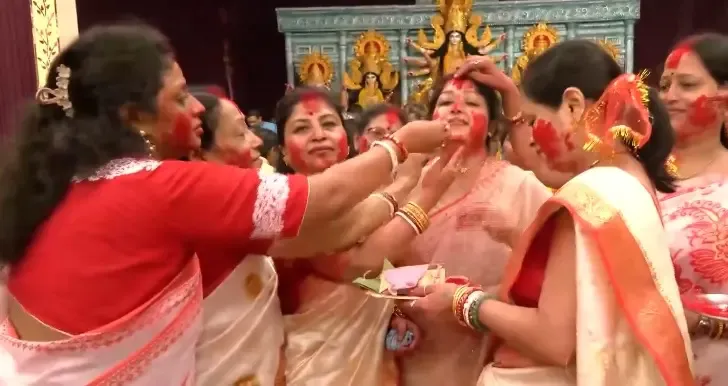
Women across Delhi, West Bengal, and Tripura observed the beloved Sindoor Khela ritual on Wednesday, 21 October, as Vijaya Dashami brought the Durga Puja festivities to a close. Devotees applied vermilion to each other's foreheads and cheeks, offered farewell prayers to Goddess Durga, and sought her blessings for the well-being of their families and communities.
Celebrations in Delhi
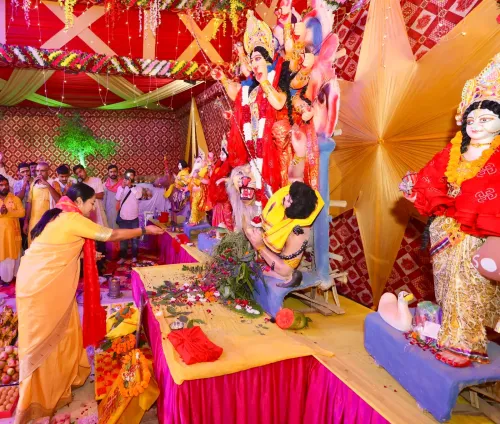
In the capital, the Arambagh Puja Samiti pandal hosted a spirited Sindoor Khela gathering, drawing women who participated enthusiastically in the farewell ceremony. The iconic Chittaranjan Park neighbourhood — widely regarded as Delhi's Bengali cultural hub — also came alive with the ritual, underscoring its significance among the city's Bengali diaspora.
One participant at the Delhi celebrations captured the communal spirit of the occasion. 'We are all Bengali migrants living here, and we worship Maa Durga together as one family,' she said.
West Bengal: Kolkata to Birbhum
In Kolkata, the Mudiali Club was among the prominent venues where women gathered for Sindoor Khela on Vijaya Dashami. Celebrations extended beyond the city to Birbhum district, where women smeared vermilion on one another's cheeks, prayed for the health and protection of their loved ones, and participated in the communal farewell to the Goddess.
Tripura's Traditional Dak Dole Ceremony
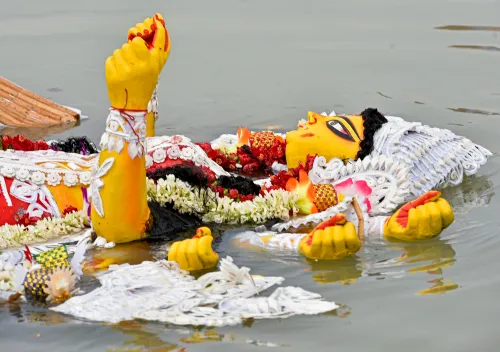
In South Tripura, Sindoor Khela unfolded alongside active preparations for the immersion of Goddess Durga. The presiding priest completed the formal immersion rituals, while women carried the Goddess's sacred pot to the priest's residence as part of the traditional dak dole ceremony — a practice deeply embedded in the region's cultural fabric.
The Ritual and Its Significance
Sindoor Khela, which translates to 'playing with vermilion', is one of the most recognisable customs of Bengali Hindu communities during Durga Puja. Observed on Bijoya Dashami — the festival's concluding day — the ritual begins with devotees offering sindoor to the Goddess, applying it to her forehead and feet, before smearing it on each other's faces and exchanging sweets and warm wishes for happiness and prosperity.
The ceremony is rooted in the belief that Goddess Durga visits her parental home during the five-day festival before returning to her husband, Lord Shiva, at Mount Kailash. She is welcomed as a daughter and bidden farewell with deep affection, lending the occasion a distinctly familial and emotional quality. Traditionally associated with married Bengali Hindu women, participation has evolved over time, with several organisers adopting more inclusive practices in recent years.
Vijaya Dashami also marks the start of Bijoya greetings — a season of exchanges, blessings, and community bonding that extends well beyond the festival itself.
Point of View
With more organisers opening it to all women rather than limiting it by marital status. That quiet shift mirrors broader conversations in Indian society about who 'belongs' in religious and cultural spaces — a subtext that mainstream festival coverage tends to pass over.
NationPress
21 Oct 2026
Frequently Asked Questions
What is Sindoor Khela and when is it celebrated?
Sindoor Khela, meaning 'playing with vermilion', is a Bengali Hindu ritual observed on Vijaya Dashami — the final day of Durga Puja. Women apply vermilion to the Goddess and then to each other, exchanging sweets and wishes as they bid farewell to Goddess Durga.
Where was Sindoor Khela celebrated in 2026?
In 2026, Sindoor Khela was celebrated across Delhi, West Bengal, and Tripura. Key venues included the Arambagh Puja Samiti pandal and Chittaranjan Park in Delhi, Mudiali Club in Kolkata, Birbhum district in West Bengal, and Durga Puja pandals in South Tripura.
What is the religious significance of Sindoor Khela?
The ritual is rooted in the belief that Goddess Durga visits her parental home during Durga Puja before returning to her husband, Lord Shiva, at Mount Kailash. Applying vermilion symbolises devotion and the emotional farewell to the Goddess as a beloved daughter of the household.
Who participates in Sindoor Khela?
Sindoor Khela is traditionally associated with married Bengali Hindu women, but participation varies across communities. In recent years, several organisers have adopted more inclusive practices, welcoming a broader group of women to take part in the ceremony.
What is the dak dole ceremony observed in Tripura?
The dak dole is a traditional immersion ceremony in which women carry the Goddess's sacred pot to the priest's residence, forming part of the ritual farewell to Goddess Durga on Vijaya Dashami. It is a cultural practice deeply embedded in Tripura's Bengali Hindu traditions.