KPSC scam: IAS officer, BJP leader get 10-day CID custody in Karnataka recruitment case
Synopsis
A Bengaluru court has handed the CID 10 days to crack open Karnataka's biggest recruitment scandal in years. With an IAS officer allegedly selling question papers for ₹40 lakh apiece and a BJP leader doubling as middleman, the probe now spans four government departments, an ED money-laundering angle, and a trail that reportedly leads to a former KPSC chairman — making this far larger than a single exam leak.
Key Takeaways
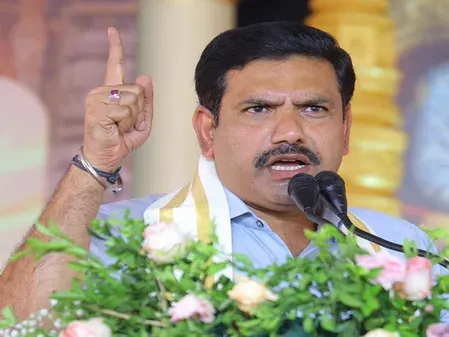
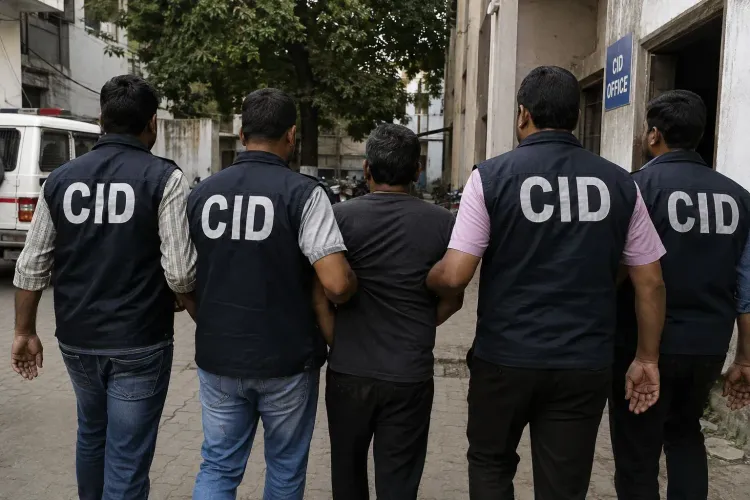
IAS officer Gyanendra Kumar Gangwar and BJP leader Basavaraj Kannale were remanded to 10 days of CID custody by a Bengaluru court on 31 August , until 9 September .
Gangwar allegedly leaked the KPSC veterinary officer question paper; papers were reportedly sold to candidates for around ₹40 lakh each.
Kannale, arrested in Delhi , is being investigated as an alleged middleman; his residence in Bidar district was searched by the CID.
The CID probe covers four recruitment examinations across as many government departments over the past three years.
The Enforcement Directorate (ED) has also conducted searches, adding a potential money-laundering dimension to the case.
The investigation is expected to extend to former KPSC chairman Shivashankarappa Sahukar and other commission officials.
A Bengaluru court on Monday, 31 August remanded IAS officer Gyanendra Kumar Gangwar and Bharatiya Janata Party (BJP) leader Basavaraj Kannale to 10 days of Criminal Investigation Department (CID) custody in connection with alleged irregularities in the Karnataka Public Service Commission (KPSC) veterinary officer recruitment examination. The court has directed that both accused be held in CID custody until 9 September to facilitate further questioning into the alleged question paper leak, manipulation of OMR answer sheets, and other recruitment malpractices.
Key Developments in the Case
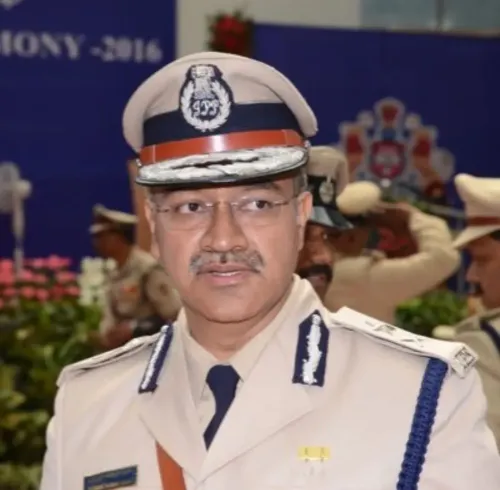
Gyanendra Kumar Gangwar, who served as the KPSC Controller of Examinations, was arrested by the CID after two days of intensive questioning on 28 and 29 August, with sessions reportedly extending late into the night. He was produced before the Bengaluru First Additional Chief Judicial Magistrate (ACJM) court, which had initially remanded him to one day of judicial custody before his appearance in open court on 31 August.
Investigators are examining alleged inconsistencies in Gangwar's statements and evidence that reportedly points to his role in the manipulation of OMR answer sheets. The CID also conducted an earlier search of the KPSC office as part of its probe into question paper leaks, marks manipulation, and other irregularities during his tenure.
BJP Leader Arrested in Delhi, Residence Searched
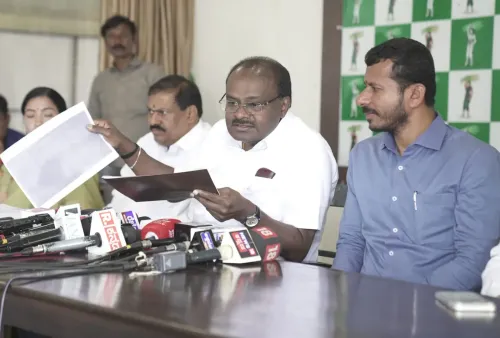
Basavaraj Kannale, a BJP leader from Bidar district, was arrested by the CID in Delhi on Sunday in connection with the same case. Investigators are probing his alleged role as a middleman who helped candidates secure government positions. The CID simultaneously conducted a search at his residence in Donagapura village, Bhalki taluk, Bidar district.
Kannale is reportedly considered close to former Deputy Chief Minister and MLA C.N. Ashwath Narayan and is said to be seeking a BJP ticket to contest from the Bhalki Assembly constituency. According to investigators, the leaked question paper was allegedly sold to candidates for around ₹40 lakh each, with Kannale allegedly facilitating the transactions.
Scale of the Alleged Recruitment Network
The CID probe is expected to widen significantly. Investigators have reportedly collected details of four recruitment examinations conducted over the past three years — covering the Rural Drinking Water and Sanitation Department, the Rural Development and Panchayat Raj Department, the Industries and Commerce Department, and the veterinary officer recruitment. The agency is examining the alleged involvement of officials and intermediaries across all four processes.
There are also allegations that selected candidates were provided training at hotels and resorts as part of the recruitment scheme — a detail that, if substantiated, would point to an organised operation rather than isolated malpractice. Investigators are additionally probing attempts to destroy evidence, including alleged manipulation of OMR sheets and deletion of CCTV footage from the strongroom.
ED Joins the Investigation
The alleged scam has drawn the attention of the Enforcement Directorate (ED), which has conducted searches at the residences of former KPSC chairman Shivashankarappa Sahukar, commission members, and officials. The ED had earlier searched Gangwar's residence; he was reportedly absent at the time, having travelled to his home state of Uttar Pradesh, and officials subsequently opened the house using a duplicate key to carry out the search.
The CID probe is expected to reach former KPSC chairman Sahukar and other commission officials in the coming days as the investigation intensifies.
What Happens Next
With 10 days of CID custody now secured, investigators are expected to press both accused on the full scope of the alleged recruitment network — including the identities of candidates who allegedly purchased question papers, the chain of intermediaries involved, and the fate of candidates who may have secured government jobs through irregular means. The parallel ED probe adds a money-laundering dimension that could further expand the circle of those under scrutiny.
Point of View
A politically connected middleman, hotel-based candidate training, and CCTV footage allegedly wiped from strongrooms: each element points to an operation that required institutional cover, not just individual greed. The ED's entry signals that investigators suspect proceeds were laundered, which could expose a financial network well beyond the two individuals now in custody. Karnataka has seen recruitment controversies before, but the alleged scale here — four departments, three years, ₹40 lakh per paper — demands scrutiny of how oversight structures at the KPSC failed to detect or flag any of this.
NationPress
31 Aug 2026
Frequently Asked Questions
What is the KPSC recruitment scam in Karnataka?
The KPSC recruitment scam involves alleged irregularities in the Karnataka Public Service Commission's veterinary officer recruitment examination, including a question paper leak, manipulation of OMR answer sheets, and deletion of CCTV footage. Investigators suspect question papers were sold to candidates for around ₹40 lakh each, with officials and middlemen allegedly facilitating the process.
Who are Gyanendra Kumar Gangwar and Basavaraj Kannale?
Gyanendra Kumar Gangwar is an IAS officer who served as the KPSC Controller of Examinations and is alleged to have been involved in the question paper leak. Basavaraj Kannale is a BJP leader from Bidar district who is being investigated as an alleged middleman who helped candidates secure government jobs through irregular means.
Why did the court grant 10 days of CID custody?
The Bengaluru court granted 10 days of CID custody — until 9 September — to allow investigators to question both accused about the full scope of the alleged recruitment network, including the identities of candidates, intermediaries, and the chain of transactions. Investigators cited alleged inconsistencies in statements and evidence pointing to OMR sheet manipulation.
Is the Enforcement Directorate also investigating the KPSC case?
Yes. The Enforcement Directorate has conducted searches at the residences of former KPSC chairman Shivashankarappa Sahukar, commission members, and officials, including Gangwar's home. The ED's involvement adds a potential money-laundering dimension to the case alongside the CID's criminal investigation.
How wide is the CID probe expected to get?
The CID investigation is expected to expand significantly, covering four recruitment examinations across as many government departments over the past three years. Former KPSC chairman Shivashankarappa Sahukar, commission officials, and other intermediaries are all reportedly in the agency's crosshairs as the probe widens.