Chikkamagaluru avocado farming booms after PM Modi's Mann Ki Baat mention
Synopsis
PM Modi's Mann Ki Baat shoutout to Chikkamagaluru's avocado farmers wasn't just a feel-good moment — it put a national spotlight on a quietly growing intercrop revolution. Growers across the district are already earning a second income from avocados planted within coffee estates, and a prime ministerial endorsement could be the catalyst that takes this model from a local experiment to a national template.
Key Takeaways
PM Narendra Modi highlighted Chikkamagaluru's avocado intercropping model in the 137th episode of Mann Ki Baat on 31 August .
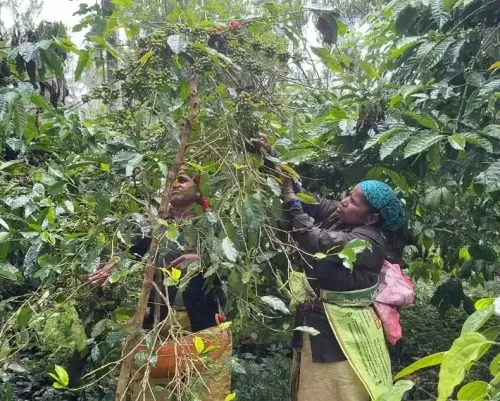
Farmers across locations including Kalasa , Mudigere , Koppa , and Kadur are cultivating avocados within existing coffee and pepper plantations.
Modi specifically named Chandrashekharan , a farmer from Kodaikanal, Tamil Nadu , who cultivated avocados on half a hectare and saw income rise sharply.
The model offers a 'one plantation, multiple income' approach without requiring additional farmland.
Rising urban demand for avocado-based food products in hotels and restaurants is a key driver of adoption.
Coffee and pepper price volatility is pushing more farmers toward avocado as a stable secondary crop.
Chikkamagaluru, Karnataka's celebrated coffee-growing hill district, is witnessing a rapid expansion in avocado farming as an intercrop alongside traditional coffee and pepper plantations — a practice that received a significant national spotlight when Prime Minister Narendra Modi highlighted it in the 137th episode of Mann Ki Baat on Sunday, 31 August. The endorsement is expected to accelerate an already-growing movement among farmers in the region who have discovered a reliable secondary income stream without needing additional farmland.
What PM Modi Said
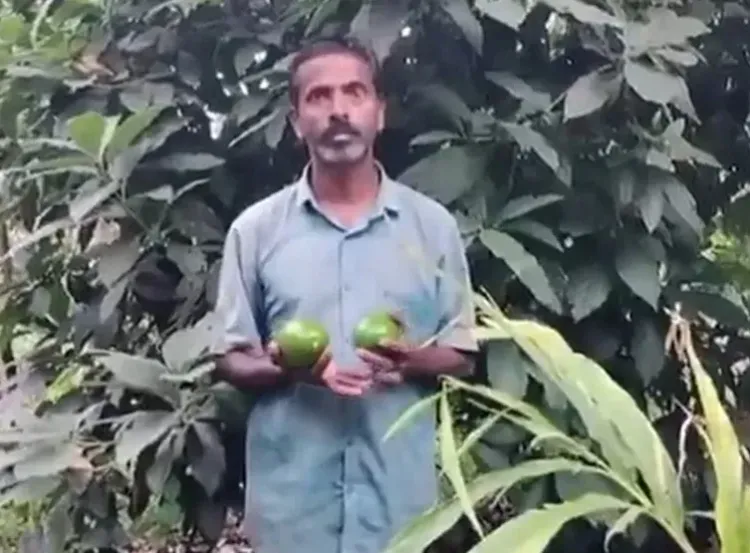
In his monthly radio address, Prime Minister Narendra Modi specifically called out the innovative intercropping model taking root in Chikkamagaluru. He also mentioned Chandrashekharan, a farmer from Kodaikanal in Tamil Nadu, who began cultivating avocados on half a hectare of land and saw his income rise sharply as a result.
'In Chikkamagaluru, Karnataka, some farmer brothers and sisters have even planted avocados amidst their coffee plantations. This allows them to earn additional income alongside coffee and black pepper,' Modi said. He added: 'We often hear about the avocado toast in city restaurants, but through this very avocado, our innovative farmers have discovered a new recipe for earning.'
The Intercrop Model Taking Root
Traditionally, Chikkamagaluru — often called the birthplace of coffee in India — has centred its agricultural economy on coffee, pepper, and spices. In recent months, however, avocado cultivation as an intercrop has gained considerable traction across multiple locations in the district, including Kalasa, Balehonnuru, Mudigere, Jayapura, N.R. Pura, Koppa, and Kadur.
The model, which farmers describe as 'one plantation, multiple sources of income', allows growers to cultivate avocados within existing coffee estates — eliminating the need for separate farmland and reducing overhead costs significantly.
Why Farmers Are Switching
According to farmers in the region, the appeal of avocado intercropping is rooted in economic stability. Coffee and pepper prices are subject to sharp market fluctuations, which can severely impact seasonal earnings. Avocado, by contrast, has offered a steadier income stream, particularly as demand for avocado-based food products has risen sharply in hotels and restaurants across urban centres.
Multiple farmers noted that the surge in urban demand — driven in part by the popularity of dishes like avocado toast in city restaurants — has made the fruit a commercially viable addition to their existing plantations. With PM Modi's public acknowledgement now adding institutional visibility to the practice, interest among farmers who had been on the fence is expected to intensify further.
Broader Significance for Indian Agriculture
This comes amid a wider national push to diversify farm income and reduce dependence on single-crop agriculture. Intercropping models that leverage existing land and infrastructure are increasingly being promoted as a sustainable path for smallholder farmers. Chikkamagaluru's avocado experiment, now carrying the weight of a prime ministerial endorsement, could serve as a replicable template for other hill districts across India with similar agro-climatic conditions.
With growing institutional attention and a proven income model already in place, Chikkamagaluru's avocado farmers appear well-positioned to scale — and the district's agricultural identity may soon extend well beyond its famous coffee.
Point of View
But the more important story is structural: Chikkamagaluru's farmers independently discovered that intercropping avocados within coffee estates hedges against the chronic price volatility that has long undermined hill-district agricultural incomes. The prime ministerial endorsement risks turning a grassroots economic innovation into a top-down narrative — the real test is whether state agricultural departments follow with extension support, market linkages, and quality certification rather than simply letting the spotlight do the work. India has a history of celebrating farm innovations in speeches without institutionalising them.
NationPress
15 Oct 2026
Frequently Asked Questions
What did PM Modi say about Chikkamagaluru in Mann Ki Baat?
In the 137th episode of Mann Ki Baat on 31 August, PM Modi praised farmers in Chikkamagaluru, Karnataka, for planting avocados alongside their coffee and pepper crops to earn additional income. He also cited Chandrashekharan, a farmer from Kodaikanal in Tamil Nadu, who cultivated avocados on half a hectare and saw his income rise sharply.
What is avocado intercropping and how does it work in Chikkamagaluru?
Avocado intercropping involves planting avocado trees within existing coffee or pepper plantations, allowing farmers to generate a second income from the same land. In Chikkamagaluru, this model — described by farmers as 'one plantation, multiple sources of income' — has gained traction across several locations including Kalasa, Mudigere, Koppa, and Kadur.
Why are Chikkamagaluru farmers adopting avocado farming?
Farmers cite two main reasons: the volatility of coffee and pepper prices, which can sharply affect seasonal earnings, and the rising urban demand for avocado-based food products in hotels and restaurants. Avocado has provided a steadier income stream without requiring additional farmland.
Which areas in Chikkamagaluru district are seeing avocado farming growth?
Avocado cultivation has expanded across multiple locations in the district, including Chikkamagaluru town, Kalasa, Balehonnuru, Mudigere, Jayapura, N.R. Pura, Koppa, and Kadur, according to reports from the region.
Could Chikkamagaluru's avocado intercropping model be replicated elsewhere in India?
Agricultural observers suggest the model could serve as a template for other hill districts with similar agro-climatic conditions, as it leverages existing plantation infrastructure without requiring separate land. However, wider replication would depend on state-level extension support, market linkages, and sustained urban demand.