Mann Ki Baat Ep 137: Modi spotlights flowers, forests and avocados as livelihood engines
Synopsis
The 137th Mann Ki Baat wasn't a policy address — it was a field report. Modi spotlighted a Nagaland flower farmer who now ships gladioli to Delhi and Mumbai, 60 Odisha women who turned forest conservation into a career, and avocado growers from Andhra Pradesh to Karnataka who are quietly disrupting India's premium produce market. Three stories, one argument: grassroots diversification is already happening.
Key Takeaways
PM Modi addressed the 137th episode of Mann Ki Baat on 30 August , highlighting livelihood transformation stories from across India.
Vesalu Puro of Phek district, Nagaland grew over 5,000 gladiolus flowers on a quarter-acre plot in her first attempt and now supplies flowers to Delhi and Mumbai .
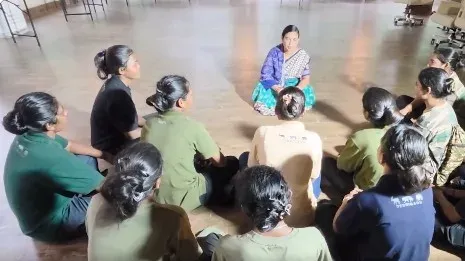
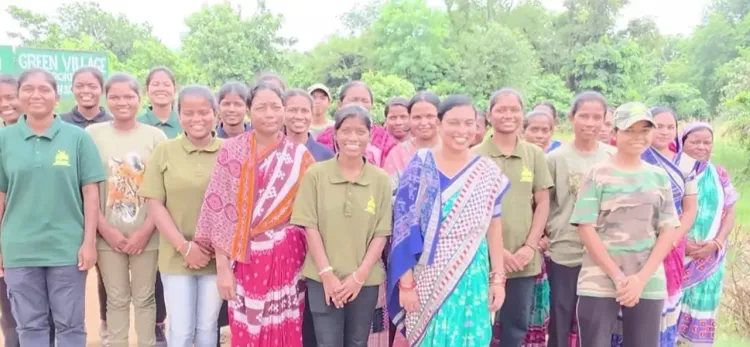
More than 60 women in Debrigarh, Odisha are now engaged in forest conservation and eco-tourism, inspired by Maithili Bhue .
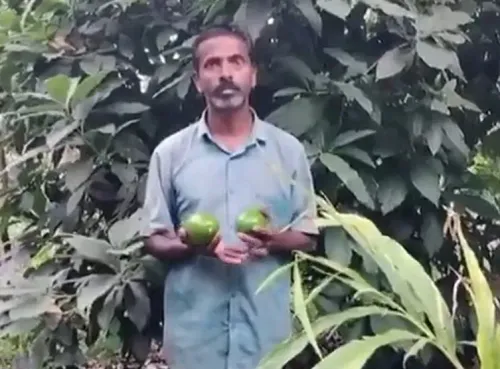
Varadaraj of Kadappa, Andhra Pradesh has produced nearly 4 tonnes of avocados, selling directly to local shops after switching from tomatoes and bananas.
Avocado intercropping in Chikkamagaluru, Karnataka is generating supplementary income for coffee and black pepper farmers.
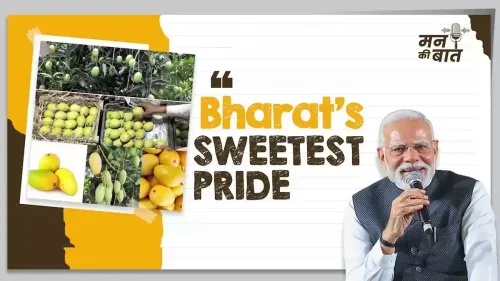
Prime Minister Narendra Modi on Sunday, 30 August used the 137th episode of his monthly radio programme 'Mann Ki Baat' to spotlight grassroots stories of economic transformation — from a flower farmer in Nagaland to eco-tourism pioneers in Odisha and avocado growers across Andhra Pradesh, Tamil Nadu, and Karnataka. The episode underscored how personal passions, forest conservation, and crop diversification are quietly reshaping rural livelihoods across India.
From Hobby to Harvest: The Nagaland Floriculture Story
Modi opened with the journey of Vesalu Puro from Phek district, Nagaland, who turned a childhood love of flowers into a commercial floriculture enterprise. In 2021, she began cultivating flowers on a small scale before receiving training in scientific flower cultivation from her local Krishi Vigyan Kendra.
'She planted thousands of gladiolus bulbs on just a quarter-acre of land. In her very first attempt, over 5,000 flowers bloomed,' Modi said. That first harvest proved to be a turning point. Flowers that once sold only in local markets are now reportedly being supplied to cities including Delhi and Mumbai.
'Vesalu Puro ji's journey demonstrates that when a passion is combined with hard work and proper guidance, it can pave the way for new possibilities,' the Prime Minister said.
Forest Conservation as a Source of Income in Odisha
Modi then turned to Maithili Bhue from the village of Dhodrokusum in the Debrigarh region of Odisha, whose daily dependence on the forest — for firewood, Mahua flowers, Kendu leaves, bamboo shoots and other produce — evolved into active conservation work after her association with Debrigarh Eco-Tourism.
'Forest conservation now became a means of livelihood for her,' Modi said, adding that Maithili's example inspired other women in the region. Today, more than 60 women are actively involved in forest conservation in the area, taking up roles in wildlife protection, grassland development, and eco-tourism activities.
'Maithili ji and these sisters from Debrigarh have demonstrated that it is possible to protect nature while also achieving prosperity in life,' he said.
Avocado Cultivation: A New Income Recipe for Indian Farmers
The Prime Minister highlighted the rapid rise of avocado farming as a premium income source. He cited Varadaraj from Kadappa, Andhra Pradesh, who pivoted from tomatoes and bananas after discovering avocado cultivation at a friend's farm. Varadaraj has since produced nearly 4 tonnes of avocados and now supplies them directly to local shops, bypassing intermediaries.
Modi also mentioned Chandrashekharan, a farmer from Kodaikanal, Tamil Nadu, who began cultivating avocados on half a hectare of land and has seen income rise as the crop commands good market prices. In Chikkamagaluru, Karnataka, farmers have intercropped avocados within existing coffee plantations, generating additional earnings alongside coffee and black pepper.
'We often hear about avocado toast in city restaurants, but through this very avocado, our innovative farmers have discovered a new recipe for earning,' Modi said.
The Broader Message
Across all three stories, Modi emphasised a common thread: individual initiative, when combined with scientific guidance and market access, can unlock income streams that were previously invisible. This comes amid a broader government push to diversify rural income beyond staple crops and to integrate forest communities into formal livelihood networks. The 137th Mann Ki Baat episode, broadcast on 30 August, reinforced that narrative through verified, ground-level examples rather than policy announcements.
The next episode of Mann Ki Baat is expected in late September, and observers will watch whether these grassroots models receive formal policy follow-through in the form of expanded Krishi Vigyan Kendra outreach or eco-tourism funding.
Point of View
And episode 137 is no exception — but the stories it chose are notably concrete. Vesalu Puro's gladiolus numbers are verifiable; the 60 Debrigarh women are a traceable community outcome; the avocado pivot is a real market trend. The question mainstream coverage rarely asks is whether these examples are representative or curated outliers. India has over 100 million farm households; a handful of success stories, however genuine, do not constitute a structural shift. The Mann Ki Baat platform could do more if it connected these individual wins to scalable policy levers — expanded Krishi Vigyan Kendra funding, direct-to-market infrastructure, or eco-tourism formalisation — rather than leaving them as inspiration without a replication roadmap.
NationPress
15 Oct 2026
Frequently Asked Questions
What were the key stories in Mann Ki Baat episode 137?
PM Modi highlighted three livelihood stories: Vesalu Puro's flower farming in Nagaland, Maithili Bhue's forest conservation work in Odisha that inspired over 60 women, and avocado cultivation by farmers in Andhra Pradesh, Tamil Nadu, and Karnataka. The episode aired on 30 August.
Who is Vesalu Puro and why did PM Modi mention her?
Vesalu Puro is a farmer from Phek district, Nagaland, who turned a passion for flowers into a commercial floriculture business. After training at a Krishi Vigyan Kendra, she grew over 5,000 gladiolus flowers on a quarter-acre plot and now supplies flowers to Delhi and Mumbai. Modi cited her as an example of passion combined with scientific guidance creating new income.
How is avocado farming helping Indian farmers?
Avocado cultivation is emerging as a premium income crop for farmers in Andhra Pradesh, Tamil Nadu, and Karnataka. Farmers like Varadaraj of Kadappa have produced around 4 tonnes and sell directly to shops, while Chikkamagaluru farmers intercrop avocados with coffee for additional earnings. Rising urban demand for avocados in health and premium markets is driving the trend.
What is the Debrigarh eco-tourism story Modi spoke about?
Maithili Bhue from Dhodrokusum village in Odisha's Debrigarh region shifted from extracting forest produce to actively conserving it after joining Debrigarh Eco-Tourism. Her transformation inspired more than 60 women in the area, who are now engaged in wildlife protection, grassland development, and eco-tourism activities as a source of livelihood.
How often does PM Modi's Mann Ki Baat air?
Mann Ki Baat is a monthly radio programme hosted by Prime Minister Narendra Modi. The 137th episode aired on 30 August; the next episode is expected in late September.