Karnataka eyes points-based driving licence system to cut Bengaluru traffic violations
Synopsis
Karnataka is weighing a points-based driving licence system that could get offenders suspended automatically once demerit points hit a set threshold — a significant shift from the current fine-and-forget enforcement model. Paired with a Sarathi-e-Challan data link, higher fines, mandatory safety training, and even vehicle blocklisting for serial violators, the proposals signal a serious, multi-agency rethink of how Bengaluru polices its roads.
Key Takeaways
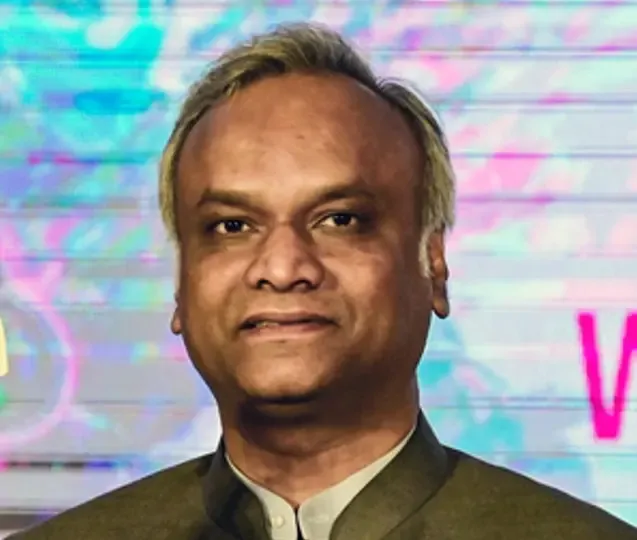
Karnataka Home Minister Priyank Kharge and Transport Minister B.
Suresh met senior officials at Vidhana Soudha on 30 September 2026 to review Bengaluru traffic reforms.
A points-based driving licence system is under consideration, with suspension triggered on crossing a demerit threshold.
Integration of the Sarathi system with Bengaluru Traffic Police's e-Challan platform would enable real-time licence verification and violation history access.
Higher fines are being weighed for parking on footpaths, wrong-way driving, and signal violations; vehicles with five or more violations could face impounding or blocklisting.
Mandatory road-safety training for repeat offenders is proposed before licence suspension or cancellation.
A 'one city, one fare' policy and measures to boost Metro first-and-last-mile connectivity were also discussed.
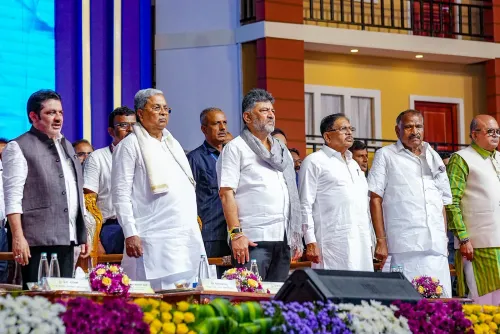
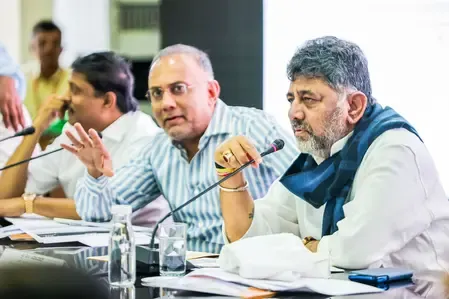
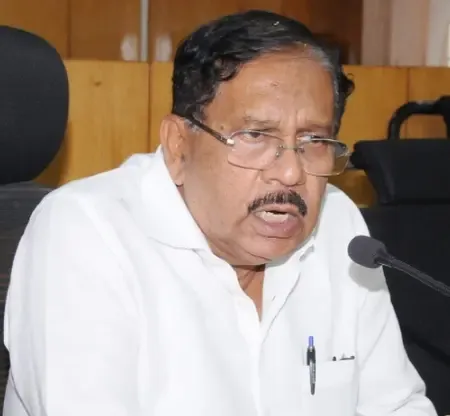
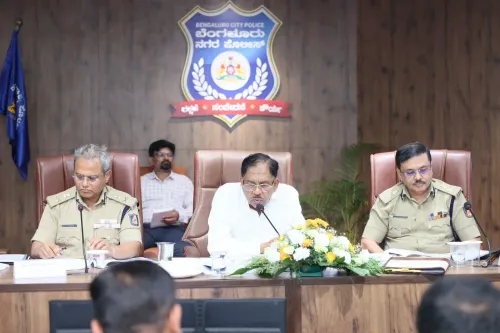
Karnataka Home Minister Priyank Kharge and Transport Minister B. Suresh convened a joint review meeting with senior officials at Vidhana Soudha on Wednesday, 30 September 2026, to deliberate on a sweeping set of measures aimed at curbing traffic congestion in Bengaluru, strengthening road safety, and enforcing stricter action against repeat violators. Central to the discussions was a proposal to introduce a points-based driving licence system — a framework under which traffic violations would carry specific demerit points, with a licence liable for suspension once a driver crosses a defined threshold.
How the Points-Based System Would Work
Under the proposed framework, each traffic offence would attract a set number of penalty points assigned to the offending driver's licence. Once the cumulative total crosses a stipulated limit, the licence would be suspended. The committee also examined the legal requirements necessary to implement such a system, signalling that statutory amendments may be required before it can be enforced.
Notably, the panel discussed integrating the Transport Department's Sarathi system with the Bengaluru Traffic Police's e-Challan platform. The linked system would allow traffic personnel to verify licence validity on the spot, access a driver's full violation history in real time, and automatically attach new offences to the driver's digital record — closing a long-standing enforcement gap.
Stiffer Fines and Action Against Repeat Offenders
The meeting also deliberated on hiking fines for violations that disrupt traffic flow and endanger public safety. Offences under review include parking on footpaths, driving the wrong way on one-way roads, driving on footpaths, unauthorised parking, parking in no-parking zones, and signal violations. Enhanced penalties for dangerous driving and repeat offences were also tabled.
For motorists with five or more registered traffic violations, the committee considered recovery of all pending fines, and where warranted, impounding or blocklisting of vehicles. Restrictions on vehicles carrying repeatedly unpaid fines — along with possible amendments to existing laws and rules — were also examined.
Mandatory Safety Training and Equipment Regulations
In a measure aimed at behavioural reform rather than mere punitive action, the panel considered mandating road-safety training for repeat offenders before their licences are suspended or cancelled. The training would cover defensive driving techniques, road-safety rules, and driver behaviour improvement.
The meeting also took up the issue of half helmets that fail to meet road-safety standards, with discussions on curbing their manufacture and sale. Action against unauthorised horns, modified silencers, and high-intensity LED lights — all identified as contributing to noise pollution and safety risks — was also on the agenda.
Broader Urban Mobility and Pollution Measures
Beyond enforcement, the meeting explored structural interventions for Bengaluru's wider mobility challenges. Officials discussed bringing low-speed battery-operated electric two-wheelers under relevant traffic regulations, including provisions on identification, rider responsibility, and road safety — a regulatory category that has so far remained largely unaddressed.
A 'one city, one fare' policy for transport and mobility services was also considered, alongside a state-level framework to promote car-sharing, ride-sharing, app-based shared mobility, and park-and-ride facilities. Strict enforcement of pollution-under-control (PUC) certificates was reviewed, including the possibility of denying renewals to vehicles with outstanding traffic fines.
The panel discussed promoting vehicle scrapping for old, highly polluting, and mechanically unfit vehicles, and reviewed measures to improve first- and last-mile connectivity to Metro stations through regulated shared auto services. A rapid-response mechanism to clear broken-down BMTC electric buses from major roads, and enhanced bus connectivity between Metro stations and technology parks during peak hours, were also part of the deliberations.
The meeting was attended by senior officials from the Home and Transport Departments, Bengaluru Traffic Police, BMTC, BMRCL, and other agencies. The proposals are at a review stage, and formal policy announcements are expected in the coming weeks as the legal and administrative groundwork is assessed.
Point of View
Demerit points are just a number in a register. The broader package — scrapping subsidies for sub-standard helmets, regulating low-speed EVs, a shared-mobility framework — suggests the government is attempting systemic reform rather than a headline fine hike. The test will be legislative speed and inter-agency coordination; Bengaluru's traffic reforms have a long history of announcement without implementation.
NationPress
30 Sept 2026
Frequently Asked Questions
What is the points-based driving licence system proposed for Karnataka?
It is a proposed framework under which each traffic violation would carry a set number of demerit points linked to a driver's licence; once cumulative points cross a defined threshold, the licence would be suspended. The Karnataka government is also examining the legal amendments required to bring the system into force.
How would the Sarathi and e-Challan integration help Bengaluru traffic enforcement?
Linking the Transport Department's Sarathi system with the Bengaluru Traffic Police's e-Challan platform would allow officers to verify a driver's licence validity on the spot, access their full violation history in real time, and automatically record new offences to the driver's digital profile. This would close a key enforcement gap where past violations are currently invisible to traffic personnel during a stop.
What action is proposed against repeat traffic offenders in Bengaluru?
Motorists with five or more registered violations could face recovery of all pending fines and, where necessary, impounding or blocklisting of their vehicles. Mandatory road-safety training — covering defensive driving and road-safety rules — is also proposed before a repeat offender's licence is suspended or cancelled.
Which traffic violations could attract higher fines under the new proposals?
The review discussed increasing fines for parking on footpaths, driving in the wrong direction on one-way roads, driving on footpaths, unauthorised parking, parking in no-parking zones, signal violations, and dangerous driving. Penalties for repeat offences are also under consideration for enhancement.
What other urban mobility measures were discussed at the Vidhana Soudha meeting?
Officials discussed a 'one city, one fare' transport policy, a state-level shared-mobility framework, PUC certificate enforcement linked to pending fines, a vehicle-scrapping push for old and polluting vehicles, and improved first-and-last-mile Metro connectivity via regulated shared autos. A rapid-response mechanism for broken-down BMTC electric buses was also reviewed.