KTR Cites RBI Report to Slam Congress Over Telangana Panchayat Funds Crash
Synopsis
BRS working president K. T. Rama Rao cited an RBI report on 21 November 2026 showing Telangana's average gram panchayat expenditure collapsed from ₹16.59 lakh in 2022-23 to ₹6.24 lakh in 2024-25, blaming the Congress government for starving rural bodies of funds.
Key Takeaways
BRS working president K.
Rama Rao posted on 21 November 2026 citing an RBI report on Panchayati Raj Institution finances.
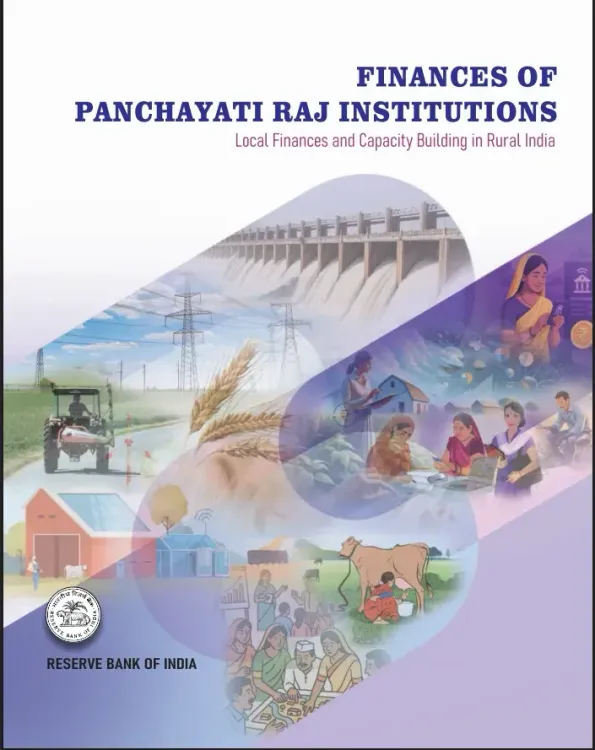
The RBI's 'Finances of Panchayati Raj Institutions' report shows Telangana gram panchayats spent an average of ₹16.59 lakh in 2022-23 (under BRS) versus ₹6.24 lakh in 2024-25 (under Congress) — a drop of over 62 per cent .
KTR accused the Congress high command, Chief Minister Revanth Reddy , ministers, and MLAs of diverting public taxes and borrowed funds away from development.
The attack is framed around institutional data rather than political rhetoric, using a central bank publication as the primary source.
BRS has been in opposition since the Congress won Telangana in December 2023 , ending a decade of KCR-led rule.
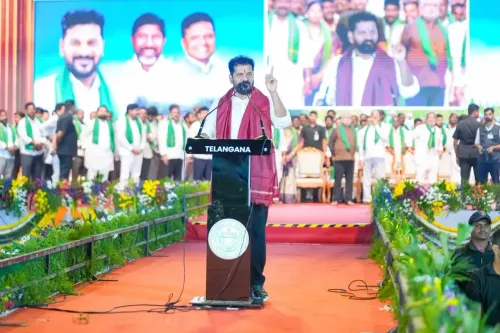
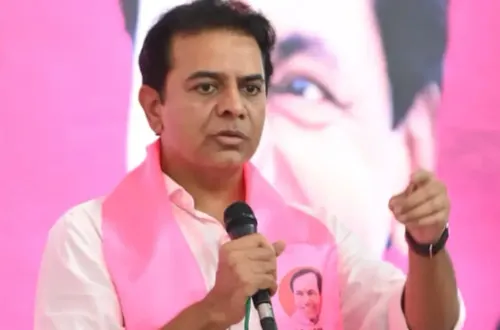
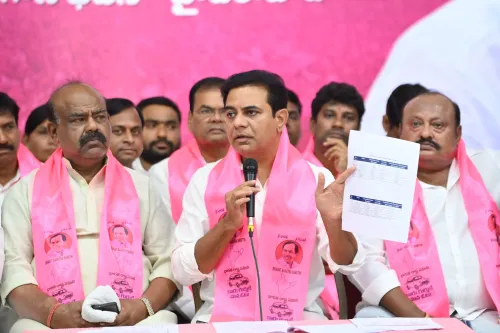
A Reserve Bank of India report has handed BRS working president K. T. Rama Rao a data-backed salvo against the Telangana government — and on Saturday, 21 November 2026, he fired it at full volume on X, citing figures that show average gram panchayat expenditure in the state has collapsed by more than 62 per cent since the Congress came to power.
Posting in Telugu under the hashtag #CongressFailedTelangana, KTR quoted the RBI's report titled 'Finances of Panchayati Raj Institutions,' which states that Telangana gram panchayats spent an average of ₹16.59 lakh per unit in 2022-23 — the final full year of BRS rule — against just ₹6.24 lakh per unit in 2024-25, under the current Congress administration led by Chief Minister Revanth Reddy. That is not an allegation. That is a central bank data point.
What the RBI's Panchayati Raj Report Actually Says
The RBI periodically publishes its 'Finances of Panchayati Raj Institutions' study as part of its broader subnational fiscal surveillance. KTR is pointing to Telangana-specific figures in that document to argue that the village-level development machinery has been effectively starved of funds. The ₹10.35 lakh per-panchayat gap between the two financial years represents the sharpest end of a wider argument BRS has been pressing: that the Congress government's fiscal priorities have bypassed rural infrastructure.
KTR's post puts it bluntly — 'ప్రజలు కట్టిన పన్నులు... కాంగ్రెస్ హై కమాండ్, రేవంత్ రెడ్డి, మంత్రులు, కాంగ్రెస్ ఎమ్మెల్యేలు బొక్కేస్తుంటే' — 'the taxes paid by the people, the crores borrowed in loans, all being pocketed by the Congress high command, Revanth Reddy, ministers, and Congress MLAs — where is the money left for development and welfare?'
The Political Stakes Behind the Numbers
The Congress swept Telangana in December 2023, ending the decade-long rule of the BRS under former Chief Minister K. Chandrashekar Rao (KCR). Since then, BRS has been searching for a narrative strong enough to mount a credible opposition — and rural fund flow data offers harder terrain than rhetorical salvos alone.
KTR, who served as Telangana's Minister for IT, Industries, and Municipal Administration under KCR, has increasingly anchored his attacks on institutional data rather than political assertion. Invoking an RBI publication — a source the Congress cannot easily dismiss — is a deliberate tactical choice. His post draws a straight line: falling panchayat expenditure means falling roads, water supply, sanitation, and street lights in Telangana's nearly 12,769 gram panchayats.
Closing with 'from village to town, there is no development anywhere under Revanth Reddy's rule — what is happening is only destruction,' KTR frames the RBI figure not as an audit footnote but as a verdict on governance itself.
Point of View
If accurate, points to a structural redirection of fiscal flows away from the third tier of government, a pattern that has national resonance given India's post-Fourteenth Finance Commission push for panchayat empowerment. For the Congress government, the challenge is not just to rebut the figures but to explain what actually happened to devolved funds — a question that will grow louder as local body elections approach. The episode also illustrates how opposition parties across India are increasingly weaponising subnational data from independent institutions to frame governance narratives.
NationPress
21 Nov 2026
Frequently Asked Questions
What did the RBI report say about Telangana panchayat funds?
The RBI's 'Finances of Panchayati Raj Institutions' report cited by KTR states that Telangana gram panchayats spent an average of ₹16.59 lakh per unit in 2022-23, which fell sharply to ₹6.24 lakh per unit in 2024-25 under the Congress government.
Why is KTR attacking the Telangana Congress government over panchayat funds?
KTR argues that falling panchayat expenditure proves the Congress government is not channelling taxes or borrowed funds into rural development, but instead benefiting its own leaders and MLAs — a charge the Congress has not yet formally rebutted.
What is the BRS and what is KTR's role in it?
The Bharat Rashtra Samithi (BRS) is a Telangana-based regional party founded by former Chief Minister K. Chandrashekar Rao. K. T. Rama Rao is KCR's son and the party's working president; he served as Minister for IT, Industries, and Municipal Administration during BRS rule.
When did Congress come to power in Telangana?
The Congress party won the Telangana Legislative Assembly elections in December 2023, ending over a decade of BRS rule under Chief Minister K. Chandrashekar Rao.
How many gram panchayats are there in Telangana?
Telangana has approximately 12,769 gram panchayats, making the per-unit expenditure figures cited in the RBI report significant in terms of aggregate impact on rural infrastructure and services.