Kulgam terror attack: J&K L-G orders high-impact anti-terror ops after 2 labourers killed
Synopsis
Two Chhattisgarh migrant labourers shot dead at a brick kiln in Kulgam — and the political and security machinery moved swiftly. J&K L-G Manoj Sinha called an emergency security meeting, ordered intensified anti-terror operations, and mandated registration of all non-local workers with police. The attack fits a disturbing pattern of militants targeting migrant labour to signal that Kashmir's economic normalcy is still contested.
Key Takeaways
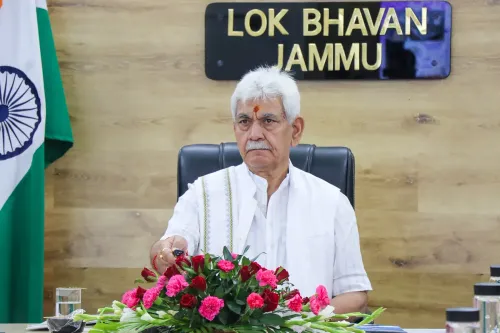
J&K L-G Manoj Sinha chaired a high-level security meeting on 1 August and ordered intensified anti-terror operations following the Kulgam attack .
Two migrant labourers from Chhattisgarh — Deepak Rattray (24) and Bopinder (28) — were killed at a brick kiln in Kellam village, Kulgam district .
All Deputy Commissioners and SSPs were directed to review SoPs for protecting non-local labourers and ensure mandatory registration with police.
CM Omar Abdullah announced ₹10 lakh ex gratia to the next of kin of each victim from the Chief Minister's Relief Fund.
Rahul Gandhi called the attack 'extremely tragic'; BJP accused Pakistan of sponsoring the violence to destabilise J&K.
Security arrangements for the ongoing Shri Amarnathji Yatra were also reviewed at the meeting.
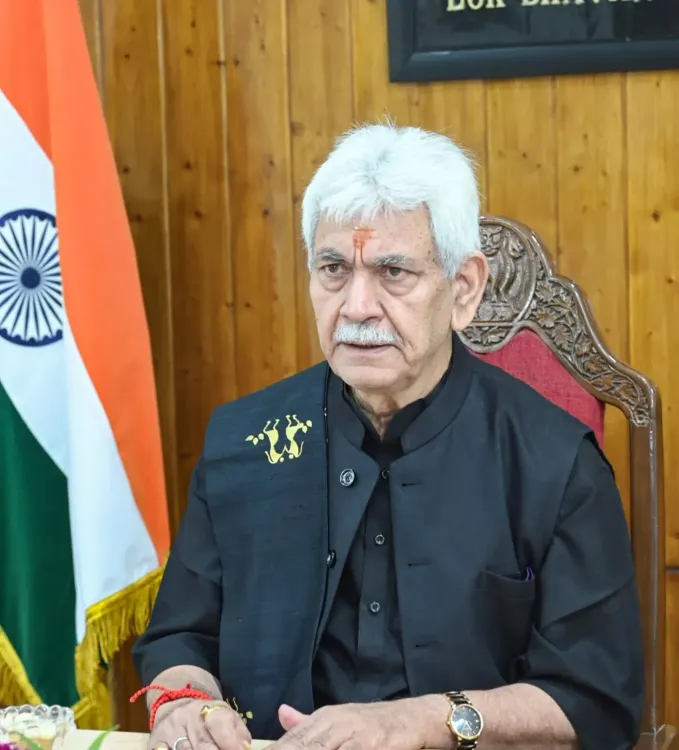
J&K Lieutenant Governor Manoj Sinha on Saturday, 1 August chaired a high-level security meeting in Srinagar and directed intensified, high-impact anti-terror operations to neutralise terrorists following the Kulgam attack that claimed the lives of two non-local migrant labourers from Chhattisgarh. The meeting came a day after gunmen struck Kellam village in Kulgam district, triggering a sharp political and security response across the Union Territory.
What the Security Meeting Decided
Lieutenant Governor Sinha directed all Deputy Commissioners and Senior Superintendents of Police (SSPs) to conduct a comprehensive review of Standard Operating Procedures (SoPs) in place to protect labourers who have migrated from outside Jammu and Kashmir. He also instructed employers to ensure that workers from other states are covered by insurance and that their details are mandatorily registered with local police and district authorities.
Sinha further ordered officials to facilitate dignified last rites for the two victims and provide full support to their bereaved families. The meeting additionally reviewed security arrangements for the ongoing Shri Amarnathji Yatra and assessed steps to strengthen the broader security grid across the region.
The Victims: Two Chhattisgarh Labourers
The death toll in the Kulgam attack rose to two on Saturday morning after the second injured labourer succumbed to critical injuries at a Srinagar hospital. The deceased have been identified as Deepak Rattray (24), son of Uma Shankar, and Bopinder (28), son of Dasrar — both residents of Chhattisgarh who were employed at a brick kiln in Kellam village. The attack occurred on Friday, with the second fatality confirmed the following morning.
This is the latest in a series of targeted strikes on migrant workers in the Kashmir Valley, a pattern that security analysts say is designed to intimidate the non-local labour force and undermine the region's economic recovery.
Political Condemnation and Relief Announced
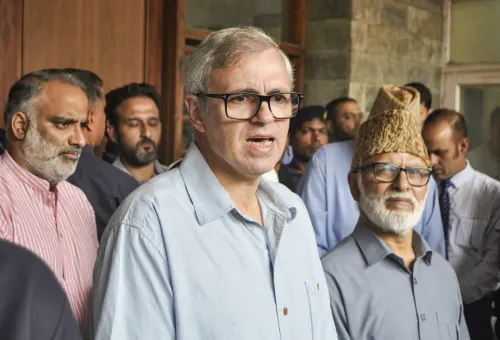
J&K Chief Minister Omar Abdullah strongly condemned the attack and announced an ex gratia relief of ₹10 lakh each to the next of kin of both victims, sanctioned from the Chief Minister's Relief Fund.
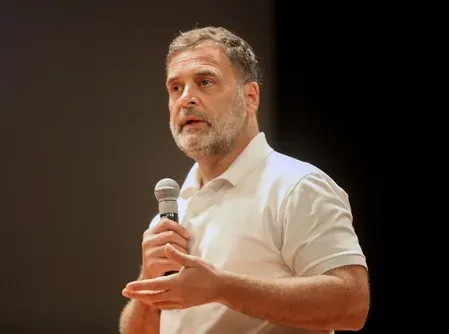
Leader of the Opposition in the Lok Sabha, Rahul Gandhi, described the incident as 'extremely tragic' and called for the strictest possible action against those responsible.
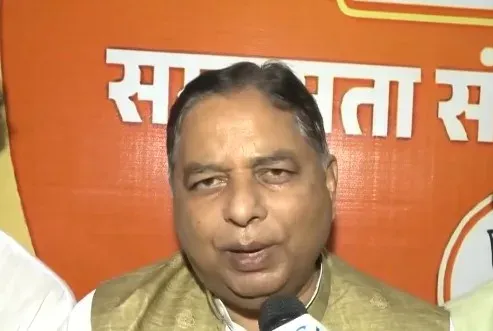
The Jammu and Kashmir unit of the Bharatiya Janata Party (BJP) also condemned the attack, directly accusing Pakistan of attempting to disrupt peace and economic progress in the Union Territory. J&K BJP President Sat Sharma said Pakistan was trying to derail the improving situation in the region. 'Pakistan does not want peace to prevail in Jammu and Kashmir in any way, especially in Kashmir, where the economic situation has improved. Pakistan believes that if its own people are suffering from hunger, a similar atmosphere should exist in Jammu and Kashmir as well,' Sharma said.
Broader Security Context
The attack on migrant workers is particularly sensitive given the Union Territory's efforts to attract outside investment and labour following the revocation of Article 370 in 2019. Migrant labourers, many from states like Chhattisgarh, Bihar, and Uttar Pradesh, have become a visible part of Kashmir's construction and agricultural economy — and, critics argue, a soft target for militants seeking to signal that normalcy remains fragile.
Security forces have been placed on heightened alert, and further counter-terror operations are expected in Kulgam and surrounding districts in the coming days.
Point of View
Thereby strangling the informal labour economy that has quietly underpinned the region's post-Article 370 recovery. The L-G's directive to register non-local workers with police is a necessary step, but it also underscores how exposed this population remains years after the Centre declared normalcy. The political consensus — BJP, Congress, and the ruling NC all condemning the attack — is notable, but consensus statements do not substitute for accountability on intelligence failures. The harder question is why brick kilns employing vulnerable migrant workers remain soft targets despite a supposedly reinforced security grid.
NationPress
16 Sept 2026
Frequently Asked Questions
What happened in the Kulgam attack?
Gunmen attacked migrant labourers at a brick kiln in Kellam village, Kulgam district, on Friday. Two workers from Chhattisgarh — Deepak Rattray, 24, and Bopinder, 28 — were killed, with the second victim succumbing to injuries at a Srinagar hospital on Saturday morning.
What action did J&K L-G Manoj Sinha order after the Kulgam attack?
L-G Sinha chaired a high-level security meeting on 1 August and directed intensified, high-impact anti-terror operations to neutralise militants. He also ordered a review of SoPs for protecting non-local labourers and mandated that employers register workers' details with local police and district authorities.
What relief has been announced for the Kulgam attack victims' families?
J&K Chief Minister Omar Abdullah announced an ex gratia payment of ₹10 lakh each to the next of kin of both victims, sanctioned from the Chief Minister's Relief Fund.
Who are the victims of the Kulgam attack?
The victims are Deepak Rattray (24), son of Uma Shankar, and Bopinder (28), son of Dasrar — both residents of Chhattisgarh who were working as migrant labourers at a brick kiln in Kellam village, Kulgam district.
How does the Kulgam attack affect the Amarnath Yatra?
The high-level security meeting chaired by L-G Sinha also reviewed security arrangements for the ongoing Shri Amarnathji Yatra and assessed measures to strengthen the security grid across Jammu and Kashmir, indicating heightened vigilance in the region.