Kuruvai paddy cultivation in doubt as Vaigai, Mullaiperiyar levels stay low
Synopsis
With nearly three weeks of the Kuruvai season gone and 45,000 acres earmarked for paddy in Madurai, Tamil Nadu farmers have yet to sow a single row — held back by low Vaigai and Mullaiperiyar storage. The southwest monsoon's next move will decide whether this season is salvaged or lost.
Key Takeaways
45,000 acres across Sholavandan , Vadipatti , and Kallandhiri blocks have been identified for Kuruvai paddy cultivation in Madurai this season.
Farmers have not commenced large-scale cultivation despite the season opening in early June , citing insufficient water assurance from the Vaigai and Mullaiperiyar reservoirs.
The Vaigai dam level rose from 21.29 feet on 1 June to 28.08 feet by 17 June , according to WRD data.
Farmer leader Kurunji Kumaran warned that absent water assurance, farmers will not invest in land preparation or seeds.
The southwest monsoon 's performance over the coming weeks will be decisive for the season's viability.
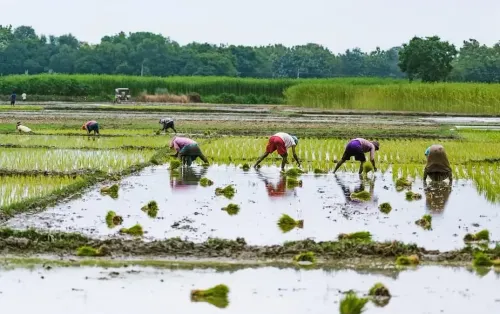
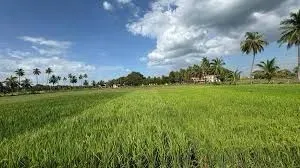
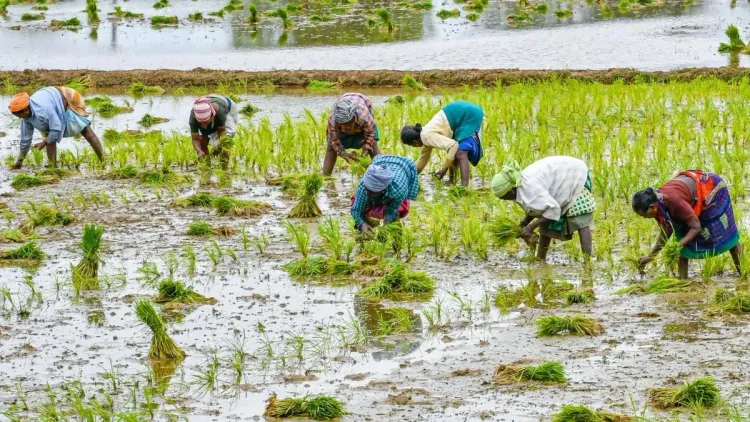
Farmers in Madurai district, Tamil Nadu, face mounting uncertainty over Kuruvai paddy cultivation this season, with water storage in the Vaigai and Mullaiperiyar reservoirs remaining insufficient to assure irrigation across the identified sowing area. With nearly three weeks of the June-to-September cultivation window already elapsed, large-scale field operations have yet to begin.
Scale of the Concern
The Agriculture Department has earmarked approximately 45,000 acres across the Sholavandan, Vadipatti, and Kallandhiri blocks for Kuruvai paddy this season. Despite the sowing period having opened earlier this month, farmers have held back on land preparation, seed procurement, and other inputs, citing the absence of any firm assurance on water release for the full crop cycle.
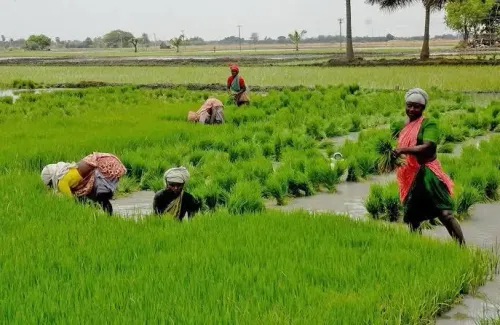
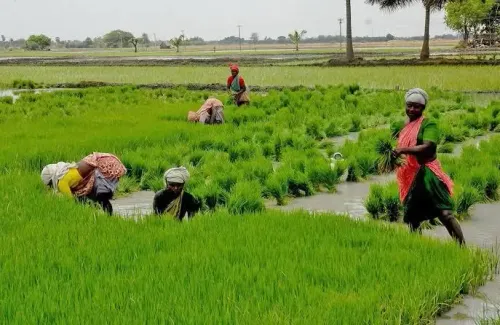
Kuruvai is a short-duration paddy variety cultivated between June and September, making it heavily reliant on timely reservoir releases. Any further delay in commencing cultivation risks compressing the growing window and undermining seasonal productivity.
What Farmers Are Saying
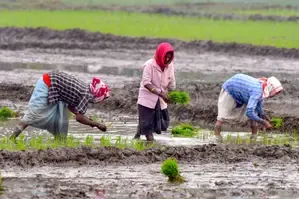
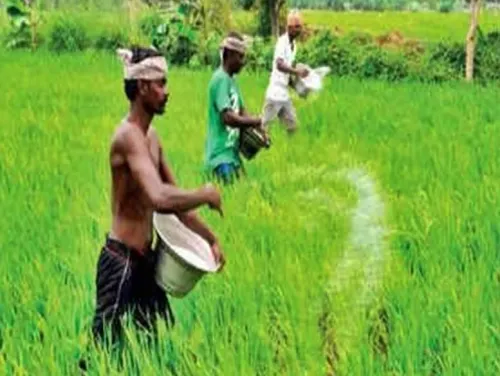
Farmer leader Kurunji Kumaran said the hesitation is rooted in practical economics. “Kuruvai cultivation generally begins in June and continues until September. Although nearly three weeks of the season have passed, farmers have not started cultivation because there is no assurance of adequate irrigation water,” he said. He added that many cultivators are unwilling to commit expenditure on land preparation and seeds without clarity on water availability for the entire crop cycle.
Farmers across the district are closely monitoring reservoir levels and rainfall patterns before making a final call on whether to proceed this season.
Reservoir Levels and Recent Inflows
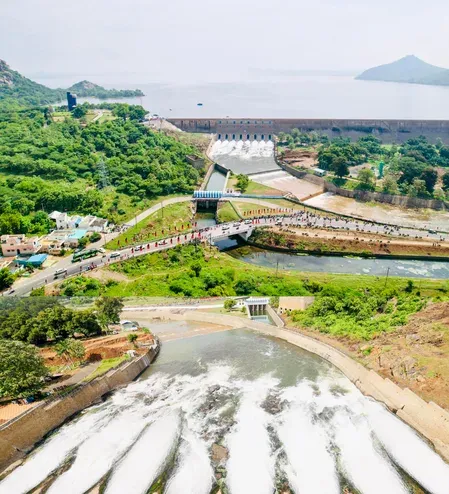
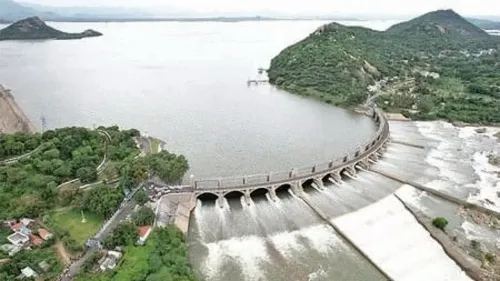
According to Water Resources Department (WRD) data, the water level in the Vaigai dam rose from 21.29 feet on 1 June to 28.08 feet by 17 June, following sustained rainfall in the catchment region. WRD officials expressed cautious optimism, noting that continued precipitation over the coming weeks could further raise storage and improve irrigation prospects.
However, officials acknowledged that until reservoir storage reaches levels considered adequate for assured water release, farmers are unlikely to commit to cultivation at scale. The Mullaiperiyar reservoir, which also feeds irrigation in the region, remains a key variable in the equation.
What Happens Next
The fate of this year's Kuruvai crop in Madurai will largely hinge on the performance of the southwest monsoon and the resulting inflows into both reservoirs over the next few weeks. A prolonged shortfall could force many farmers to skip the season entirely, with knock-on effects on local agricultural output and rural incomes. Officials remain watchful, with any significant improvement in catchment rainfall likely to trigger a reassessment of water release schedules.
Point of View
000 acres and the livelihoods tied to them hang on reservoir levels that remain hostage to an increasingly erratic monsoon. The Vaigai dam's rise from 21.29 to 28.08 feet is encouraging but nowhere near the threshold farmers need for confidence. More structurally, the continued dependence on a single seasonal window and two major reservoirs, without adequate groundwater or micro-irrigation backup, leaves Madurai's farming community perpetually one dry fortnight away from a lost season.
NationPress
19 Sept 2026
Frequently Asked Questions
What is Kuruvai cultivation and why is it significant in Madurai?
Kuruvai is a short-duration paddy crop cultivated between June and September in Tamil Nadu, heavily dependent on reservoir water releases. In Madurai district, around 45,000 acres across Sholavandan, Vadipatti, and Kallandhiri blocks are earmarked for it each season, making it a critical source of agricultural income for local farmers.
Why have Madurai farmers not started Kuruvai cultivation this year?
Farmers have not begun cultivation because water storage in the Vaigai and Mullaiperiyar reservoirs remains insufficient to assure irrigation for the full crop cycle. Without that assurance, farmers are unwilling to invest in land preparation, seeds, and other inputs.
What is the current water level in the Vaigai dam?
According to Water Resources Department data, the Vaigai dam level rose from 21.29 feet on 1 June to 28.08 feet by 17 June 2025, following sustained catchment rainfall. Officials say continued monsoon rainfall could raise it further, but it has not yet reached the level needed for assured releases.
How does a delay in Kuruvai sowing affect farmers?
A prolonged delay compresses the cultivation window, reducing the time available for the crop to mature before September. This can lower yields and overall seasonal productivity, directly affecting farm incomes across the district.
What will determine whether Kuruvai cultivation proceeds this season?
The performance of the southwest monsoon over the coming weeks is the decisive factor. Sufficient rainfall in the catchment areas feeding the Vaigai and Mullaiperiyar reservoirs would raise storage to levels that allow assured water releases, giving farmers the confidence to begin sowing.