Ladakh LG Saxena bans single-use plastic, empowers field officials to issue challans
Synopsis
Ladakh's LG has handed challan power to forest guards and tehsildars — a ground-level enforcement shift that goes beyond the usual top-down plastic ban. With Leh Airport and border points now under random inspection, the administration is targeting supply as well as use. The move dovetails with longstanding ecological demands from the Leh Apex Body and Kargil Democratic Alliance, even as their bigger constitutional asks remain unaddressed.
Key Takeaways
LG Vinai Kumar Saxena ordered a ban on single-use plastic sale and use across Ladakh on 19 June .
Field officials including BDOs, Tehsildars, Forest Guards, and Municipal Officers have been empowered to detect violations and issue challans.
Random inspections ordered at Leh Airport and border and entry points to prevent inflow of prohibited plastic items.
Hefty penalties prescribed for littering and single-use plastic violations.
The ban aligns with ecological preservation demands raised by the Leh Apex Body (LAB) and the Kargil Democratic Alliance (KDA) .
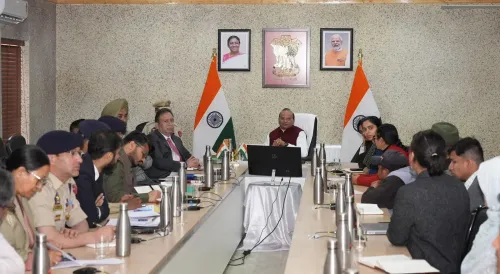
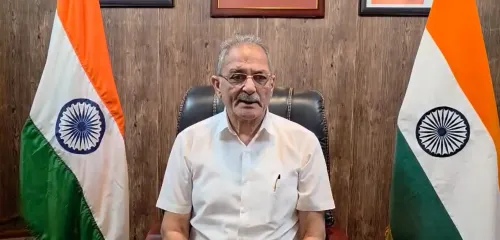
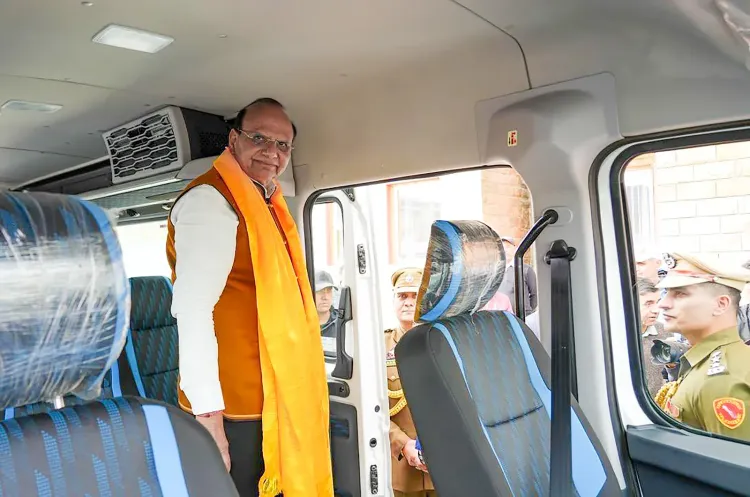
Ladakh Lieutenant Governor Vinai Kumar Saxena on Friday, 19 June ordered a comprehensive ban on the sale and use of single-use plastic across the Union Territory, alongside a strict crackdown on littering and plastic-related violations. The move marks one of the most assertive environmental enforcement actions the Ladakh administration has undertaken in recent years.
What the Ban Covers
The order prohibits the use and sale of single-use plastic items throughout Ladakh, with hefty penalties prescribed for violations and littering. In a significant structural shift, field-level officials — including Block Development Officers (BDOs), Tehsildars, Municipal Officers, Foresters, and Forest Guards — have been formally empowered to detect violations and issue challans on the spot. Previously, such enforcement authority was not delegated to ground-level functionaries at this scale.
Border Points and Airport Under Scanner
The administration has directed random inspections at Leh Airport and at multiple border and entry points across Ladakh to intercept prohibited plastic items before they enter the region's circulation. This preventive layer is aimed at cutting off supply at the source, not merely penalising end-use.
Why Ladakh's Ecology Is at Stake
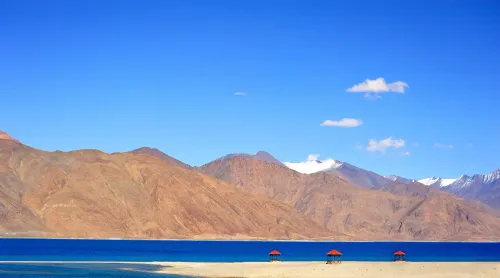
Ladakh's high-altitude terrain is classified as ecologically sensitive, with limited natural capacity to absorb or decompose plastic waste. The region draws a substantial annual influx of tourists, which has intensified pressure on its fragile landscapes. LG Saxena stated that Ladakh's natural environment is its 'greatest strength' and emphasised that tourism growth must proceed alongside environmental responsibility — a framing that signals the administration views the ban as an economic safeguard, not merely a regulatory measure.
Political Context: LAB and KDA Demands
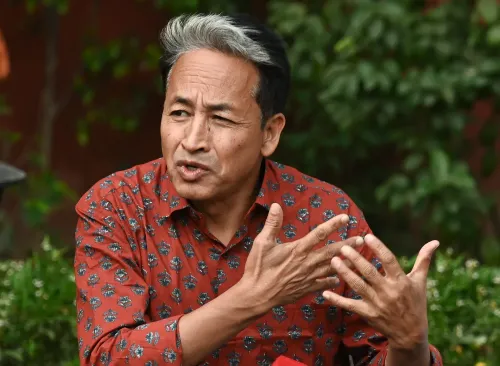
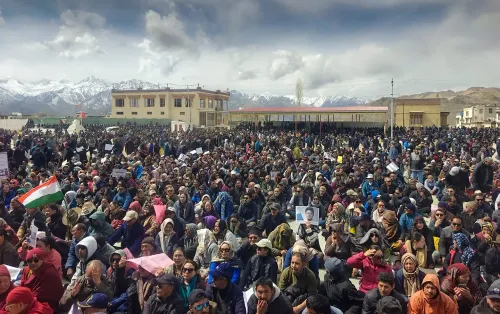
The ban also arrives against a backdrop of sustained political demands from Ladakh's two principal representative bodies — the Leh Apex Body (LAB) and the Kargil Democratic Alliance (KDA). Both organisations have consistently cited the preservation of Ladakh's ecology, environment, and cultural heritage as a core demand, alongside calls for inclusion in the Sixth Schedule of the Constitution and the restoration of statehood. While the plastic ban does not address those constitutional demands directly, it signals administrative responsiveness to at least one dimension of their concerns.
What Happens Next
The administration has been directed to implement strict enforcement measures to ensure compliance. With challaning authority now extended to field officials, the effectiveness of the ban will depend on consistent ground-level action rather than top-down directives alone. Environmental groups and tourism stakeholders are expected to watch implementation closely in the coming weeks.
Point of View
Or whether this becomes another paper directive, is the question that matters. The political subtext is also worth noting: the Leh Apex Body and Kargil Democratic Alliance have been pressing hard on ecology alongside their constitutional demands, and this ban is the administration's most visible response to that pressure — without touching the statehood or Sixth Schedule questions that remain the deeper flashpoints.
NationPress
19 Sept 2026
Frequently Asked Questions
What has Ladakh LG Vinai Kumar Saxena ordered regarding single-use plastic?
LG Saxena has ordered a comprehensive ban on the sale and use of single-use plastic across Ladakh, along with a strict crackdown on littering and plastic-related violations. Hefty penalties will be imposed for non-compliance.
Who has been empowered to enforce the plastic ban in Ladakh?
Field-level officials including Block Development Officers, Tehsildars, Municipal Officers, Foresters, and Forest Guards have been authorised to detect violations and issue challans on the spot — a significant departure from previous enforcement practice.
Why is a plastic ban particularly important for Ladakh?
Ladakh's high-altitude ecosystem is ecologically fragile and receives a large annual influx of tourists, which has increased plastic waste pressure on its landscapes. The administration has described the region's natural environment as its 'greatest strength' and a pillar of its tourism-driven economy.
What inspections have been ordered at Leh Airport and border points?
The administration has directed random inspections at Leh Airport and various border and entry points across Ladakh to prevent prohibited plastic items from entering the region's circulation in the first place.
How does this ban relate to the demands of the Leh Apex Body and Kargil Democratic Alliance?
Both the Leh Apex Body (LAB) and the Kargil Democratic Alliance (KDA) have long demanded protection of Ladakh's ecology and environment, alongside constitutional demands such as inclusion in the Sixth Schedule and statehood. The plastic ban addresses the ecological dimension of those demands, though the constitutional issues remain unresolved.