Ladakh L-G Saxena chairs drug abuse review, orders crackdown and rehab push
Synopsis
Ladakh's L-G V.K. Saxena has put the union territory's growing drug problem squarely on the policy agenda — ordering vehicle searches at Zoji La and Sarchu, a dedicated '112' helpline, and a first-of-its-kind MoU for meditation-based psychiatric rehabilitation. For a region historically free of this menace, the intervention marks a significant turning point.
Key Takeaways
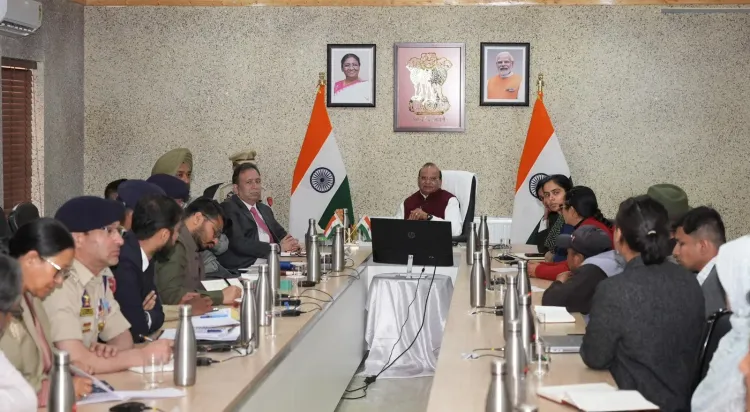
Saxena chaired a drug abuse review meeting in Leh on 27 May 2025 , attended by officials, medical experts, and civil society.
Authorities ordered a massive crackdown on drug cartels, random vehicle checks, and strict vigil at Zoji La and Sarchu entry points. '112' will be established as an integrated helpline for drug-affected families and patients, with dedicated transport and rehabilitation support.
An MoU with Mahabodhi Karuna Charitable Hospital will introduce meditation and retreat-based healing under psychiatric supervision.
Ladakh, historically free of drug abuse, has seen reports of the problem emerging in certain pockets over the past few years.
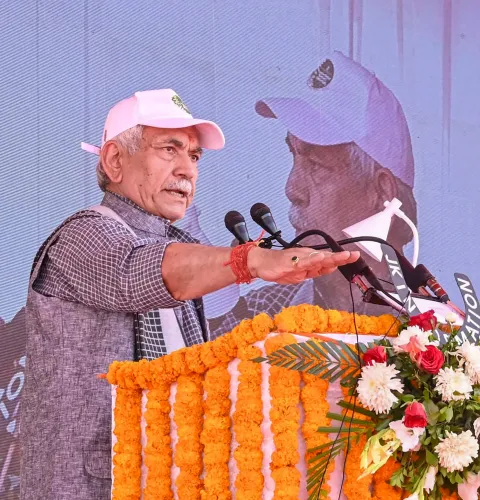
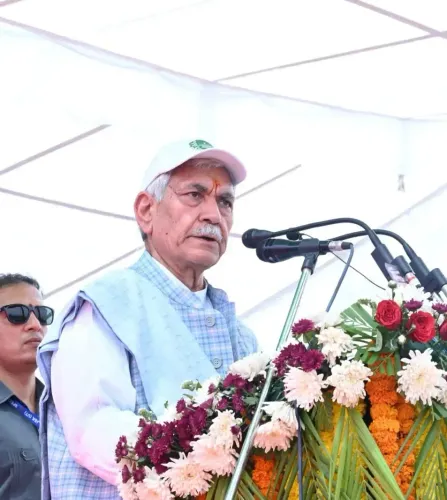
Ladakh Lieutenant Governor V.K. Saxena on Wednesday, 27 May chaired a comprehensive review meeting in Leh to evaluate the scale of drug abuse across the union territory and chart a course of remedial action. The meeting brought together senior government officials, medical experts, civil society representatives, religious organisations, and NGOs to collectively assess the situation.
Key Directives from the Review Meeting
L-G Saxena announced a series of proactive measures following the review. These include a massive crackdown targeting drug cartels operating in the region, random searches of vehicles — including local taxis — and heightened vigil at key entry points such as Zoji La and Sarchu. Surveillance is also to be intensified around hotspots including schools, colleges, and tourist areas.
Helpline and Rehabilitation Framework
Among the most significant announcements is the establishment of '112' as an integrated emergency helpline for affected families and patients, backed by a dedicated team responsible for transport and rehabilitation through coordinated care. An MoU is set to be signed with Mahabodhi Karuna Charitable Hospital to introduce meditation and retreat-based healing sessions under psychiatric supervision, adding a holistic dimension to the rehabilitation ecosystem.
What the L-G Said
Saxena, posting on X, said: 'Amid growing concerns around drug abuse in Ladakh, today chaired a comprehensive review meeting with senior govt officials, medical experts, civil society, religious organisations and NGOs, to assess the situation and remedial measures to curb this menace.' He further emphasised that 'besides action against drug traffickers, focus must be given on counselling, treatment and rehabilitation of the victims, with a human approach. We must act collectively, to build a drug-free Ladakh.'
A Region at a Crossroads
Ladakh has historically been regarded as largely insulated from the drug menace that plagues other parts of India. However, reports over the past several years indicate that drug abuse has begun surfacing in certain pockets of the union territory. The region's geographical barriers — once considered a natural deterrent — have proven insufficient to fully shield its youth from wider national trends. Police have already stepped up surveillance to intercept the entry of psychotropic substances into the region.
What Happens Next
The administration's dual-track approach — combining law enforcement crackdowns with community-based rehabilitation — signals a shift toward a more holistic policy response. With Ladakh remaining one of India's most visited tourist destinations, the stakes extend beyond public health: unchecked drug abuse risks undermining the region's identity as a place of solace and spiritual retreat. Authorities are expected to operationalise the helpline and finalise the hospital MoU in the coming weeks.
Point of View
It could offer a replicable model for other geographically isolated regions. The harder question is whether a crackdown at entry points like Zoji La is sufficient when demand-side drivers — unemployment, isolation, and the psychological pressures of rapid tourism-driven change — remain unaddressed. Enforcement without sustained community investment has a poor track record.
NationPress
20 Sept 2026
Frequently Asked Questions
Why did Ladakh's L-G hold a drug abuse review meeting?
L-G V.K. Saxena convened the meeting on 27 May 2025 in response to growing reports of drug abuse in parts of Ladakh, a region historically considered largely free of the problem. The meeting aimed to assess the situation and coordinate a multi-agency response involving officials, medical experts, and civil society.
What measures has the Ladakh administration announced to tackle drug abuse?
The administration has announced a crackdown on drug cartels, random vehicle searches including local taxis, and heightened surveillance at entry points like Zoji La and Sarchu. It also plans to establish '112' as an integrated helpline and sign an MoU with Mahabodhi Karuna Charitable Hospital for meditation-based rehabilitation under psychiatric supervision.
What is the '112' helpline announced for Ladakh?
'112' will function as an integrated emergency helpline for families and patients affected by drug abuse in Ladakh. A dedicated team will coordinate transport and rehabilitation services through this single point of contact.
How serious is the drug problem in Ladakh?
Ladakh has historically been largely free of drug abuse, but reports over the past several years indicate that the problem has begun emerging in certain pockets of the union territory. The administration has described the drug menace as a 'grave threat to youth and society.'
Who attended the drug abuse review meeting chaired by L-G Saxena?
The meeting was attended by senior government officials, medical experts, civil society representatives, religious organisations, and NGOs from across the union territory.