CM Office: Lakhpati Didis share success at Sushasan Tihar
Synopsis
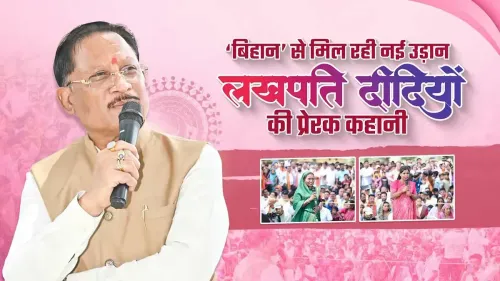
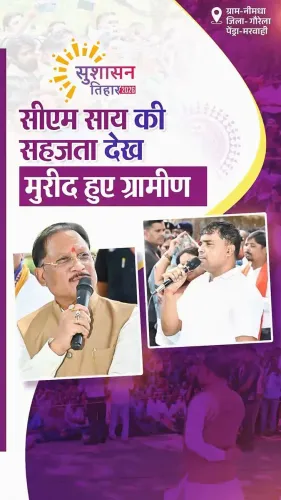
At Sushasan Tihar 2026 in Gram Nimdha, Gaurela-Pendra-Marwahi, Lakhpati Didis from self-help groups shared stories of financial self-reliance. The Chhattisgarh CMO called their smiles a symbol of the state government's governance policies bearing fruit under the DAY-NRLM framework.
Key Takeaways
The Chief Minister's Office of Chhattisgarh posted on June 6, 2026 about Lakhpati Didis sharing success stories at Sushasan Tihar 2026 .
The event was held at Gram Nimdha in Gaurela-Pendra-Marwahi district , one of Chhattisgarh's 33 districts formed in 2019 .
Lakhpati Didis are rural women who have crossed the one-lakh-rupee annual income threshold through self-help group participation.
The programme operates under the Deendayal Antyodaya Yojana–National Rural Livelihoods Mission , a central scheme launched in 2011 .
Sushasan Tihar is an annual Chhattisgarh government initiative to showcase welfare delivery outcomes at the village level.
District-level data on total Lakhpati Didis added in 2025–26 is awaited in upcoming state economic reports.
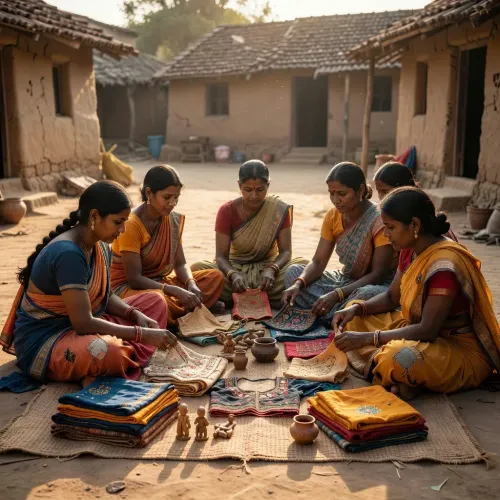
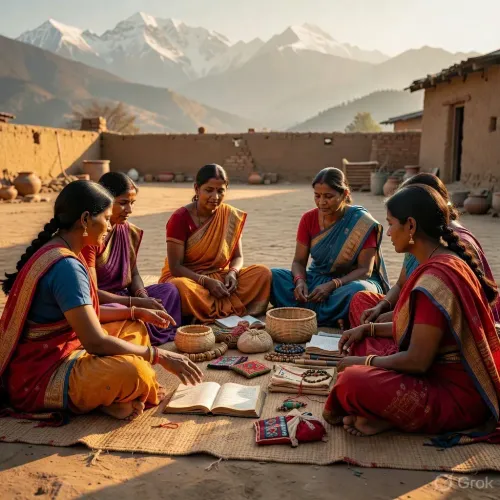
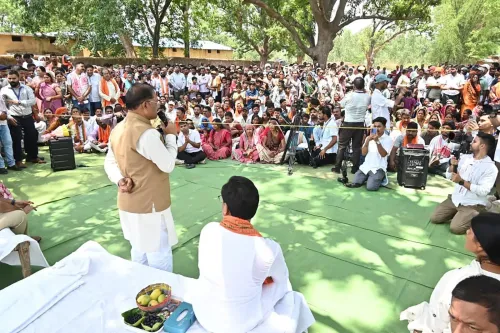
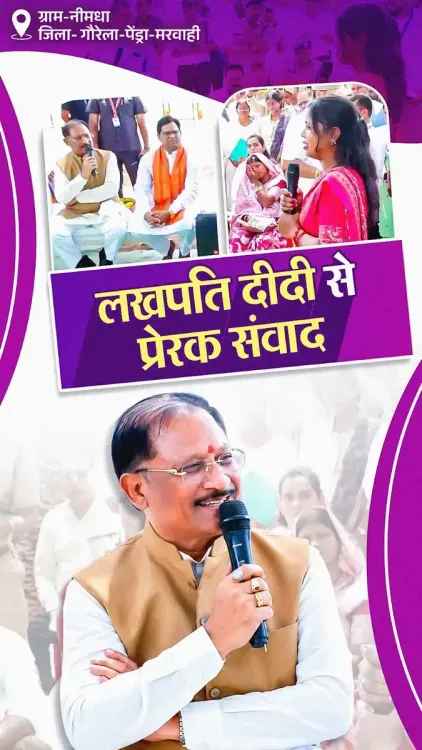
The Chief Minister's Office of Chhattisgarh on Saturday, June 6, 2026, shared accounts of rural women who have achieved financial self-reliance, as Sushasan Tihar 2026 reached village Nimdha in Gaurela-Pendra-Marwahi district. The post highlighted Lakhpati Didis — women from self-help groups who have crossed the one-lakh-rupee annual income threshold — narrating their journeys of economic independence at the governance outreach event.
Context
The CMO's post, written in Hindi, stated: 'Sushasan Tihar mein Lakhpati Didiyon ne sunai safalta ki kahani' ('At Sushasan Tihar, Lakhpati Didis shared their stories of success'). It added that the smile of self-reliance on the faces of these women is itself the symbol of the success of the governance government's policies. The event was held at Gram Nimdha, a village in the newly formed Gaurela-Pendra-Marwahi district, one of Chhattisgarh's 33 districts, carved out in 2019 from a predominantly rural and tribal region.
Policy Backdrop
The Lakhpati Didi concept is embedded within the Deendayal Antyodaya Yojana–National Rural Livelihoods Mission (DAY-NRLM), a central government scheme launched in 2011 to mobilise rural women into self-help groups and create sustainable, diversified livelihoods. The mission targets households where at least one woman member earns a net annual income of over one lakh rupees through group-based enterprises, skill linkages, and microfinance access. Chhattisgarh, with its large rural and tribal population, has been an active implementation ground for the NRLM framework.
Sushasan Tihar — loosely translated as 'Good Governance Festival' — is an annual public outreach initiative by the Chhattisgarh government designed to take administration directly to villages, showcase welfare delivery outcomes, and collect grievances at the grassroots level. The 2026 edition, tagged #SushasanTihar2026, has been conducted across multiple districts, with village-level events serving as platforms for beneficiaries to speak publicly about scheme outcomes.
Stakeholders and Impact
The primary beneficiaries highlighted in this event are rural women — particularly members of self-help groups in Gaurela-Pendra-Marwahi, a district with a significant tribal and agrarian demographic. For these women, crossing the one-lakh-rupee annual income mark represents a structural shift from subsistence to economic agency, often enabling household investment in education, health, and small enterprise. The public narration of their success stories at a government-organised event also serves a social function: normalising women's economic participation in communities where it has historically been limited.
For the state government, such testimonials function as ground-level evidence of policy effectiveness, linking administrative intent to measurable household outcomes. The broader NRLM framework, which operates across Indian states, uses similar public platforms to report on the growing count of women reaching the Lakhpati threshold.
What's Next
District-level data on the total number of Lakhpati Didis added in Chhattisgarh during 2025–26 is expected to feature in upcoming state economic surveys and administrative reports. Any fresh budget allocations for self-help group support, skill training, or microfinance linkages in the next state cycle will be a key indicator of whether the momentum showcased at events like Sushasan Tihar translates into sustained policy investment. The continuation of the festival across remaining districts will also determine the breadth of beneficiary outreach before the 2026 fiscal review period closes.
Point of View
Particularly in election-adjacent cycles. The choice of Gaurela-Pendra-Marwahi, a young tribal-majority district, signals an intent to demonstrate that welfare delivery is reaching the state's most underserved geographies. Whether the optics translate into verifiable district-level data will determine the durability of this narrative beyond the festival season.
NationPress
21 Oct 2026
Frequently Asked Questions
What is Sushasan Tihar in Chhattisgarh?
Sushasan Tihar, meaning 'Good Governance Festival,' is an annual public outreach initiative by the Chhattisgarh government where officials travel to villages to showcase welfare delivery, hear grievances, and present scheme outcomes directly to beneficiaries.
Who are Lakhpati Didis?
Lakhpati Didis are rural women, typically members of self-help groups under the DAY-NRLM scheme, who have achieved a net annual income of over one lakh rupees through group-based enterprises, skill development, and microfinance linkages.
What is DAY-NRLM and how does it work in Chhattisgarh?
The Deendayal Antyodaya Yojana–National Rural Livelihoods Mission, launched in 2011, mobilises rural women into self-help groups and provides them with skill training, credit access, and market linkages to generate sustainable household incomes. Chhattisgarh is an active implementation state under this central scheme.
Where is Gaurela-Pendra-Marwahi district located?
Gaurela-Pendra-Marwahi is one of the 33 districts of Chhattisgarh, carved out in 2019. It has a predominantly rural and tribal population and is among the districts where livelihood schemes under NRLM are actively implemented.
What is the significance of the one-lakh-rupee income threshold for rural women?
Crossing one lakh rupees in annual income represents a shift from subsistence to economic agency for rural women, enabling household investment in education, health, and small enterprise, and is the official benchmark used to designate a woman as a Lakhpati Didi under the NRLM framework.