Lalan Singh hails Nalanda as 2027 EAS University Conclave host

Synopsis
Union Minister Lalan Singh welcomed PM Modi's pledge at the 21st East Asia Summit to hand Nalanda University the hosting rights for the 2027 EAS University Heads Conclave, calling it a proud moment for Bihar and a new chapter in India's education-driven regional diplomacy.
Key Takeaways
PM Narendra Modi announced at the 21st East Asia Summit that Nalanda University, Bihar , will host the East Asia Summit University Heads Conclave in 2027 .
Union Minister Rajiv Ranjan Singh (Lalan Singh) hailed the development as a moment of pride for Bihar and a new international identity for its historic knowledge tradition.
Nalanda University was revived under the Nalanda University Act, 2010 , with academic sessions beginning in 2014 ; East Asian countries were founding partners.
The East Asia Summit is an 18-nation forum that India joined at its first meeting in 2005 , using the platform for education and cultural diplomacy.
The hosting decision fits India's Act East Policy , which channels regional engagement through multilateral mechanisms and leverages historic educational centres as soft-power assets.
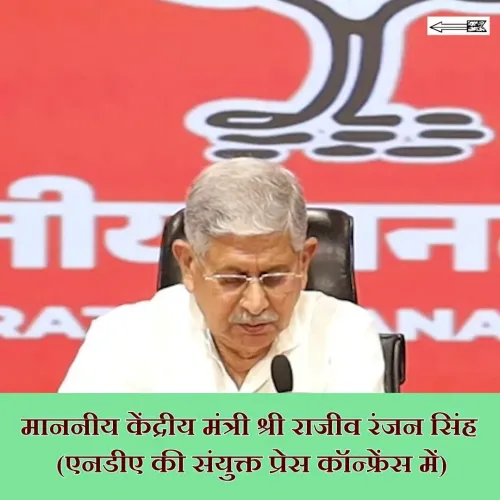
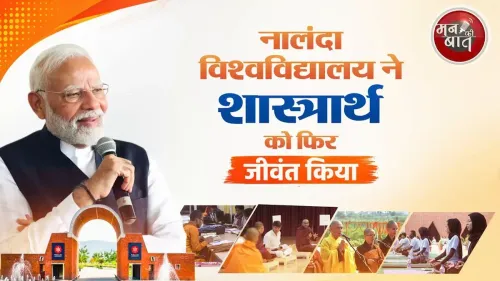
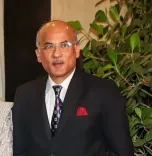
Ancient Bihar's most storied institution is about to reclaim a global stage — and this time, it has 18 nations watching. Union Minister Rajiv Ranjan Singh (Lalan Singh) on Thursday, 19 November 2026, celebrated Prime Minister Narendra Modi's announcement at the 21st East Asia Summit that Nalanda University in Bihar will host the East Asia Summit University Heads Conclave in 2027 — a declaration the minister called a moment of pride for the state and a new international identity for its historic knowledge tradition.
Posting in Hindi, Singh wrote that PM Modi's announcement would open 'new doors of education, research and global academic cooperation' and give Nalanda's historical educational heritage fresh recognition on the world stage — 'नालंदा की ऐतिहासिक शैक्षणिक विरासत को अंतरराष्ट्रील स्तर पर नई पहचान मिलेगी' (Nalanda's historic academic heritage will gain new recognition at the international level).
From ruins to diplomatic real estate: Nalanda's second coming
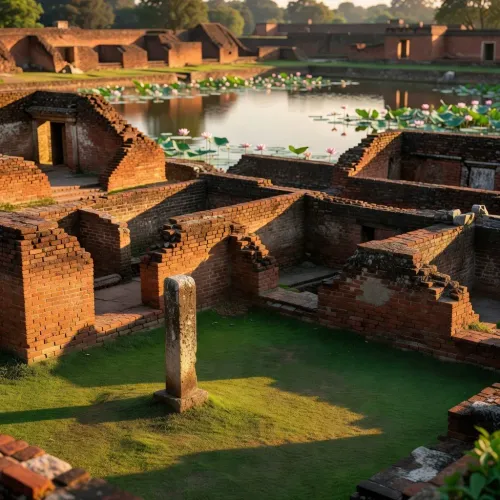
Nalanda University is not a metaphor — it is a functioning international institution, revived under the Nalanda University Act, 2010, with academic sessions beginning in 2014 on the very site of the ancient monastery that once drew scholars from across Asia. Its founding architecture was deliberately multilateral: East Asian countries were among the partners from day one, making a future East Asia Summit role almost structurally inevitable.
The East Asia Summit is an 18-nation leaders' forum — encompassing ASEAN members, India, China, Japan, South Korea, Australia and others — that India joined at its inaugural meeting in 2005. New Delhi has since deployed the platform for education and cultural diplomacy, threading its Act East Policy through multilateral mechanisms precisely like this one. Handing the 2027 University Heads Conclave to Nalanda is that strategy made concrete: a physical address in Bihar now carries the weight of regional academic statecraft.
Bihar's ancient learning corridor steps onto the EAS map
For Bihar, this is more than symbolism. The state has long positioned its ancient role as a seat of learning — Nalanda, Vikramashila, Bodh Gaya — as a live diplomatic asset, not merely a heritage talking point. Hosting a conclave of university heads from across East and Southeast Asia in 2027 would put Bihar's revived institution in direct conversation with rectors and vice-chancellors who govern some of the region's most influential research universities.
India's broader soft-power playbook has leaned heavily on restoring historic educational centres to strengthen ties with East and Southeast Asia. The logic is deliberate: reconnect contemporary regional cooperation with the pre-modern Asian knowledge networks that Nalanda itself once anchored. A JD(U) senior leader and Union minister, Singh's celebration of the announcement also carries a local political resonance — Bihar goes to the polls with an eye always on development optics, and a globally recognised university campus in the heartland is a rare, tangible credential.
Watch for the participant list and any bilateral partnership or funding commitments that emerge as the 2027 conclave takes shape — that is where the diplomatic promise will be tested against institutional reality.
Point of View
It threads three strategic priorities at once: multilateral engagement, soft-power projection in East and Southeast Asia, and a visible development credential for Bihar ahead of state politics. Lalan Singh's public celebration of the announcement is also a reminder that Union ministers from Bihar are acutely aware of how global recognition for their home state translates into political capital. The real test will come in 2027: whether the conclave produces durable research partnerships or remains a high-visibility photo opportunity.
NationPress
19 Nov 2026
Frequently Asked Questions
What is the East Asia Summit University Heads Conclave?
The East Asia Summit University Heads Conclave is a gathering of vice-chancellors and university heads from the 18 nations that form the East Asia Summit, aimed at fostering academic cooperation, research partnerships and educational exchange across the region.
Why will Nalanda University host the 2027 EAS University Heads Conclave?
PM Modi announced at the 21st East Asia Summit that Nalanda University in Bihar would host the 2027 conclave, citing the institution's historical significance as an ancient centre of pan-Asian learning and its role as a modern international university with East Asian founding partners.
When was Nalanda University revived and who were its founding partners?
The modern Nalanda University was established under the Nalanda University Act, 2010, with academic sessions beginning in 2014. East Asian countries were among the founding partners, reflecting the ancient university's historical connections with scholars from across Asia.
What is India's Act East Policy and how does Nalanda fit into it?
India's Act East Policy is a strategic framework to deepen economic, diplomatic and cultural ties with East and Southeast Asian nations. Hosting a major East Asia Summit academic conclave at Nalanda connects India's civilisational heritage to contemporary regional multilateralism, a hallmark of this policy.
What did Union Minister Lalan Singh say about the Nalanda University announcement?
Senior JD(U) leader and Union Minister Rajiv Ranjan Singh, popularly known as Lalan Singh, said PM Modi's announcement would give Nalanda's historical academic heritage new recognition on the international stage and open new doors for education, research and global academic cooperation.