Bihar CM Office Plans Global Hub for Nalanda, Pawapuri
Synopsis
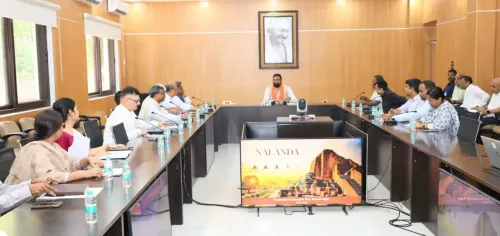
Bihar's Chief Minister's Office has directed the preparation of a special integrated package to re-establish Nalanda as a global knowledge and cultural hub, alongside a dedicated action plan for the all-round development of the Pawapuri Jain temple complex in Nalanda district.
Key Takeaways
The Chief Minister's Office of Bihar announced on 14 June 2026 that a special integrated package will be prepared to position Nalanda as a 'Global Knowledge and Cultural Destination.' A separate special action plan has been directed for the all-round development of the Pawapuri Mandir complex , a key Jain pilgrimage site.
Both sites are located in Nalanda district, Bihar ; Nalanda is a UNESCO World Heritage Site and Pawapuri is where Lord Mahavira is believed to have attained nirvana.
The announcements align with Bihar's long-standing policy of developing Buddhist and Jain heritage circuits as drivers of tourism and local employment.
Execution will require coordination with the Archaeological Survey of India and the Union Ministry of Tourism ; budget allocations and timelines are yet to be disclosed.
The Chief Minister's Office of Bihar announced on Sunday, 14 June 2026 that a special integrated package will be prepared to re-establish Nalanda as a 'Global Knowledge and Cultural Destination,' and that a dedicated action plan will be drawn up for the all-round development of the Pawapuri temple complex.
Context
The CMO's post, shared from the official @officecmbihar account, states that directions have been issued to prepare a special integrated package to position Nalanda as a global centre of knowledge and culture — 'ग्लोबल नॉलेज एंड कल्चरल डेस्टिनेशन' ('Global Knowledge and Cultural Destination'). Simultaneously, a special action plan has been directed for the 'all-round development' (चहुंमुखी विकास) of the Pawapuri Mandir complex. The announcements signal a twin-track push to develop both Buddhist and Jain heritage nodes within Nalanda district.Policy Backdrop
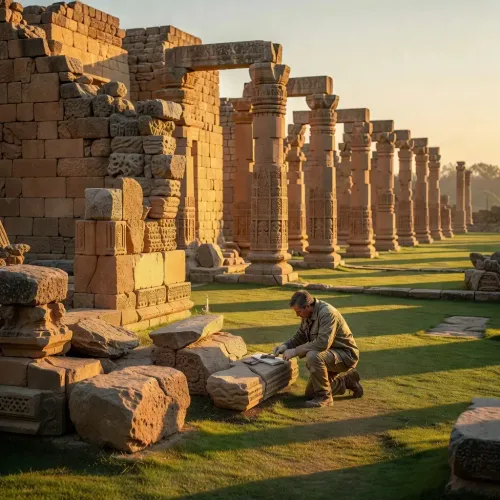
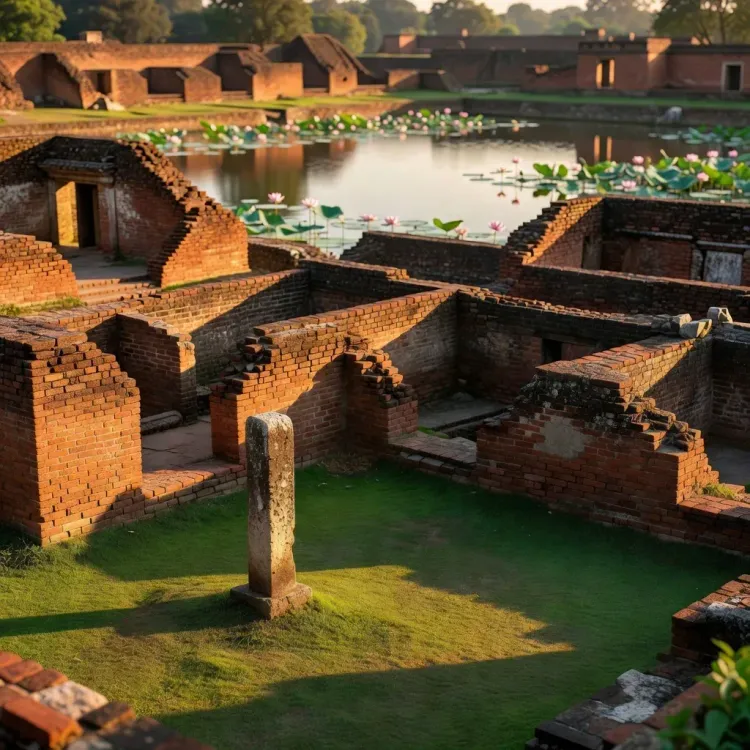
Nalanda holds one of the most storied legacies in Asian intellectual history. The ancient Nalanda University, which flourished from the 5th century CE until its destruction in the 12th century, drew scholars from across Asia and is now a UNESCO World Heritage Site. A modern successor institution was re-established under the Nalanda University Act, 2010, with backing from several East Asian nations, as part of efforts to revive the site's academic heritage. Pawapuri, located within the same district, is among the most sacred Jain pilgrimage sites in the country — the place where Lord Mahavira is believed to have attained nirvana, and home to the iconic Jal Mandir temple set in the middle of a lotus pond. Bihar's successive state governments have linked heritage conservation with tourism-led economic development, targeting both the Buddhist Circuit and the Jain Circuit as engines of regional growth. Infrastructure upgrades around Nalanda and Rajgir have been a recurring theme in the state's development agenda over the past decade.Stakeholders and Impact
The announcements directly affect pilgrims, heritage tourists, archaeologists, and local communities dependent on the tourism economy of Nalanda district. Positioning Nalanda as a global knowledge and cultural destination could attract increased foreign visitor footfall, academic delegations, and international institutional partnerships. The Pawapuri action plan is likely to benefit the large number of Jain pilgrims who visit the shrine year-round, as well as local traders and hospitality providers in the area. Coordination with the Archaeological Survey of India (ASI) and the Union Ministry of Tourism will be critical for translating these directions into funded, time-bound projects.What's Next
The immediate focus will be on whether the Bihar government translates these directions into concrete budget allocations and project timelines. Observers will watch for formal tenders or MoUs related to the integrated Nalanda package, as well as a published action plan for Pawapuri. Any collaboration with central agencies or international bodies — particularly those already engaged with the modern Nalanda University — would significantly amplify the scale and credibility of the initiative. The state's ability to move from announcement to execution will determine whether Nalanda can genuinely reclaim its place on the global cultural map.Point of View
Broadening the state's appeal to diverse pilgrim and tourist demographics. Whether these directions translate into funded schemes or remain aspirational will be the defining test of this announcement's significance.
NationPress
14 Sept 2026
Frequently Asked Questions
What is the Bihar government's plan for Nalanda?
The Chief Minister's Office of Bihar has directed the preparation of a special integrated package to re-establish Nalanda as a 'Global Knowledge and Cultural Destination,' combining heritage, tourism, and cultural infrastructure development.
Why is Nalanda historically important?
Nalanda was one of the world's greatest centres of learning from the 5th century CE until the 12th century, attracting scholars from across Asia. It is now a UNESCO World Heritage Site and home to a modern international university re-established under the Nalanda University Act, 2010.
What is the significance of Pawapuri for Jain pilgrims?
Pawapuri, in Nalanda district, Bihar, is believed to be the site where Lord Mahavira attained nirvana. It is home to the Jal Mandir, a sacred Jain temple built on a lotus pond, and draws pilgrims from across India and abroad.
What is Bihar's approach to heritage tourism?
Bihar has pursued heritage-based tourism as a key economic strategy, developing Buddhist and Jain pilgrimage circuits — including sites around Nalanda, Rajgir, and Pawapuri — with infrastructure upgrades aimed at attracting domestic and international visitors.
What happens next after the Bihar CMO's announcement on Nalanda and Pawapuri?
The next steps involve formal budget allocations, project timelines, and potential coordination with the Archaeological Survey of India and the Union Ministry of Tourism to convert the announced integrated package and action plan into executable schemes.