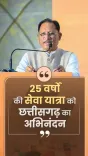
Lalan Singh condoles Kolkata Durga Puja stampede
Synopsis
Union Minister Rajiv Ranjan Singh (Lalan Singh) expressed deep grief over a stampede at a Durga Puja pandal in Kolkata on 17 October 2026, praying for the injured's recovery and strength for affected families.
Key Takeaways
Union Minister Lalan Singh posted a condolence message on 17 October 2026 over a stampede at a Durga Puja pandal in Kolkata .
He described the news as 'deeply painful' and prayed for the swift recovery of the injured.
He also called for strength and resilience for the families affected by the tragedy.
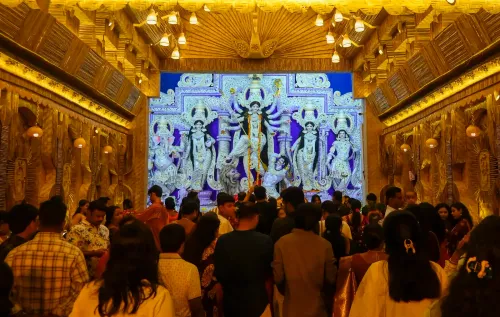
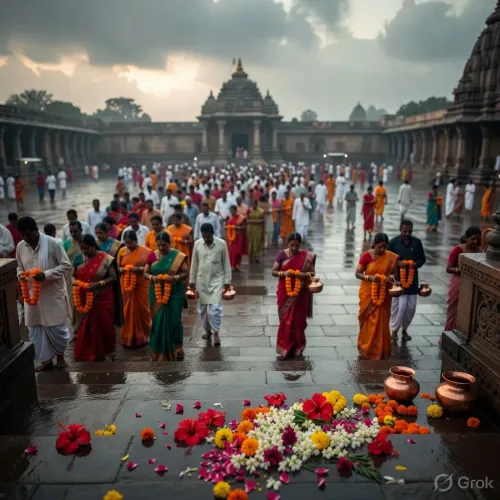
Durga Puja is West Bengal's largest festival, with massive public gatherings at pandals across Kolkata every year.
Crowd management at large religious gatherings remains a recurring safety challenge across India.
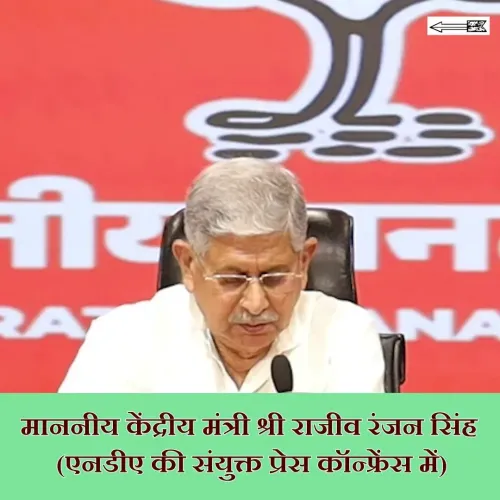
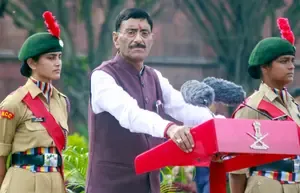
A stampede at a Durga Puja pandal in Kolkata has left families shattered, and Union Minister Rajiv Ranjan Singh — popularly known as Lalan Singh — was among the first national voices to express grief, posting a heartfelt message on Saturday, 17 October 2026 as the news broke.
In his post, the Union Minister of Panchayati Raj, Fisheries, Animal Husbandry and Dairying wrote: 'Kolkata ke ek Durga Puja pandal mein hui bhagdad ka dukhad samachar atyant peedadayak hai' — 'The tragic news of a stampede at a Durga Puja pandal in Kolkata is deeply painful.' He prayed that the injured recover swiftly and that the affected families find strength and resilience in this difficult hour.
Stampede at the heart of Bengal's biggest festival
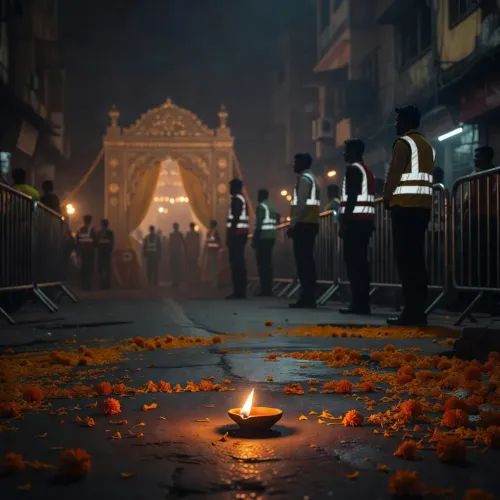
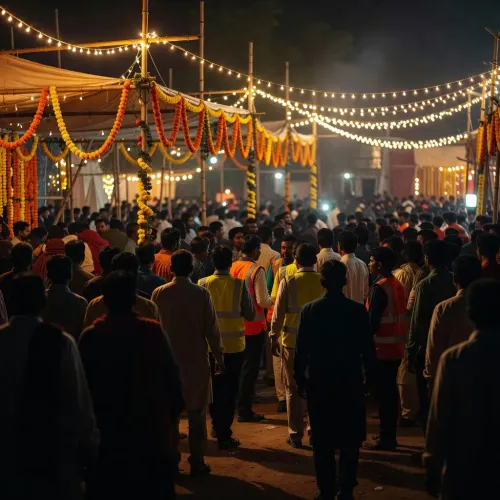
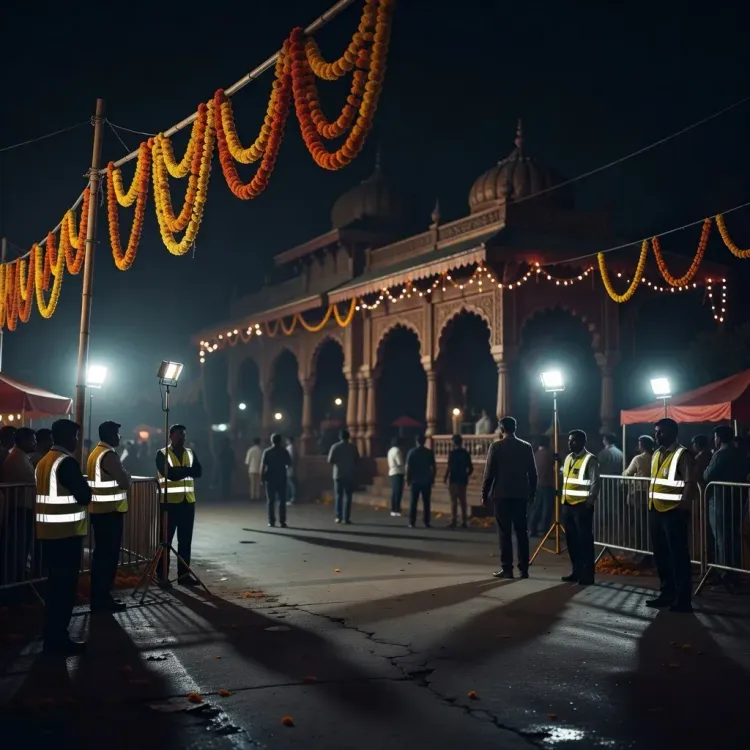
Durga Puja is West Bengal's most celebrated festival, drawing millions of visitors to elaborately decorated public pandals across Kolkata every year. The scale of the gatherings — often hundreds of thousands in a single evening at popular venues — has long made crowd management a critical and recurring challenge for local authorities.
Stampedes at densely packed religious sites are a documented hazard across India. When they strike during a festival as emotionally charged as Durga Puja, the grief compounds: families come to celebrate, and some do not return whole. The human cost of inadequate crowd control is not abstract — it is measured in the injured and the bereaved.
A senior NDA ally speaks from the national stage
Lalan Singh, a senior leader of the Janata Dal (United) — a key partner in the ruling National Democratic Alliance — carries weight both as a Union Cabinet minister and as a political figure with a long-standing connection to Bihar's grassroots. His condolence message follows a well-established pattern among national leaders: expressions of solidarity that signal the Centre's awareness of a state-level tragedy without pre-empting any official inquiry.
What matters now is whether West Bengal's local authorities move quickly on crowd-management accountability. A tragedy at a pandal is not simply misfortune — it is a question of preparedness, barriers, and the systems that either hold or fail when thousands surge at once.
Point of View
Even when the message is purely humanitarian. Lalan Singh's statement keeps the Centre visible on a West Bengal tragedy without directly implicating state authorities — a calibrated posture. The broader pattern of such condolences, however, rarely translates into central pressure for crowd-management reforms at state-run festivals. The real test is whether this moment of national attention accelerates accountability at the local level.
NationPress
17 Oct 2026
Frequently Asked Questions
What happened at the Kolkata Durga Puja pandal?
A stampede occurred at a Durga Puja pandal in Kolkata, leaving people injured. Specific details of the incident, including the exact location and casualty figures, are subject to local authority reports.
What did Lalan Singh say about the Kolkata stampede?
Union Minister Lalan Singh called the news 'deeply painful' and prayed for the swift recovery of the injured and for strength for the families affected.
Why are Durga Puja pandals prone to stampedes?
Durga Puja draws millions of visitors to public pandals in Kolkata, creating extremely dense crowds, especially in the evenings — making crowd management and barrier systems critical to preventing surges.
What happens after stampede incidents at Indian religious festivals?
Typically, local authorities conduct inquiries into crowd management failures, while political leaders issue condolence statements. Accountability and reform of safety protocols vary by jurisdiction and incident severity.