Tejashwi Yadav mourns 17 deaths in Kolkata Durga Puja stampede
Synopsis
RJD leader Tejashwi Yadav mourned 17 deaths in a stampede at a Durga Puja pandal in Kolkata on 17 October 2026, offering prayers for the deceased, strength for grieving families, and swift recovery for the injured.
Key Takeaways
17 people died in a stampede at a Durga Puja pandal in Kolkata , according to Tejashwi Yadav's post dated 17 October 2026 .
Tejashwi Yadav , RJD leader and Bihar Leader of the Opposition, expressed deep distress and offered condolences to bereaved families.
He prayed for peace for the deceased, emotional strength for their families, and quick recovery for the injured.
Kolkata's Durga Puja draws millions of visitors to thousands of community pandals, making crowd management a critical public-safety challenge.
West Bengal authorities are expected to face scrutiny over crowd-control measures and emergency response at the pandal.
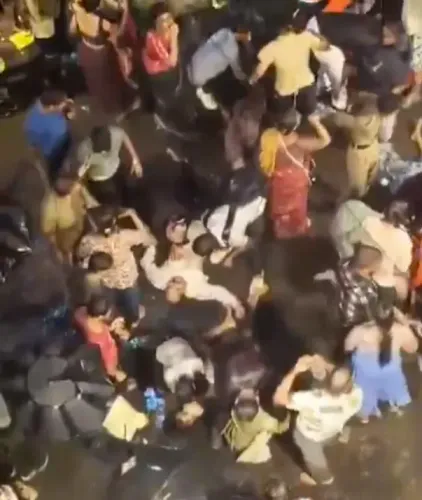
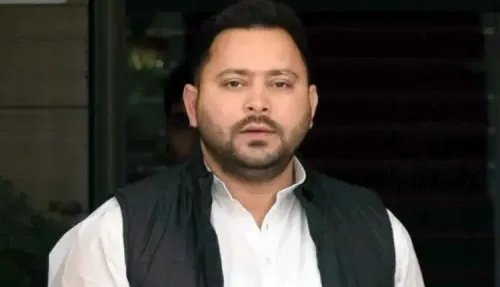
Seventeen lives lost in a single night of celebration — the news of a deadly stampede at a Durga Puja pandal in Kolkata has sent a wave of grief across the country, drawing condolences from political leaders including RJD leader and Bihar Leader of the Opposition Tejashwi Yadav, who expressed deep anguish on Saturday, 17 October 2026.
In a post in Hindi, Yadav wrote: 'कोलकाता के दुर्गा पूजा पंडाल में भगदड़ की हृदयविदारक घटना में 17 मौतों की खबर से मन व्यथित है' — 'The news of 17 deaths in the heartbreaking stampede at a Durga Puja pandal in Kolkata has left me deeply distressed.' He extended his 'deepest condolences to the families who have lost their loved ones in this tragedy,' prayed for the departed souls to find peace, for the bereaved to find strength, and for the injured to recover swiftly.
Durga Puja's scale and the shadow of crowd tragedy
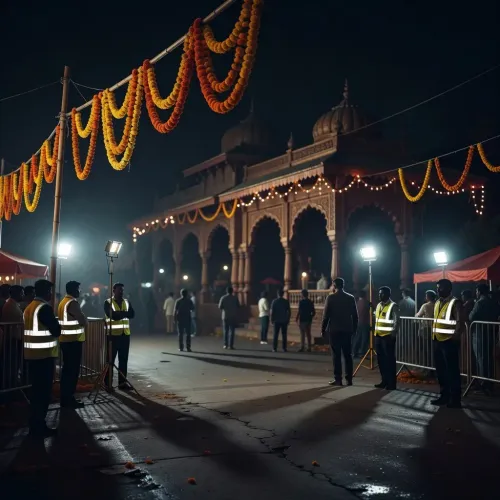
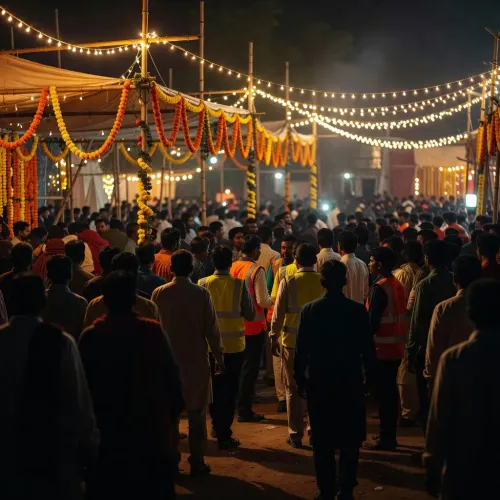
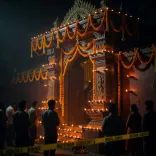
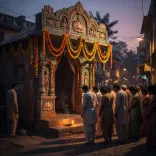
Kolkata is the undisputed capital of Durga Puja, a festival that transforms the city into a vast open-air cultural event each October. Tens of thousands of community-organised pandals — elaborate temporary shrines — draw millions of visitors across the five-day celebration, making crowd management one of the most consequential public-safety challenges in the country's festival calendar. When something goes wrong in a gathering of that density, the consequences are swift and devastating. That is precisely what happened here.
Stampedes at religious gatherings have claimed hundreds of lives across India over the decades, each tragedy prompting renewed calls for structured crowd-control protocols, mandatory capacity limits, and real-time monitoring at public events. Whether those calls translate into lasting reform has, historically, been uneven.
Condolences from Bihar's opposition leader
Yadav's statement reflects the standard but sincere protocol that Indian political leaders observe after mass-casualty events at religious sites — a public acknowledgement that grief transcends state boundaries and party lines. As Leader of the Opposition in the Bihar Legislative Assembly and a prominent national voice of the Rashtriya Janata Dal (RJD), his condolence carries the weight of a senior opposition figure addressing a tragedy in a state governed by a rival political formation.
His message made no political demands — it was a prayer, a gesture of solidarity with the bereaved, and a call for the injured to heal. In moments like this, that restraint is itself a statement.
As West Bengal authorities begin the grim work of identifying victims and accounting for the injured, the questions that will follow — about crowd-management planning, emergency response, and accountability — will define the political and administrative reckoning ahead. For now, seventeen families in Kolkata are counting their dead.
Point of View
While politically routine, arrives at a moment when the Bihar opposition leader's national profile is rising, and his voice on tragedies beyond his home state reflects a deliberate effort to project a broader political presence. The Kolkata tragedy will also test West Bengal's administrative credibility, given that Durga Puja is both a cultural crown jewel and a logistical stress test for the state. The real measure of political will — across party lines — will be whether this incident produces enforceable safety standards or fades into the familiar cycle of condolence and inaction.
NationPress
17 Oct 2026
Frequently Asked Questions
What happened at the Kolkata Durga Puja pandal stampede in 2026?
A stampede at a Durga Puja pandal in Kolkata resulted in 17 deaths , according to a post by RJD leader Tejashwi Yadav on 17 October 2026 . Several others were also reported injured in the incident.
What did Tejashwi Yadav say about the Kolkata stampede?
Tejashwi Yadav said the news of 17 deaths left him 'deeply distressed.' He offered condolences to the bereaved families, prayed for peace for the departed souls, and wished a swift recovery for the injured.
Why is Durga Puja in Kolkata prone to crowd incidents?
Kolkata's Durga Puja attracts millions of visitors across thousands of community pandals over five days, creating extreme crowd density that makes effective crowd management one of the city's most critical public-safety challenges during the festival season.
Who is Tejashwi Yadav?
Tejashwi Yadav is a senior leader of the Rashtriya Janata Dal (RJD), currently serving as Leader of the Opposition in the Bihar Legislative Assembly. He previously served as Deputy Chief Minister of Bihar.
What typically follows a stampede at a religious festival in India?
Following such tragedies, state authorities typically launch an inquiry into crowd management, announce compensation for victims' families, and face calls for stricter safety protocols at large public gatherings. Political leaders across parties issue condolences as part of standard public protocol.