CM Pema Khandu Launches Yak Economy Summit at Tawang's Mago
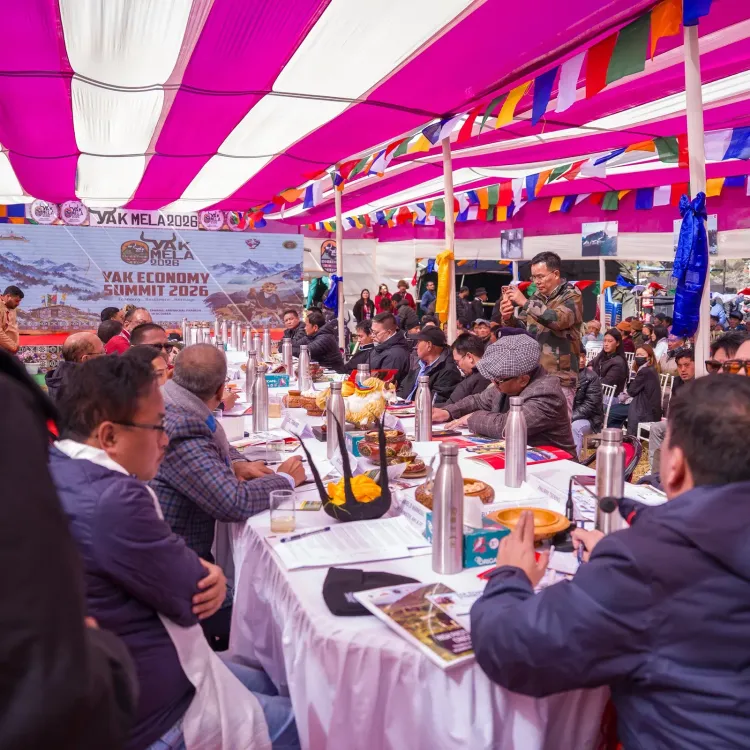
Synopsis
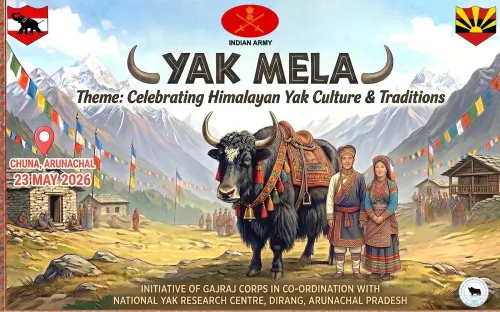
Arunachal Pradesh CM Pema Khandu launched the Yak Economy Summit 2026 and Yak Mela at Mago in Tawang on October 17, gathering Brokpa herders, scientists, and the Indian Army to chart a roadmap for yak conservation, livelihoods, and border-community strengthening.
Key Takeaways
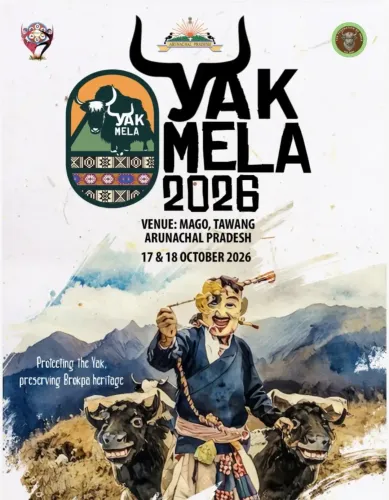
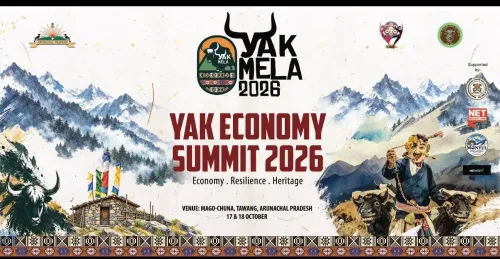
The Yak Economy Summit 2026 and Yak Mela were held at Mago, Tawang on October 17, 2026 .
CM Pema Khandu described the event as a 'historic initiative' for yak conservation and herder livelihoods.
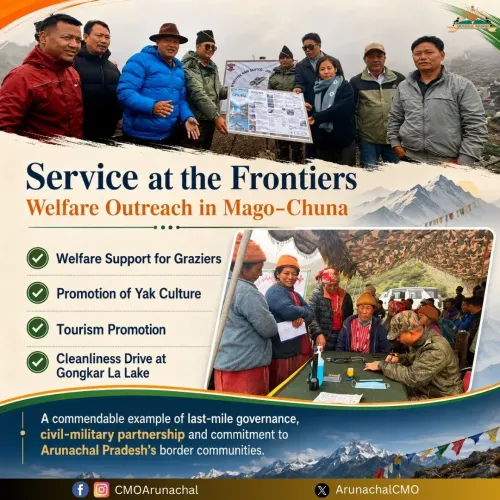
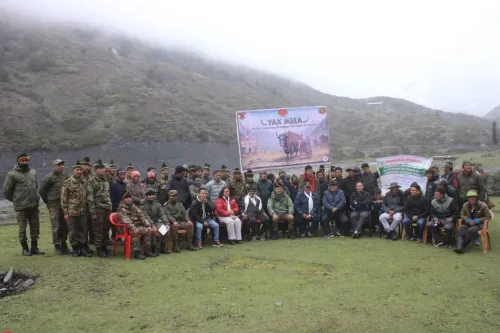
The Indian Army participated alongside scientists and Brokpa yak-herding communities.
The summit aims to develop a roadmap for yak-based products, conservation, and improved incomes in high-altitude border villages.
Khandu explicitly linked Brokpa community support to 'national interest' and the strengthening of border communities.
Follow-up state and central schemes for yak value chains are the key deliverable to watch.
Deep in the Himalayas, where the air is thin and the borders are live, Arunachal Pradesh Chief Minister Pema Khandu convened the Yak Economy Summit 2026 and Yak Mela at Mago in Tawang district on Saturday, October 17, 2026 — bringing together yak-rearing communities, scientists, and the Indian Army to chart a future for one of India's most remote pastoral economies.
A summit at the roof of India — and on the edge of the frontier
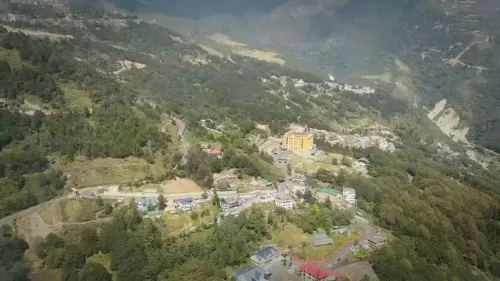
Mago is not a place most policy meetings reach. Perched in Tawang, a strategic district that shares a sensitive border with China, it is home to the Brokpa communities — semi-nomadic herders whose entire livelihood, culture, and identity are built around the yak. CM Khandu described the Brokpas as 'custodians of a unique pastoral tradition' who 'play an important role in sustaining life in our remote Himalayan villages.' The summit, he said, marks 'a historic initiative' to build 'a comprehensive roadmap for yak conservation, better livelihoods and the development of yak-based products.'
The Indian Army's seat at the table is deliberate and telling. In Himalayan frontier districts, development and defence are rarely separate conversations — and the presence of military stakeholders alongside scientists and herding communities signals that this summit is as much about border resilience as it is about rural income.
Why the yak economy matters beyond the pasture
The yak is not merely livestock in this corner of India. It is transport, wool, milk, meat, and cultural anchor — an animal uniquely adapted to survive above 3,000 metres, where no other domesticated species thrives. Arunachal Pradesh governments have for years linked herder support in border districts to a wider strategic logic: settled, economically secure communities are the most enduring form of border management. When herders abandon high-altitude pastures — pushed out by climate stress, poor incomes, or lack of healthcare — villages empty and the state's presence at the frontier quietly recedes.
The Summit directly addresses that risk. By convening scientists alongside herders, it signals intent to modernise the yak value chain — potentially including yak cheese, yak wool textiles, and eco-tourism — while protecting the pastoral practices that make it viable.
Heritage, livelihood, and national interest — the CM's three-part frame
Khandu was precise about the stakes: 'Supporting them is not just about preserving our heritage; it is also about strengthening our border communities and serving our national interest.' That three-part framing — heritage, livelihood, security — is not rhetorical decoration. It mirrors a pattern visible across India's frontier districts, where cultural conservation schemes increasingly carry an explicit strategic rationale, and where the Indian Army's involvement in civilian economic events has become a marker of how seriously New Delhi views demographic hollowing-out in border zones.
The Yak Economy Summit's most consequential output will be what follows it — state or central schemes for yak product value chains, veterinary support, and herder incomes that translate the Mago declaration into measurable change on the ground.
Point of View
Khandu is signalling that demographic stability in high-altitude frontier zones is now treated as a national security variable, not merely a welfare concern. The summit also reflects growing political attention to Arunachal Pradesh's strategic weight, particularly in districts like Tawang that sit at the centre of unresolved boundary claims. The real test will be whether the Mago roadmap produces durable schemes — or remains a high-altitude headline.
NationPress
18 Oct 2026
Frequently Asked Questions
What is the Yak Economy Summit 2026?
The Yak Economy Summit 2026 is a multi-stakeholder event held at Mago in Tawang, Arunachal Pradesh, bringing together Brokpa yak-herding communities, scientists, and the Indian Army to create a roadmap for yak conservation, herder livelihoods, and yak-based product development.
Who are the Brokpa people?
The Brokpa are semi-nomadic pastoral communities in high-altitude areas of Tawang and other Himalayan districts of Arunachal Pradesh, whose culture and livelihoods revolve around yak herding.
Why is the Indian Army part of a yak economy summit?
The Indian Army's participation reflects the strategic dimension of the summit — in Himalayan frontier districts, economically secure border communities are considered essential for national security, and the Army regularly collaborates on civilian development initiatives in these zones.
Where is Mago village located?
Mago is a remote village in Tawang district, Arunachal Pradesh, situated in the eastern Himalayas near India's border with China.
What yak-based products could come out of the summit?
The summit aims to develop a value chain around yak-based products, which could include yak milk, cheese, wool textiles, and eco-tourism, though specific outcomes are yet to be announced.