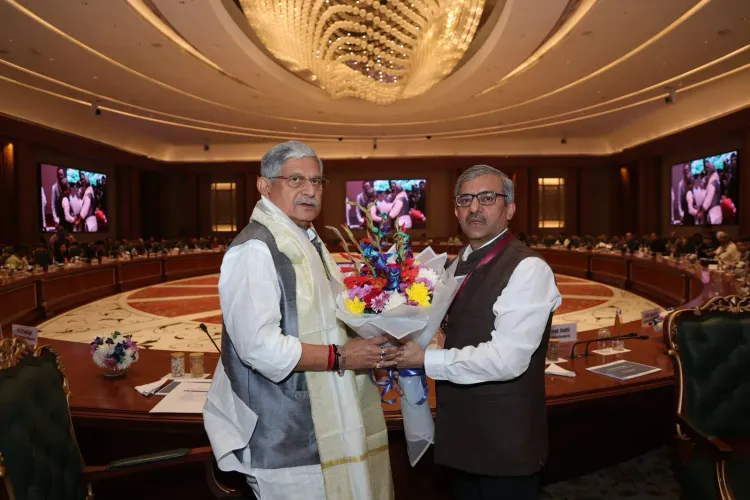
Lalan Singh chairs SVAMITVA national review at Bharat Mandapam
Synopsis
Union Minister Rajiv Ranjan Singh chaired the SVAMITVA Scheme's national review at Bharat Mandapam on 20 November 2026. State ministers reported progress on drone surveys, GIS map verification, and property card issuance — key pillars of PM Modi's Gram Swaraj vision for rural India.
Key Takeaways
Lalan Singh chaired the SVAMITVA Scheme national review meeting at Bharat Mandapam, New Delhi on 20 November 2026 .
Ministers from multiple states presented progress on drone surveys , ground verification of GIS maps, and property card issuance.
SVAMITVA was originally launched by PM Narendra Modi in April 2020 as a pilot in six states , and has since been expanded nationally.
The scheme has contributed to reducing rural property disputes and strengthening women's economic security through formal property ownership.
The review frames SVAMITVA within PM Modi's Gram Swaraj vision, linking empowered panchayats to the broader Viksit Bharat goal.
The Ministry of Panchayati Raj is the nodal body overseeing the scheme's nationwide rollout and state-level accountability.
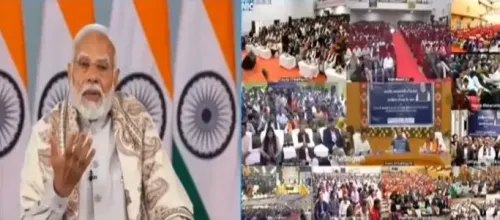
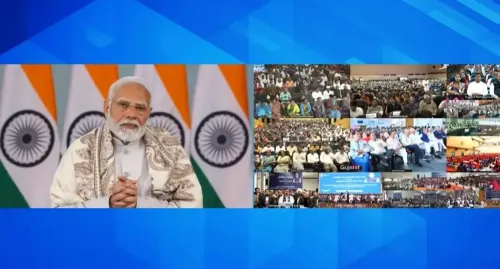
Property disputes have long plagued India's villages — but on Friday, 20 November 2026, Union Panchayati Raj and Fisheries Minister Rajiv Ranjan Singh convened the national review meeting of the SVAMITVA Scheme at Bharat Mandapam, New Delhi, bringing together ministers from states across the country to take stock of one of rural India's most ambitious land-record modernisation drives.
Posting on X after chairing the session, the minister — popularly known as Lalan Singh — said ministers from various states shared progress on drone surveys, ground verification of maps, and the issuance of property cards to rural households. 'स्वामित्व योजना ने संपत्ति संबंधी विवादों को कम करने… में भी महत्वपूर्ण योगदान दिया है' — the SVAMITVA Scheme has made a significant contribution to reducing property-related disputes, he noted, adding that the initiative is also strengthening women's economic security by encouraging formal property ownership in their names.
From drone survey to doorstep: what SVAMITVA actually does
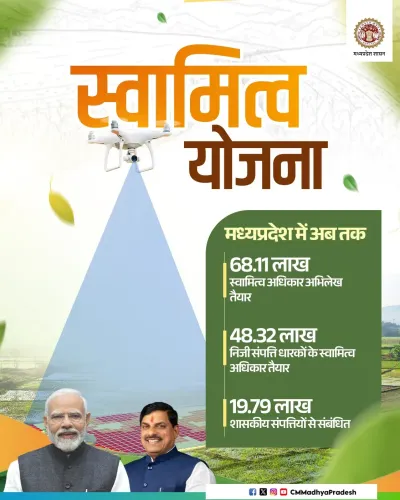
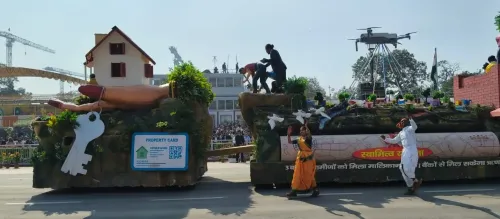
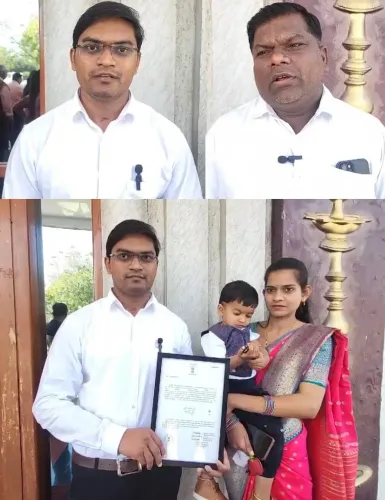
Launched as a pilot in April 2020 across six states by Prime Minister Narendra Modi, SVAMITVA — Survey of Villages and Mapping with Improvised Technology in Village Areas — uses drone technology to create precise GIS maps of rural habitations. Once a village is mapped and the survey ground-verified, eligible households receive property cards, formally recognising their ownership for the first time.
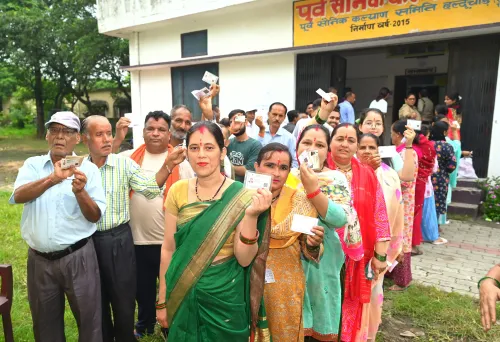
That formal recognition carries enormous downstream weight. A property card is a legal document against which rural households can access institutional credit, settle inheritance disputes, and plan construction — benefits that were largely out of reach for crores of rural families operating without documented title. The scheme also specifically tracks and encourages co-ownership or sole ownership by women, directly targeting the gender gap in rural asset-holding.
GIS maps and Gram Swaraj: the bigger political vision
Lalan Singh explicitly framed the review within Prime Minister Modi's concept of Gram Swaraj — village self-rule — describing it as the PM's dream and arguing that strong panchayats are non-negotiable for a Viksit Bharat (Developed India). It is a deliberate political and policy linkage: GIS-mapped villages with empowered panchayats and documented land records form the data backbone for localised rural planning, infrastructure allocation, and welfare targeting.
The Ministry of Panchayati Raj, which is the nodal body for the scheme's national rollout, has been pushing states to close the loop between drone surveys, ground verification, and final card issuance — the three pipeline stages where delays most commonly occur. Friday's review was aimed squarely at accelerating that last-mile delivery across lagging states.
What the states brought to the table
While specific state-wise figures were not publicly disclosed in the minister's post, the format of the meeting — ministers from multiple states presenting their own progress — signals that the Centre is now holding states directly accountable at the highest political level, not just the administrative one. That shift in the accountability architecture matters: it moves SVAMITVA from a bureaucratic implementation exercise to a political deliverable that state governments own publicly.
The road from drone footage to a family's first property card has always been longer and more contested than the technology suggests. With the national review now on the record, the pressure on states to close their pending surveys and clear their card-issuance backlogs just got louder.
Point of View
With state ministers now publicly accountable for pipeline progress. For the JD(U) and the BJP-led NDA coalition, rural land formalisation is a tangible, doorstep-level welfare story that travels well ahead of elections. The explicit Gram Swaraj framing also reinforces the Centre's narrative that panchayat empowerment — not just urban growth — is the engine of Viksit Bharat. How quickly states convert completed drone surveys into distributed property cards will determine whether that narrative holds on the ground.
NationPress
20 Nov 2026
Frequently Asked Questions
What is the SVAMITVA Scheme?
SVAMITVA (Survey of Villages and Mapping with Improvised Technology in Village Areas) is a central government scheme launched in April 2020 that uses drone technology to map rural habitations, create GIS records, and issue property cards to rural households, formally recognising their ownership rights.
What happened at the SVAMITVA national review meeting on 20 November 2026?
Union Minister Lalan Singh chaired the meeting at Bharat Mandapam in New Delhi, where ministers from various states presented their progress on drone surveys, ground verification of GIS maps, and the issuance of property cards to rural households.
How does SVAMITVA help women in rural India?
The scheme encourages formal property ownership in women's names, providing legal documentation that strengthens their economic security, enables access to institutional credit, and reduces vulnerability in inheritance or family disputes.
What is Gram Swaraj and how is it linked to SVAMITVA?
Gram Swaraj, or village self-rule, is PM Modi's vision for empowered panchayats at the heart of rural governance. SVAMITVA supports it by giving panchayats GIS-based maps and documented land data, enabling better local planning and resource allocation.
Who is Lalan Singh and which ministry does he head?
Lalan Singh is the popular name for Rajiv Ranjan Singh, a senior JD(U) leader from Bihar who serves as Union Minister of Panchayati Raj, Fisheries, Animal Husbandry and Dairying in the Government of India.