Lok Sabha passes Births and Deaths Amendment Bill amid Opposition uproar
Synopsis
The Lok Sabha passed a bill tightening birth and death registration rules in minutes — without debate — as the Opposition drowned out proceedings over the NEET paper leak and Ram Temple donation controversy. The House was then adjourned till Monday, marking another near-washout in a session increasingly paralysed by political confrontation.
Key Takeaways
The Registration of Births and Deaths (Amendment) Bill was passed by Lok Sabha via voice vote on 31 July without substantive discussion.
The bill requires District Magistrate approval for births or deaths registered between one and two years after occurrence, tightening delayed registration norms.
Minister of State for Home Affairs Nityanand Rai moved the bill; Parliamentary Affairs Minister Kiren Rijiju defended its passage amid the chaos.
The Opposition disrupted proceedings demanding accountability over the NEET paper leak and alleged Ram Temple donation theft .
The Lok Sabha was adjourned till Monday morning as the disorder persisted.
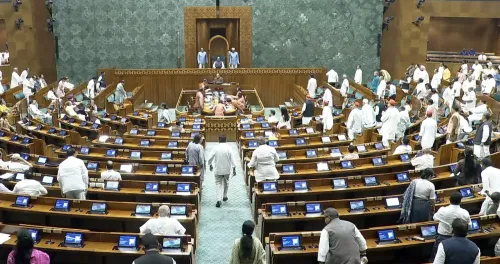
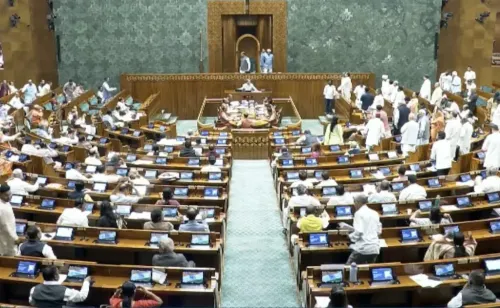
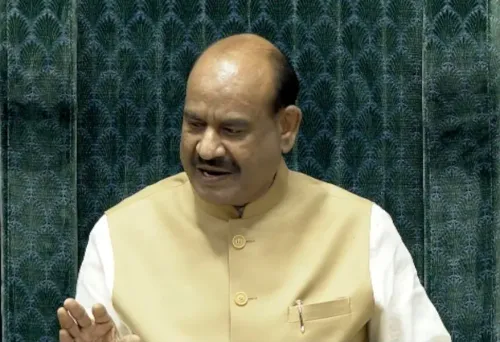
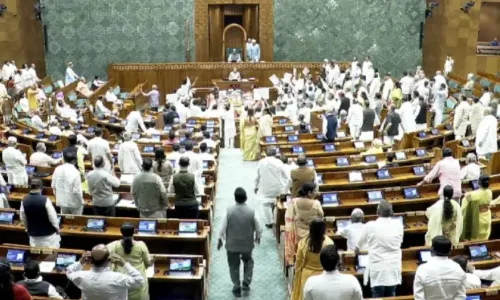
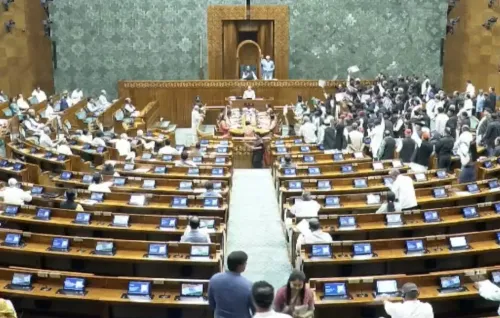
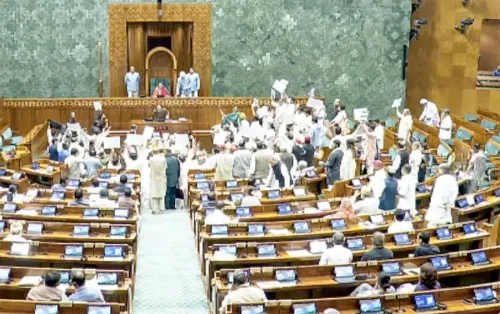
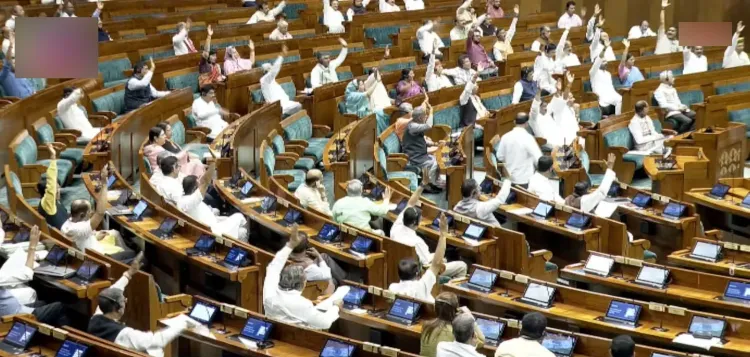
The Lok Sabha on Friday, 31 July cleared the Registration of Births and Deaths (Amendment) Bill through a voice vote, even as Opposition members flooded the Well of the House with slogans and placards, bringing legislative proceedings to the edge of disorder. The bill was moved by Minister of State for Home Affairs Nityanand Rai and passed within minutes, without substantive debate.
What the Bill Changes
The amendment tightens the rules for delayed registration of births and deaths. Under the revised framework, if a birth or death is reported to the Registrar more than one year but within two years after the event, registration will require prior approval from the District Magistrate, Sub-Divisional Magistrate (SDM), or an Executive Magistrate authorised by the District Magistrate. The stated objective is to make delayed registration more stringent and to encourage timely reporting across the country.
What Triggered the Opposition Walkout
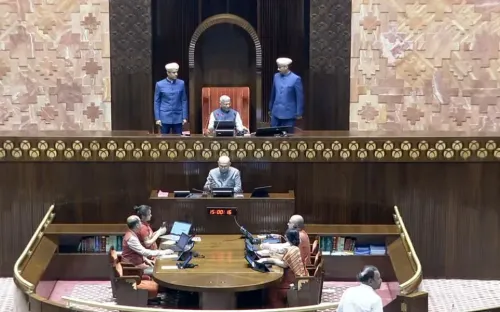
The disruptions were not directed at the bill itself. Opposition benches escalated pressure on the National Democratic Alliance (NDA) government on two separate flashpoints: the alleged theft of donations at the Ram Temple in Ayodhya, and demands for accountability from Home Minister Amit Shah over reported police action against students protesting the NEET paper leak in the national capital. Chants of 'Sadan mein aao' — urging the Home Minister to come to Parliament — echoed through the chamber even as the presiding officer, Dilip Saikia, attempted to steer proceedings.
Government Pushes Back on Disruption
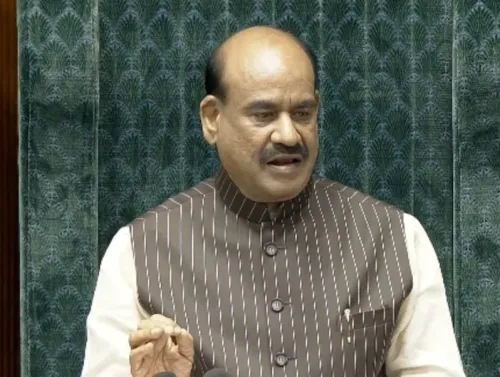
Parliamentary Affairs Minister Kiren Rijiju rose to rebuke the Opposition's conduct, asserting that the bill had been discussed and cleared by the Business Advisory Committee (BAC) — the body that sets the House agenda — before being brought to the floor. He argued that the Opposition's decision to disrupt rather than debate undermined its own public credibility. 'People have sent you to the Parliament for discussing and deliberating on key legislative issues and framing laws. You don't engage in discussion on legislation, then go in public claiming that the government is bulldozing the Bill through the House,' Rijiju said. 'This is not correct, you should participate in discussion,' he added. Dilip Saikia echoed the caution, warning that such conduct sets a damaging precedent before the nation and urging members toward constructive dialogue.
House Adjourned Till Monday
With the disruptions showing no sign of abating, the Chair adjourned the Lok Sabha till Monday morning. The adjournment leaves several other items of legislative business in limbo. This is the latest in a series of washouts during the current session, with the Opposition and the treasury benches locked in a standoff over multiple political controversies running simultaneously.
The passage of the bill, however incomplete in terms of parliamentary process, means the tighter birth and death registration norms will now move toward implementation. How effectively the new District Magistrate approval mechanism is operationalised across states — particularly in rural areas with historically low registration rates — will determine the amendment's real-world impact.
Point of View
Access to welfare, and legal rights deserved more than a voice vote in a shouting match. The Opposition's choice to weaponise the session over NEET and the Ram Temple, rather than engage on the bill's merits, handed the government a clean escape from legislative accountability. Both sides, in effect, failed the public on this one.
NationPress
31 Jul 2026
Frequently Asked Questions
What does the Registration of Births and Deaths Amendment Bill change?
The bill makes delayed registration stricter: any birth or death reported more than one year but within two years of occurrence will now require approval from the District Magistrate, SDM, or an authorised Executive Magistrate before it can be registered. The aim is to encourage timely reporting and reduce fraudulent or backdated registrations.
Why did the Opposition disrupt Lok Sabha proceedings on 31 July?
The Opposition was not protesting the bill itself. Members were demanding a debate on the alleged theft of donations at the Ram Temple in Ayodhya and seeking accountability from Home Minister Amit Shah over reported police action against students protesting the NEET paper leak in New Delhi.
Was the bill debated before being passed?
No. The bill was passed through a voice vote within minutes of being moved, without any floor discussion. Parliamentary Affairs Minister Kiren Rijiju noted it had been cleared by the Business Advisory Committee, but Opposition disruptions prevented any substantive debate on the legislation.
Why was the Lok Sabha adjourned till Monday?
The House was adjourned after repeated attempts by presiding officer Dilip Saikia to restore order failed. Opposition members continued sloganeering and entering the Well of the House, making it impossible to conduct further legislative business on Friday.
Who is responsible for implementing the new birth and death registration rules?
Implementation will rest with District Magistrates and Sub-Divisional Magistrates at the district level across all states. Births or deaths reported between one and two years after occurrence will now require their explicit approval before registration is permitted.