Why is the Lok Sabha Facing Opposition Over Hindi Imposition and Gandhi’s Name Removal?
Click to start listening
Synopsis
The Lok Sabha is embroiled in controversy as opposition parties challenge the Viksit Bharat Bill, which proposes significant changes to rural employment guarantees. With strong objections to the imposition of Hindi and the removal of Mahatma Gandhi's name, this debate highlights the tension between regional identities and central mandates.
Key Takeaways
- Opposition Critique: Opposition members strongly oppose the Bill, citing cultural imposition.
- Significant Changes: The Bill aims to increase the number of guaranteed workdays from 100 to 125.
- Funding Alterations: A new funding ratio will be introduced, impacting state contributions.
- Historical Context: MGNREGA has significantly enhanced rural employment since 2005.
- Political Tension: The debate highlights the ongoing conflict between central directives and regional identities.
New Delhi, Dec 17 (NationPress) The Lok Sabha faced intense backlash from opposition party members during the debate concerning the Viksit Bharat – Guarantee for Rozgar and Ajeevika Mission (Gramin) (VB-G RAM G) Bill, 2025. This proposed legislation aims to abolish the Mahatma Gandhi National Rural Employment Guarantee Act (MGNREGA), 2005, while introducing a new rural employment structure that guarantees 125 days of paid work each year, an increase from the previous 100 days.
Presented by Union Agriculture and Farmers Welfare Minister Shivraj Singh Chouhan on December 16 amidst protests, the Bill is in line with the “Viksit Bharat @2047 vision,” emphasizing critical infrastructure such as water security, rural connectivity, and climate resilience, coupled with improved digital oversight and scheme integration.
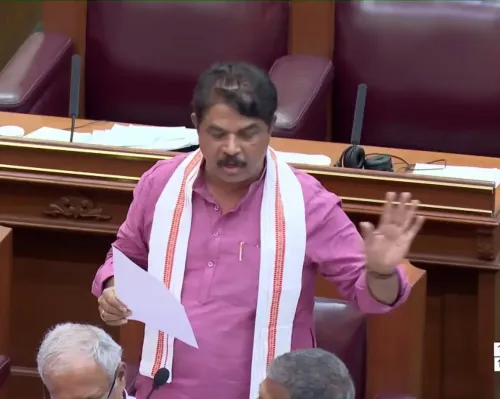
DMK MP K Kanimozhi vehemently criticized the Bill's title, expressing that it “vexes” her. She stated, “This is merely an imposition of Hindi on non-Hindi speaking states. Time and again, the Central government seeks ways to enforce Hindi or Sanskrit onto regional states,” stressing the importance of cultural and linguistic federalism.
Trinamool Congress MP Mahua Moitra shared similar sentiments, accusing the government of politicizing the scheme by incorporating Lord Ram's name. She questioned, “Why change the name? It makes no sense. They are communalising it by invoking Lord Ram,” and emphasized, “This initiative is not for Ram or Rahim.”
Moitra also called for the disbursement of overdue MGNREGA funds for West Bengal, claiming that the Centre is “now repealing the Bill entirely” after delaying payments.
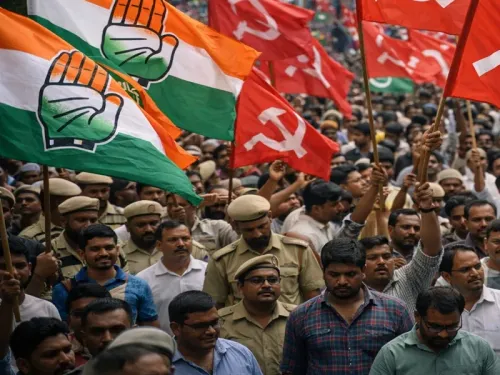
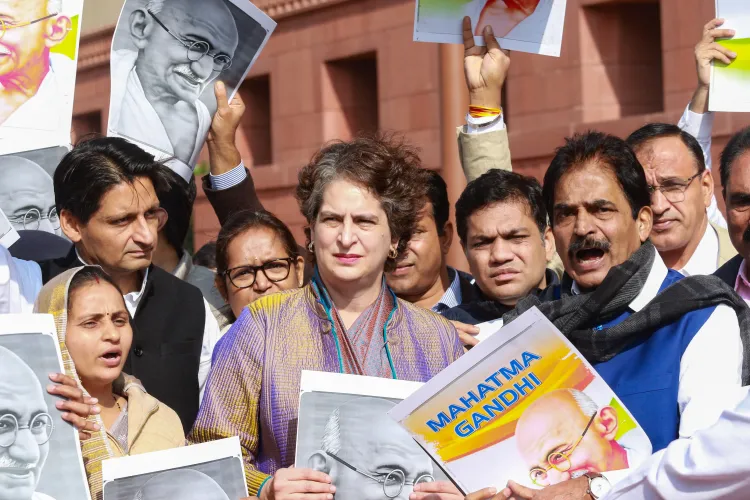
Opposition members, including Congress leaders like Priyanka Gandhi, praised MGNREGA's achievements since 2005 in fostering significant rural employment, protesting against the removal of Mahatma Gandhi's name, labeling it an “insult” to the Father of the Nation and urging for widespread protests.
Conversely, TDP MP Lavu Sri Krishna Devarayalu endorsed the Bill as “just another iteration” of pre-2005 initiatives like the Jawahar Rozgar Yojana. He stated, “It's fundamentally the same with minor modifications,” welcoming the extension to 125 days as a positive advancement.
The Bill proposes alterations such as a 60:40 Centre-State funding ratio (90:10 for Northeast and Himalayan states), seasonal pauses during peak agricultural periods, and standardized allocations.
While the government defends it as a modernization of rural livelihoods, opponents express concerns over the dilution of rights-based guarantees and the additional strain on states.
Point of View
The debate surrounding the Viksit Bharat Bill exemplifies the ongoing tension between federalism and central mandates. While the government's aim to modernize rural employment is commendable, the opposition's concerns about cultural imposition and the significance of Mahatma Gandhi's legacy cannot be overlooked. As the nation navigates these discussions, it is essential to strike a balance that respects regional identities while pursuing developmental goals.
NationPress
17/12/2025
Frequently Asked Questions
What is the Viksit Bharat Bill?
The Viksit Bharat Bill seeks to repeal the MGNREGA, 2005, and introduce a new framework for rural employment, ensuring 125 days of wage work annually.
Why are opposition members criticizing the Bill?
Opposition members argue that the Bill imposes Hindi on non-Hindi speaking states and disrespects Mahatma Gandhi by removing his name from the rural employment guarantee.
What changes does the Bill propose?
The Bill proposes a new rural employment structure with increased workdays, changes in funding ratios, and seasonal pauses during peak agricultural periods.
How has MGNREGA impacted rural employment?
Since its inception, MGNREGA has played a vital role in generating widespread rural employment, providing financial security to millions of households.
What are the potential implications of this Bill?
The Bill raises concerns about the dilution of rights-based guarantees and could place additional burdens on state governments to meet employment needs.