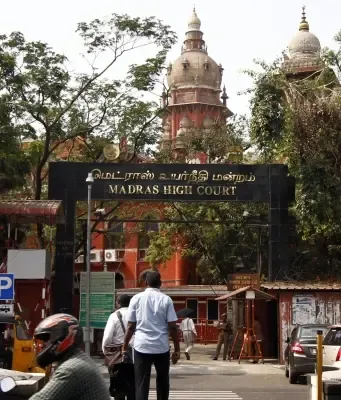
Madras HC slams children's role in TVK election campaigning as 'distasteful'
Synopsis
The Madras High Court delivered a stinging rebuke of TVK's use of children in election campaign reels, calling it 'distasteful' and poor parenting — yet still rejected the election petition against MLA K. Sivakumar because the conduct did not legally constitute 'undue influence.' The court's parting shot: Parliament must now decide whether such practices should be banned outright.
Key Takeaways
The Madras High Court on 16 October 2026 called involving children in TVK election reels 'distasteful', 'undignified', and a sign of poor parenting.
Bharatha Chakravarthy rejected the election petition challenging MLA K.
Sivakumar's victory from Salem North in the 2026 Assembly elections.
The court found the activity did not legally amount to 'undue influence' under the Representation of the People Act , as adults — not children independently — created and promoted the reels.
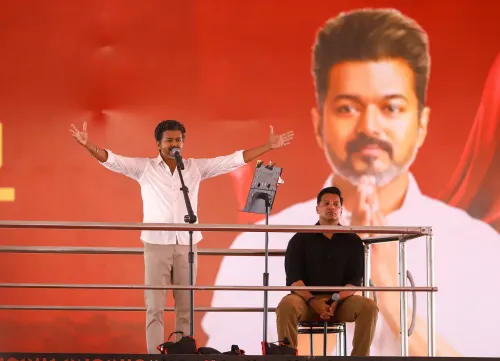
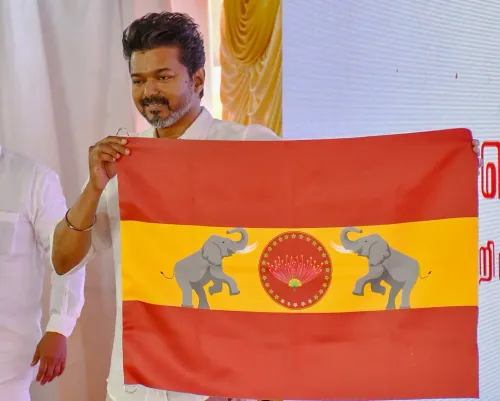
TVK chief Joseph Vijay had allegedly appealed to children to persuade family members to vote for TVK and its Whistle symbol.
The court said whether child participation in campaigns should be prohibited or made grounds for voiding elections is a matter for Parliament to decide.
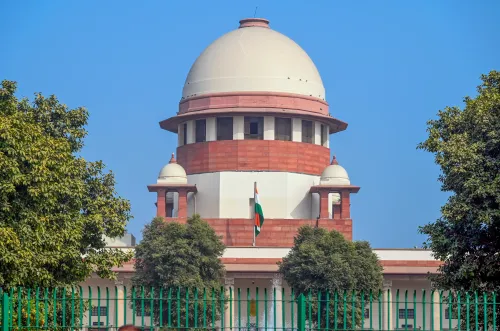
The Madras High Court on 16 October 2026 sharply criticised the involvement of children in election campaigning for Tamilaga Vettri Kazhagam (TVK), describing social media reels featuring children seeking votes for TVK chief Joseph Vijay as politically motivated, undignified, and a reflection of poor parenting. The observations came while the court rejected an election petition challenging the victory of TVK MLA K. Sivakumar from the Salem North Assembly constituency.
What the Court Said
Justice D. Bharatha Chakravarthy made the remarks while allowing an application by MLA K. Sivakumar seeking rejection of the petition that challenged his win in the 2026 Assembly elections. The court was unambiguous: neither political parties nor their candidates can involve children in any election-related activity. 'Producing campaign reels using children was both undignified and politically motivated,' Justice Bharatha Chakravarthy observed.
The court further noted that allowing children to participate in such campaigns was a reflection of poor parenting on the part of the adults responsible.
The Allegations in the Petition
According to the election petition, TVK chief Joseph Vijay had directly appealed to children to persuade their parents and other family members to vote for the TVK and its Whistle symbol. The petition alleged that multiple social media reels subsequently appeared showing children pressuring parents and grandparents to cast their votes in TVK's favour.
The court noted a crucial factual detail: the children involved did not possess their own mobile phones and could not independently create reels. It was adults at home who had shown them the political leader's appeal, encouraged the activity, created the reels, and promoted them online.
The Legal Question: Was It 'Undue Influence'?
The core legal question before the court was whether a political leader campaigning among children and asking them to persuade their parents amounted to exercising 'undue influence' under the Representation of the People Act. The court referred to the Supreme Court's detailed examination of the issue in the Shiv Kirpal Singh case.
Ultimately, the court held that the conduct could not be regarded as a scenario in which children independently overrode the decision-making freedom of adults. At most, it could be viewed as an attempt to persuade adults to vote for a particular party — not undue influence in the legal sense, which led to the election petition being rejected.
A Broader Policy Question
Notably, Justice Bharatha Chakravarthy acknowledged the wider societal dimension: children exert influence over families in both consumer decisions and political attachments — a phenomenon debated globally. The court pointed out that just as parents shape children's views, children also influence the adults around them.
Whether the use of children in campaigns should be explicitly prohibited or made a ground for setting aside an election, the court said, is a broader issue that Parliament must consider — signalling a legislative gap that lawmakers may now need to address.
What Happens Next
With the election petition against MLA K. Sivakumar rejected, his victory from Salem North stands. However, the court's strong remarks on child participation in political campaigns could prompt civil society groups and opposition parties to push for legislative or Election Commission guidelines on the practice. The ball, as the court explicitly noted, is now in Parliament's court.
Frequently Asked Questions
What did the Madras High Court say about TVK's use of children in election campaigns?
The Madras High Court called the practice 'distasteful', 'undignified', and politically motivated, saying it reflected poor parenting. Justice D. Bharatha Chakravarthy stated that neither political parties nor their candidates can involve children in any election-related activity.
Was the election petition against TVK MLA K. Sivakumar upheld?
No. The court rejected the election petition, allowing MLA K. Sivakumar's victory from the Salem North Assembly constituency in the 2026 elections to stand. The court found the alleged conduct did not amount to 'undue influence' under the Representation of the People Act.
Why did the court find no 'undue influence' despite criticising the reels?
The court noted that the children involved did not own mobile phones and could not independently create reels — adults at home facilitated the entire exercise. It therefore concluded that children had not independently overridden the decision-making freedom of adult voters, which is the legal threshold for undue influence.
What was TVK chief Joseph Vijay alleged to have done?
The election petition alleged that Vijay directly appealed to children to persuade their parents and other family members to vote for TVK and its Whistle symbol, after which social media reels emerged showing children urging elders at home to support the party.
What broader action did the court suggest on child participation in campaigns?
The court said whether involving children in political campaigns should be explicitly prohibited or made a ground for setting aside an election is a larger policy question that Parliament needs to consider, highlighting a gap in current electoral law.