Madras HC closes PIL on student political activities after TN issues school ban
Synopsis
The Tamil Nadu government's swift issuance of a circular banning political programmes in schools — just days before the Madras High Court hearing — effectively rendered an AIADMK functionary's PIL moot. The case, which alleged students were being made to raise slogans like 'Vijay Anna', was withdrawn on 13 July after the court recorded the state's compliance, but multiple similar petitions remain pending.
Key Takeaways
The Madras High Court on 13 July 2026 allowed withdrawal of a PIL challenging political activities involving school students in Tamil Nadu .
The Tamil Nadu government issued a circular on 10 July 2026 prohibiting political programmes in schools.
Advocate General Vijay Narayan confirmed the state had already acted to keep educational institutions free from political activities.
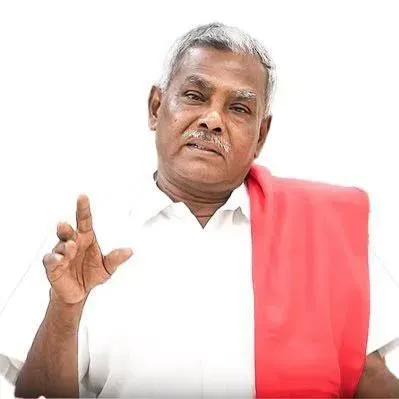
The PIL was filed by AIADMK functionary V.P.B.
Paramasivam of Dindigul , alleging students were compelled to participate in political rallies and raise slogans including 'Vijay Anna' .
The petitioner had also written to the Union Ministry of Education on 30 June 2026 seeking an inquiry.
The Division Bench noted that similar petitions on the same issue are already pending before the High Court.
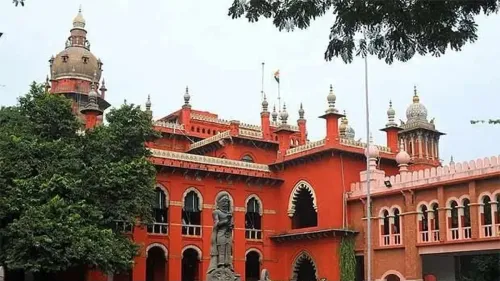
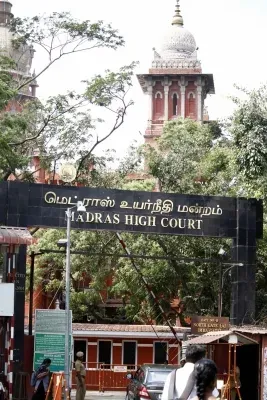
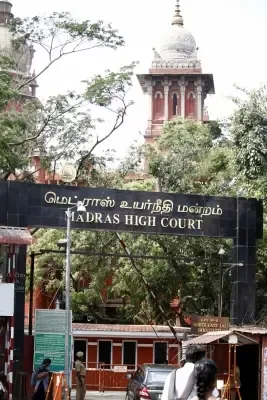
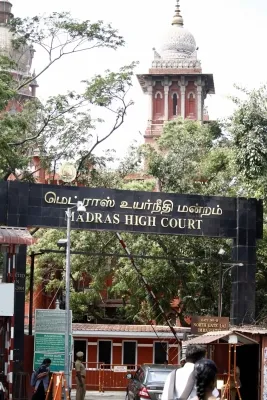
The Madras High Court on Monday, 13 July 2026, allowed an All India Anna Dravida Munnetra Kazhagam (AIADMK) functionary to withdraw a Public Interest Litigation (PIL) challenging the involvement of school and college students in political activities, after the Tamil Nadu government confirmed it had already issued a circular banning such programmes in schools. The PIL was formally dismissed as withdrawn, bringing the proceedings to a close.
Key Developments in Court
A Division Bench comprising Chief Justice S.A. Dharmadhikari and Justice G. Arul Murugan recorded the state's submission that a circular dated 10 July 2026 had been issued directing that political programmes be prohibited in schools. With the government having already acted, the petitioner sought and received permission to withdraw the case.
The Bench also flagged a procedural concern — noting that similar petitions raising the same issue were already pending before the High Court — and questioned the need for multiple proceedings on an identical subject.
What the Government Said
Advocate General Vijay Narayan informed the court that the state had taken concrete steps to ensure educational institutions remain free from political influence. The 10 July circular, he submitted, specifically prohibits political events on school premises, effectively addressing the core grievance raised in the PIL.
What the Petition Alleged
The PIL had been filed by V.P.B. Paramasivam, State Secretary of the AIADMK's Ilaingar Matrum Ilampengal Pasarai wing from Dindigul district. He alleged that students were being drawn into political rallies, slogan-raising, flag-bearing, and propaganda activities organised by political parties and their functionaries — diverting children from academic pursuits.
The petition specifically alleged that students attending certain events were encouraged or compelled to raise slogans including 'Vijay Anna' and 'Vijay Mama'. The petitioner contended that such practices violated children's constitutional rights, particularly under Articles 21A and 39(f) of the Constitution, which protect the right to education and the welfare of children respectively.
Reliefs Sought and Prior Representations
Before withdrawing, the petitioner had sought a range of judicial directions: prohibiting the use of students for political purposes, initiating disciplinary action against those responsible, framing comprehensive state-wide guidelines, and establishing a monitoring and grievance redressal mechanism.
The petitioner also informed the court that he had submitted a representation to the Union Ministry of Education on 30 June 2026, seeking an inquiry into the reported incidents. However, with the state's preventive circular already in place, he opted to withdraw the PIL rather than press for further judicial intervention.
What Happens Next
The Tamil Nadu government's 10 July circular now stands as the operative directive governing political activities in schools. Whether the circular will be uniformly enforced across the state — and whether the pending similar petitions before the High Court will proceed independently — remains to be seen. Civil society groups and opposition parties are likely to monitor implementation closely.
Point of View
The issue is far from resolved. The constitutional provisions cited — Articles 21A and 39(f) — carry genuine weight, and the broader pattern of students being drawn into political activity deserves scrutiny beyond a single withdrawn PIL.
NationPress
12 Oct 2026
Frequently Asked Questions
Why did the Madras High Court allow the withdrawal of the PIL on student political activities?
The court allowed the withdrawal because the Tamil Nadu government informed the bench that it had already issued a circular on 10 July 2026 prohibiting political programmes in schools. With the state having taken preventive action, the petitioner chose not to press the case further.
What did the Tamil Nadu government's 10 July 2026 circular say?
The circular, confirmed by Advocate General Vijay Narayan in court, directed that political programmes be prohibited in schools across Tamil Nadu. It was issued ahead of the Madras High Court hearing on 13 July 2026.
Who filed the PIL and what were the allegations?
The PIL was filed by V.P.B. Paramasivam, State Secretary of the AIADMK's Ilaingar Matrum Ilampengal Pasarai wing from Dindigul district. He alleged that students were being drawn into political rallies, slogan-raising, and flag-bearing activities, and specifically claimed students were encouraged to raise slogans such as 'Vijay Anna' and 'Vijay Mama'.
Which constitutional provisions were cited in the PIL?
The petitioner invoked Articles 21A and 39(f) of the Constitution, which protect children's right to education and their welfare respectively, arguing that involving students in political activities violated these guarantees.
Are there other similar cases pending before the Madras High Court?
Yes. The Division Bench comprising Chief Justice S.A. Dharmadhikari and Justice G. Arul Murugan noted during the hearing that similar petitions raising the same issue are already pending before the High Court, questioning the need for multiple proceedings on an identical subject.