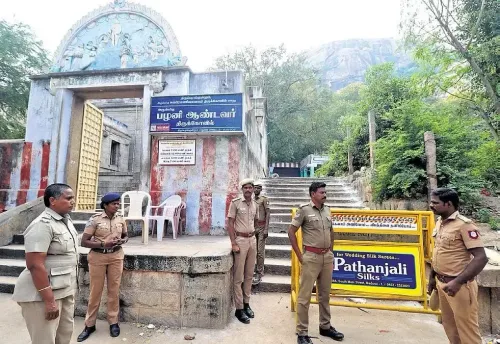
Is the Karthigai Deepam Ritual Facing Judicial Communalisation?
Synopsis
The Supreme Court has issued a notice in a PIL aimed at protecting judicial independence and preventing communalization of court orders. This follows controversial rulings by Justice Swaminathan related to the Deepam ceremony in Tamil Nadu. The case raises critical questions about judicial integrity and the influence of public sentiment on legal decisions.
Key Takeaways
Supreme Court issues notice in a PIL to protect judicial independence.
Concerns over the communalisation of judicial orders raised by recent rulings.
Public protests and political statements have challenged the integrity of the judiciary.
Judicial decisions must be respected and not subject to public pressure.
Legal frameworks exist to address unlawful assemblies and hate speech.
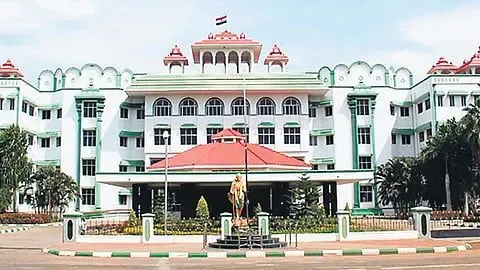
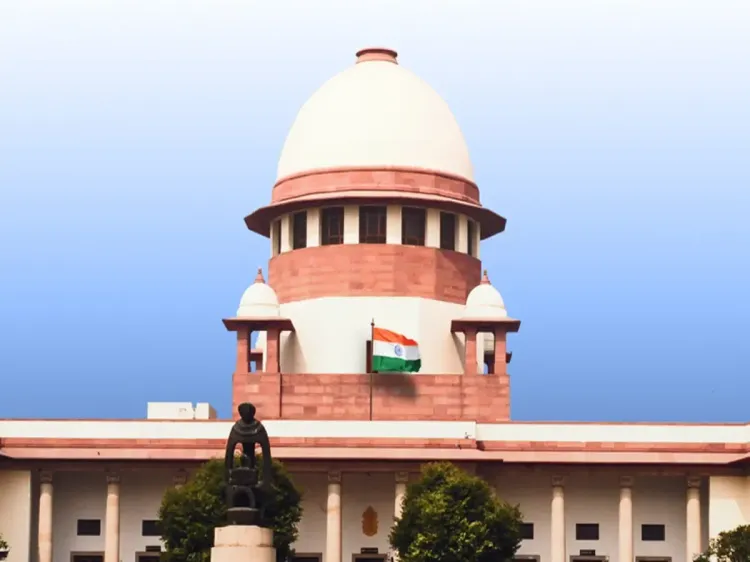
New Delhi, Jan 28 (NationPress) The Supreme Court on Wednesday issued a notice in a public interest litigation (PIL) aimed at securing urgent measures to safeguard the judiciary's independence and to deter the intimidation and communalisation of judicial orders. This comes on the heels of recent judgments by Justice G.R. Swaminathan from the Madras High Court, which allowed the time-honored Deepam ceremony at the Thiruparankundram temple in Madurai, Tamil Nadu.
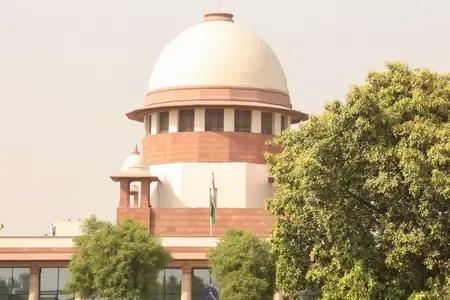
A Bench composed of Justices Aravind Kumar and P.B. Varale has requested responses from the Tamil Nadu Chief Secretary, the Home Secretary, the Director General of Police (DGP), and the Commissioner of Police in Chennai regarding the matter.
“Issue notice. The learned standing counsel for the State of Tamil Nadu acknowledges receipt of notice and is allowed to submit a status report concerning any steps taken in response to representations made by the petitioner-in-person,” ordered the Justice Kumar-led Bench, scheduling further discussions for February 2 (Monday).
The PIL, submitted by advocate G.S. Mani under Article 32 of the Constitution, clarified that it was not intended to defend any specific judge, but rather “to uphold the institution of judiciary, ensure the rule of law, prevent communal polarisation, and guarantee uniform implementation of constitutional standards nationwide.”
Pointing to the uproar following Justice Swaminathan’s directives concerning the Thiruparankundram Deepam ceremony, the petitioner contends that extensive public reactions—including political statements, protests, lawyer demonstrations, and social media campaigns—have “exceeded the constitutionally acceptable boundaries of criticism and crossed into scandalising the judiciary, communalising judicial acts, and disrupting justice administration.”
The petition emphasizes that judges should not face pressure through street protests or online hostility regarding their judicial choices, asserting that “the only constitutionally recognized remedy against a judicial decision is through appeal, review, or other lawful avenues.”
The PIL warns that permitting such campaigns against active judges could create a “chilling effect” on judicial independence and dissuade judges from performing their duties without fear.
The plea highlights that presenting a judicial ruling as religiously motivated “diminishes public confidence in constitutional courts and empowers mob-driven justice,” hence posing a genuine and imminent risk to public order and communal harmony in Tamil Nadu.
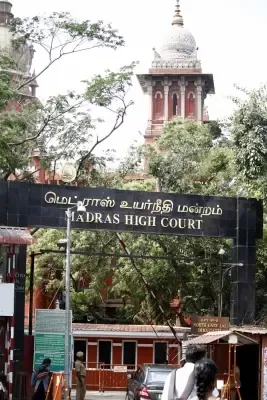
Despite existing legal frameworks under the Bharatiya Nyaya Sanhita, the Information Technology Act, and the Contempt of Courts Act, the petitioner claims that no effective preventive or corrective measures have been implemented to curb unlawful gatherings near Madras High Court or online hate speech targeting Justice Swaminathan, a constitutional authority.
The petitioner noted that comprehensive representations were submitted to the Tamil Nadu Chief Secretary, Home Secretary, DGP, senior police officials, and the Registrar General of the Madras High Court, but “to date, there has been no reply, response, or action” concerning these representations.
Seeking the apex court's intervention, the PIL calls for directions to prohibit unlawful protests against courts and judges, protect judicial independence from political and communal pressures, ensure action against hate speech and the communalisation of judicial rulings, and direct law enforcement to maintain public order and constitutional integrity.
Point of View
The ongoing discourse around judicial independence is pivotal. The Supreme Court's decision to address these concerns through the PIL signifies a broader commitment to uphold the rule of law while navigating the complexities of public sentiment. It's essential to protect the judiciary from undue influences, ensuring that justice remains impartial and constitutionally grounded.
NationPress
30 Sept 2026
Frequently Asked Questions
What is the main purpose of the PIL?
The PIL aims to protect the independence of the judiciary and prevent the communalisation of judicial orders.
What triggered the PIL?
The PIL was triggered by controversial rulings by Justice G.R. Swaminathan regarding the Deepam ceremony at the Thiruparankundram temple.
What are the potential consequences of communalising judicial orders?
Communalising judicial orders can undermine public trust in the judiciary and lead to mob-driven justice.
What measures are being sought in the PIL?
The PIL seeks directions to prevent unlawful protests against judges, protect judicial independence, and ensure actions against hate speech.