Maharashtra Cabinet Takes Decisions on Rural Development, Panchayati Raj
Synopsis
The Chief Minister's Office of Maharashtra announced cabinet decisions on Gram Vikas and Panchayati Raj on 28 July 2026, tagging CM Devendra Fadnavis. Specific measures are yet to be detailed in official government resolutions.
Key Takeaways
Maharashtra's cabinet took decisions on Gram Vikas (village development) and Panchayati Raj on 28 July 2026 .
The announcement was made by the Chief Minister's Office on X, tagging Chief Minister Devendra Fadnavis .
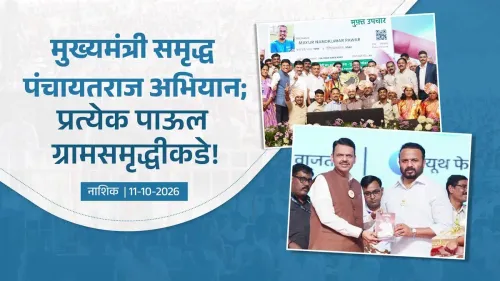
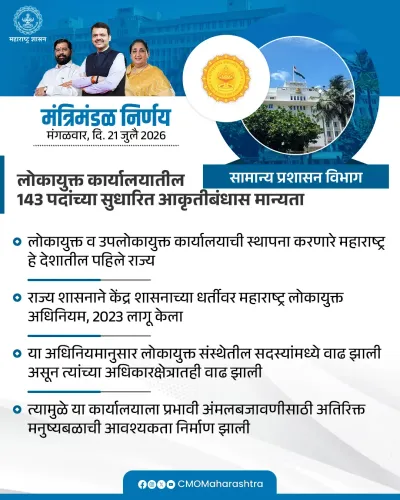
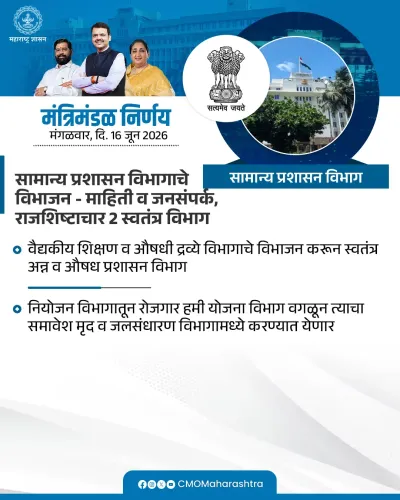
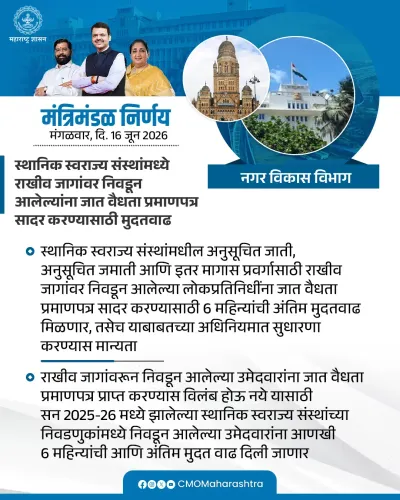
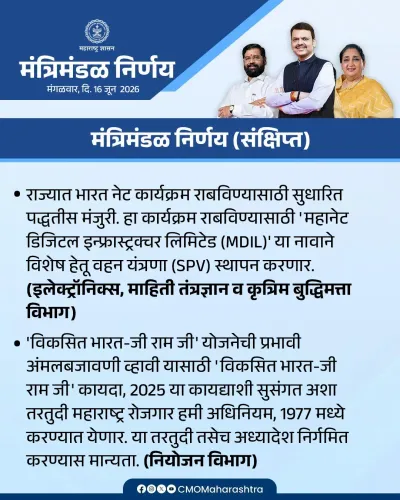
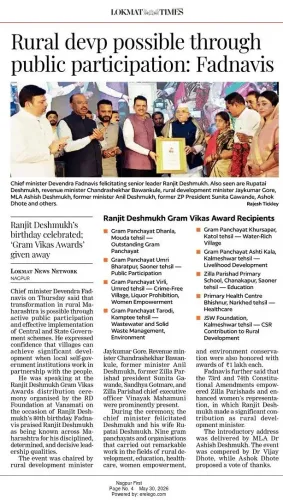
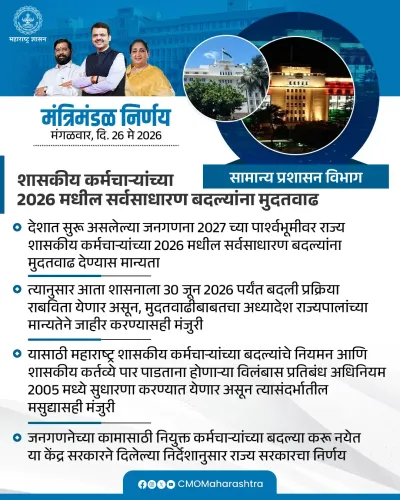
Three official images were posted, suggesting release of cabinet decision documents.
Specific measures approved were not disclosed in the social media post; detailed government resolutions are awaited.
Panchayati Raj decisions in Maharashtra operate under the framework of the 73rd Constitutional Amendment Act of 1992 .
Rural governance in Maharashtra moved to the cabinet table on Tuesday, 28 July 2026, as the state government announced decisions on Gram Vikas (village development) and Panchayati Raj — two pillars of local self-governance that directly shape life for millions in the state's rural heartland.
The Chief Minister's Office of Maharashtra posted the announcement on X, tagging Chief Minister Devendra Fadnavis and using the official hashtag #मंत्रिमंडळनिर्णय (Cabinet Decision). The post was accompanied by three images, indicating the release of official cabinet decision documents — though the specific measures approved were not detailed in the social media announcement.
Fadnavis and the Panchayati Raj Mandate
Devendra Fadnavis, the Bharatiya Janata Party leader serving as Maharashtra's Chief Minister, has made rural governance a recurring policy focus across his tenures. Cabinet decisions on Panchayati Raj institutions typically address funding allocations, scheme implementation, and the operational powers of Gram Panchayats — the village-level bodies that sit at the base of India's three-tier local governance architecture.
That architecture was constitutionally entrenched by the 73rd Constitutional Amendment Act of 1992, which mandated Panchayati Raj institutions across India and gave state governments the framework to devolve functions, funds, and functionaries to the grassroots. Maharashtra's periodic cabinet decisions in this domain are part of an ongoing effort to operationalise that mandate at scale.
What the Decisions Could Cover
While the exact measures approved remain to be detailed in official government resolutions, cabinet decisions on Gram Vikas and Panchayati Raj in Maharashtra have historically covered areas such as grants to village bodies, rural infrastructure schemes, staffing of panchayat offices, and alignment with centrally-sponsored programmes. The release of detailed government orders will clarify the scope of Tuesday's decisions.
With Maharashtra home to tens of thousands of gram panchayats spanning its vast rural geography, decisions at the cabinet level carry direct consequence for local elected representatives, village administrators, and the communities they serve.
The full text of the cabinet decisions is expected to be published through official government channels — and that detail will determine whether Tuesday's meeting marks routine administrative upkeep or a more significant shift in how Maharashtra's villages are governed.
Point of View
But they are the machinery through which constitutional promises to rural India either gain traction or stall. For the Fadnavis government, signalling activity on gram vikas fits a broader BJP pattern of positioning rural governance as a development deliverable ahead of electoral cycles. The real test will be in the government resolutions that follow — whether they devolve genuine resources to gram panchayats or remain procedural. Maharashtra's rural local bodies have historically struggled with fund flow and functional autonomy, making the specifics of these decisions consequential beyond the announcement.
NationPress
27 Oct 2026
Frequently Asked Questions
What cabinet decisions did Maharashtra take on 28 July 2026?
The Maharashtra cabinet took decisions related to Gram Vikas (village development) and Panchayati Raj on 28 July 2026. The specific measures are yet to be detailed in official government resolutions.
Who is Devendra Fadnavis?
Devendra Fadnavis is a Bharatiya Janata Party leader who has served multiple terms as Chief Minister of Maharashtra, including his current tenure.
What is the 73rd Constitutional Amendment and why does it matter for Panchayati Raj?
The 73rd Constitutional Amendment Act of 1992 created a three-tier Panchayati Raj system across India, mandating devolution of powers to gram panchayats, panchayat samitis, and zila parishads. State cabinet decisions on Panchayati Raj operate within this constitutional framework.
Where can I find the full details of Maharashtra's cabinet decisions on Panchayati Raj?
The Maharashtra government is expected to release detailed Government Resolutions (GRs) through official state government channels, which will spell out the exact measures approved.
How many gram panchayats are there in Maharashtra?
Maharashtra has tens of thousands of gram panchayats across its rural districts, making state-level Panchayati Raj decisions significant for a large portion of the state's population.