Maharashtra drought: Dy CM Shinde vows full support for farmers in Vidarbha, Marathwada
Synopsis
Maharashtra Deputy CM Eknath Shinde personally toured drought-hit Satara on Ganeshotsav, pledging state support for scorched farms in Vidarbha and Marathwada — but with NCP chief Sharad Pawar publicly demanding a formal drought declaration on nine counts, the government's reassurances alone may not hold the political or agrarian ground for long.
Key Takeaways
Deputy Chief Minister Eknath Shinde visited Dare, Satara district on 18 September 2026 and pledged full government support for drought-affected farmers.
Dry spells have damaged standing crops in Vidarbha and Marathwada ; crop loss assessments ( panchnamas ) are underway.
Shinde held a video conference with Osmanabad (Dharashiv) Guardian Minister Pratap Sarnaik , MP Omraje Nimbalkar , and the district collector to review the crisis.
NCP chief Sharad Pawar wrote to CM Devendra Fadnavis demanding a formal drought declaration and immediate relief on nine points .
Crops including soybean, cotton, bajra, maize, tur, moong, and udid have withered, with pest infestations compounding losses, according to Pawar's letter.
Shinde confirmed he will personally visit drought-hit zones shortly and said the Mahayuti government will let its work speak over political rhetoric.
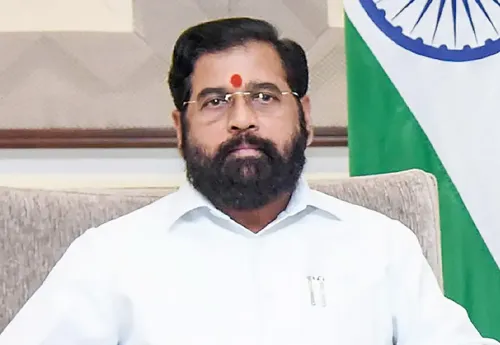
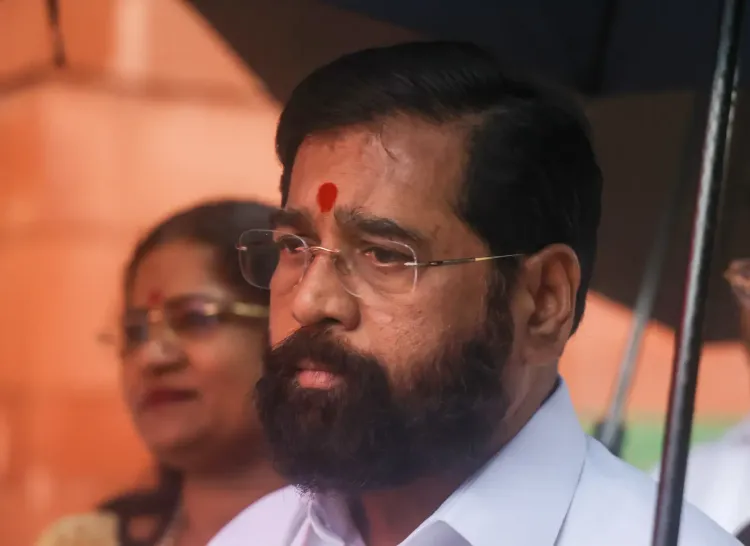
Deputy Chief Minister Eknath Shinde on Friday, 18 September assured farmers across drought-affected districts of Maharashtra that the government will not abandon them, pledging full state support amid severe crop damage caused by prolonged dry spells. Shinde made the remarks while visiting his native village Dare in Satara district for the Ganeshotsav festival, where he also reviewed the state's overall rainfall situation.
Ground Reality: Crops Scorched in Vidarbha and Marathwada
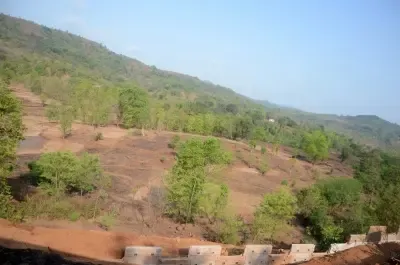
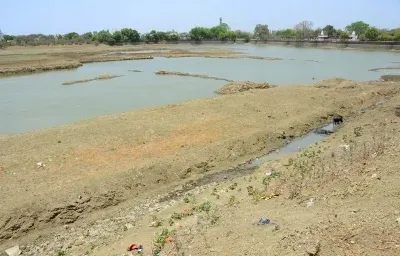
Shinde acknowledged that dry spells have severely damaged standing crops in parts of Vidarbha and Marathwada. Crop loss assessments — known as panchnamas — are currently underway to determine the extent of damage and ensure that relief aid is distributed based on verified, actual losses rather than estimates.
He held a video conference with Osmanabad (Dharashiv) Guardian Minister Pratap Sarnaik, Member of Parliament Omraje Nimbalkar, and the district collector to review the evolving crisis. District guardian ministers are reportedly touring affected areas, and Shinde confirmed he will personally inspect drought-hit zones in the near future to engage directly with the farming community.
Pawar's Demand for Drought Declaration Adds Political Pressure
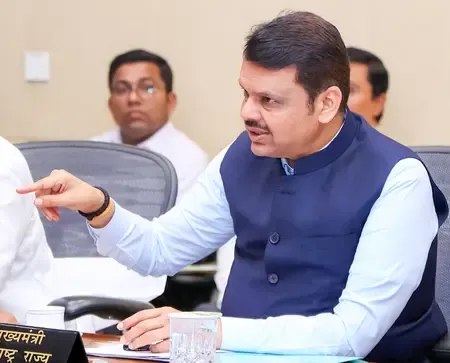
The Deputy Chief Minister's visit and remarks come in direct response to growing political pressure from the opposition. Nationalist Congress Party (NCP) chief Sharad Pawar wrote a detailed letter to Maharashtra Chief Minister Devendra Fadnavis, highlighting the state's agrarian crisis and demanding immediate intervention on nine key points. Pawar uploaded the letter on X (formerly Twitter) on Friday, calling on the government to formally declare a drought and release immediate relief.
In his letter, Pawar noted: 'Due to the failure of rains across most parts of the state this year, the farming community is facing a massive crisis. Standing crops such as soybean, cotton, pearl millet (bajra), maize, pigeon pea (tur), green gram (moong), and black gram (udid) have withered, compounded by increased pest infestations. Consequently, the situation regarding agriculture, drinking water, and fodder supply is set to worsen.'
Pawar's letter follows Chief Minister Fadnavis's recent pledge to make Marathwada drought-free, made on the occasion of Marathwada Liberation Day — an aspiration that critics argue is being tested by this season's deficient monsoon.
Shinde Dismisses Critics, Highlights Farm Experiments
Dismissing opposition criticism of his frequent visits to his home village, Delhi, or London, Shinde responded with characteristic sharpness. 'Whenever I visit my home village, political rivals suffer from stomach aches. I will now have to look for a medicinal plant or prescribe Jamalgota (a traditional laxative) to cure their indigestion. I am a man of action and will answer criticism through my work, not words,' he said.
Shinde also used the occasion to mark World Bamboo Day at his farm in Dare, where he has experimented with cultivating imported crops including blueberries, along with camphor and asafoetida (hing). He highlighted bamboo's versatile applications in producing ethanol, modern infrastructure, and commercial goods, urging large-scale bamboo cultivation alongside environmental conservation during the festive season.
What Happens Next
The completion of panchnamas will be critical in determining relief disbursement timelines. With Pawar demanding a formal drought declaration and Mahayuti government officials insisting work is already underway, the agrarian crisis in Marathwada and Vidarbha is set to remain a politically charged issue ahead of upcoming legislative sessions. Farmers growing water-intensive crops such as soybean and cotton face the steepest losses if rains continue to remain deficient.
Point of View
The government's insistence on assessment-first relief risks arriving too late. Pawar's public letter — uploaded on X for maximum visibility — is a calculated pressure tactic ahead of likely legislative scrutiny. Fadnavis's own Marathwada Liberation Day pledge to make the region drought-free now looks aspirational against a backdrop of failing rains and wilting crops. The real accountability test will be how quickly panchnama results are converted into farmer accounts, not how many officials tour the fields.
NationPress
18 Sept 2026
Frequently Asked Questions
What has the Maharashtra government promised drought-hit farmers?
Deputy Chief Minister Eknath Shinde on 18 September pledged that the Mahayuti government will not abandon farmers in drought-affected areas and will provide full support. Crop loss assessments (panchnamas) are currently underway in Vidarbha and Marathwada to determine relief amounts based on actual damage.
Which crops have been damaged by the dry spells in Maharashtra?
According to NCP chief Sharad Pawar's letter to Chief Minister Devendra Fadnavis, crops including soybean, cotton, pearl millet (bajra), maize, pigeon pea (tur), green gram (moong), and black gram (udid) have withered due to deficient rainfall, further compounded by increased pest infestations.
What has Sharad Pawar demanded from the Maharashtra government?
Pawar wrote a detailed letter to CM Fadnavis demanding a formal drought declaration and immediate relief aid on nine key points, citing a severe agrarian crisis caused by erratic monsoon rains. He also raised urgent concerns about drinking water shortages and fodder scarcity for livestock.
Which regions of Maharashtra are worst affected by the drought?
Parts of Vidarbha and Marathwada are the worst-affected regions, with Deputy CM Shinde specifically acknowledging scorched standing crops in these areas. Shinde held a video conference with Osmanabad (Dharashiv) officials and confirmed he will personally inspect drought-hit zones shortly.
What is the political context around Maharashtra's drought crisis?
The crisis has become politically charged, with the NCP opposition pressing for a formal drought declaration while the ruling Mahayuti coalition insists that ground assessments and relief distribution are already underway. CM Fadnavis had pledged to make Marathwada drought-free on Marathwada Liberation Day, a statement now under scrutiny given the severity of this season's rainfall deficit.