Maharashtra bans analogue paneer; violators face jail, ₹1 lakh fine
Synopsis
Maharashtra has banned analogue paneer outright — making it only the second Indian state to do so after Chhattisgarh. The order, signed by Food Safety Commissioner Tukaram Mundhe on 30 July, carries teeth: violators face up to six months in jail and a ₹1 lakh fine, rising to life imprisonment if a death results. With legislators having pushed for this ban in the Assembly last year, the move signals growing state-level pressure for a national crackdown on fake dairy products.
Key Takeaways
Maharashtra has banned the manufacture, sale, storage, and distribution of analogue paneer with immediate effect from 30 July .
The state is now the second in India to impose such a ban, after Chhattisgarh .
The order was issued by Food Safety Commissioner Tukaram Mundhe under the Food Safety and Standards Act, 2006 .
Violators face up to 6 months imprisonment and a fine of up to ₹1 lakh ; deaths linked to unsafe food can attract life imprisonment and a minimum ₹10 lakh fine .
Analogue paneer replaces dairy fat with palm oil and starches, lacking the protein, calcium, and vitamins of genuine dairy paneer.
The ban follows demands raised in the Maharashtra Legislative Assembly last year by multiple legislators.
The Maharashtra government has imposed a sweeping ban on analogue paneer — artificial or non-dairy cottage cheese — prohibiting its manufacture, sale, storage, transportation, distribution, and processing across the state, effective immediately. The order, issued by Food Safety Commissioner Tukaram Mundhe on 30 July, makes Maharashtra only the second state in India, after Chhattisgarh, to outlaw the product entirely.
Scope of the Ban
The prohibition covers every stage of the supply chain — from manufacturing and processing to packing, wholesale, retail, and even the offering for sale of analogue or non-dairy cheese anywhere in the state. The Food and Drug Administration (FDA) has clarified that any individual or business selling analogue paneer while misrepresenting it as genuine dairy cheese will be treated as having misled consumers and engaged in unfair trade practices under the Food Safety and Standards Act, 2006.
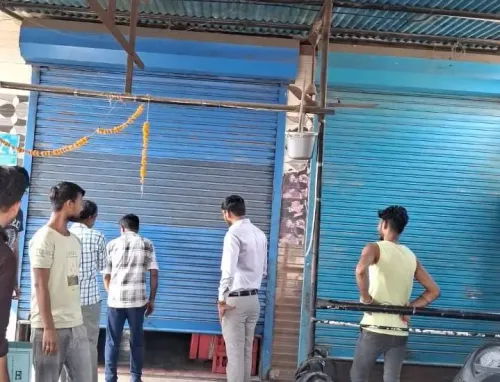
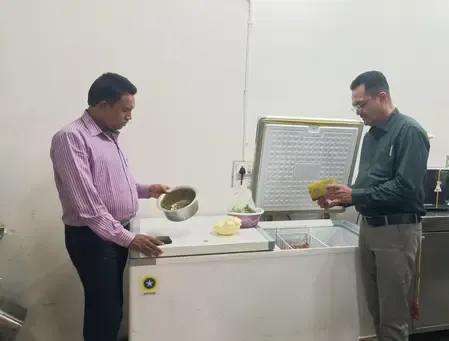
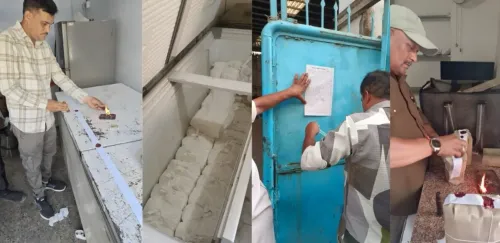
Authorities have signalled that enforcement will be strict, with inspections expected across retail outlets, restaurants, and food-processing units.
Penalties for Violations
Offenders face imprisonment of up to six months and a fine of up to ₹1 lakh, depending on the nature and severity of the offence. In the most serious cases — where consumption of unsafe food results in death — the law provides for life imprisonment alongside a minimum fine of ₹10 lakh. The graduated penalty structure signals the government's intent to treat food adulteration as a criminal, not merely a regulatory, matter.
Why Analogue Paneer Is a Concern
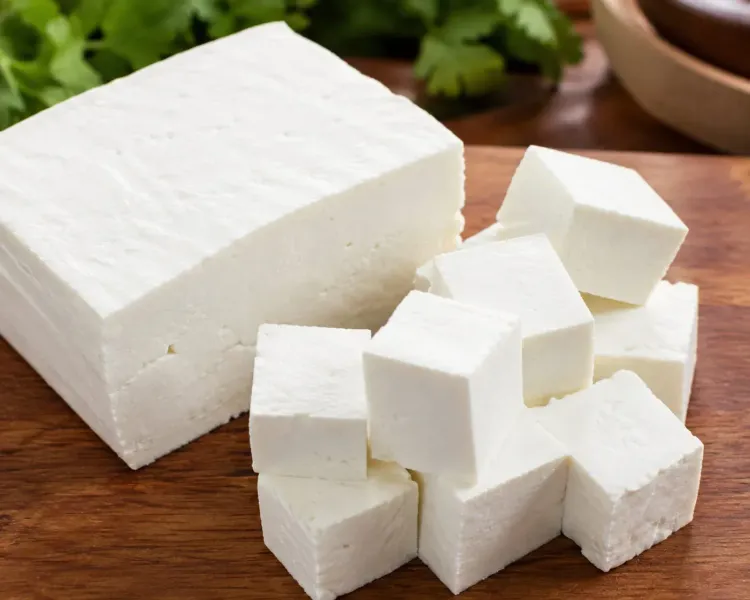
Traditional paneer is made entirely from dairy milk and is a protein- and calcium-rich staple in Indian households. Analogue paneer, by contrast, substitutes expensive milk fat and milk solids with vegetable oils — typically palm oil — and starches to replicate the look and texture of dairy paneer at a significantly lower cost. While visually almost indistinguishable from the real product, it lacks essential nutrients including protein, calcium, and vitamins.
Health experts have raised concerns about its potential adverse effects, particularly for consumers who believe they are eating a high-protein dairy food. The product's low cost has made it attractive to restaurants and food manufacturers, but critics argue this comes at the expense of consumer health and trust.
Legislative Push Behind the Decision
The ban did not emerge in isolation. The issue was raised on the floor of the Maharashtra Legislative Assembly last year, with multiple legislators demanding a complete prohibition. The government's decision is now being read as a direct response to that legislative pressure, and as a broader commitment to food authenticity standards.
This is also notable in the national context: with Maharashtra joining Chhattisgarh, advocates of a nationwide ban are likely to intensify calls for the Food Safety and Standards Authority of India (FSSAI) to act at the central level.
What Happens Next
The FDA is expected to begin enforcement drives in the coming weeks. Industry stakeholders — particularly in the dairy and food-processing sectors — will be watching whether the ban is accompanied by clear labelling guidelines that allow consumers to distinguish analogue products from dairy ones in the interim. As more states consider similar action, a coordinated national policy on analogue food products may be the next frontier.
Point of View
But its real test will be enforcement — the state's food supply chain is vast, and analogue paneer is entrenched in the restaurant and catering trade precisely because it is visually identical to the dairy original. The penalty structure is credible on paper, but without systematic inspection capacity and rapid lab-testing infrastructure, the order risks becoming another well-intentioned regulation that leaks at the edges. More significantly, with two states now acting independently, the absence of a central FSSAI standard on analogue dairy products is increasingly conspicuous. A patchwork of state bans is not a food-safety policy — it is a signal that the Centre has yet to lead on an issue that affects consumers nationwide.
NationPress
5 Aug 2026
Frequently Asked Questions
What is analogue paneer and why has Maharashtra banned it?
Analogue paneer is an artificial cottage cheese substitute that replaces dairy milk fat and solids with vegetable oils such as palm oil and starches, mimicking the appearance of real paneer at a lower cost. Maharashtra banned it on 30 July because it lacks the protein, calcium, and vitamins of genuine dairy paneer and is frequently sold while being misrepresented as the real product, constituting an unfair trade practice under the Food Safety and Standards Act, 2006.
What are the penalties for selling analogue paneer in Maharashtra?
Violators face imprisonment of up to six months and a fine of up to ₹1 lakh, depending on the severity of the offence. In cases where consumption of unsafe food causes death, the law provides for life imprisonment along with a minimum fine of ₹10 lakh.
Is Maharashtra the first state to ban analogue paneer?
No. Maharashtra is the second state in India to impose such a ban. Chhattisgarh was the first state to prohibit analogue paneer.
Who issued the Maharashtra analogue paneer ban order?
The ban order was issued by Food Safety Commissioner Tukaram Mundhe on 30 July and came into immediate effect. It covers the entire supply chain, including manufacture, processing, packing, storage, transportation, and retail sale across Maharashtra.
How does analogue paneer differ from real paneer nutritionally?
Real paneer is made entirely from dairy milk and is a rich source of protein, calcium, and vitamins. Analogue paneer substitutes milk fat and milk solids with palm oil and starches, which means it lacks these essential nutrients despite looking nearly identical to dairy paneer. Health experts have flagged potential adverse health effects from regular consumption.