MCOCA to be invoked against gutka networks in Maharashtra

Synopsis
Maharashtra is escalating its gutka crackdown from routine food safety fines to organised crime prosecution under MCOCA — a law typically reserved for criminal syndicates. FDA Commissioner Tukaram Mundhe's order signals that the state now views the banned tobacco trade as a structured criminal enterprise, not a regulatory nuisance.
Key Takeaways
Maharashtra FDA will invoke MCOCA, 1999 against gutka manufacturers, distributors, and sellers, effective 13 June 2025 .
FDA Commissioner Tukaram Mundhe issued orders to all regional officers to initiate MCOCA in eligible organised-crime cases.
Syndicates reportedly use forged documents, dummy companies, benami transactions , and hidden warehouses to evade detection.
Legal action draws on Sections 59, 64, 38, 41, and 42 of the Food Safety and Standards Act, 2006, reinforced by MCOCA.
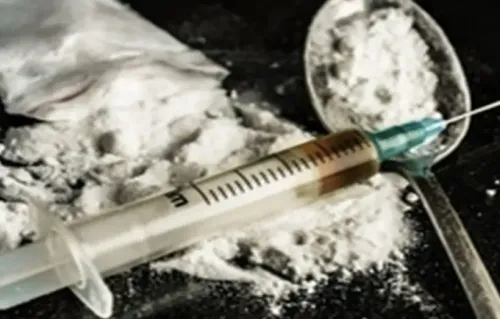
Banned gutka has continued to surface near school and college campuses despite a statewide prohibition.
Minister Narhari Zirwal confirmed the move aligns with a pledge by CM Devendra Fadnavis during the Nagpur Winter Session.
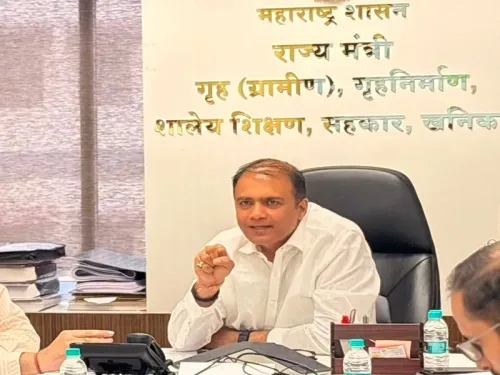
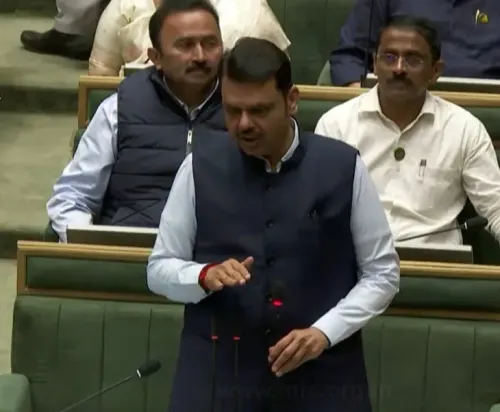
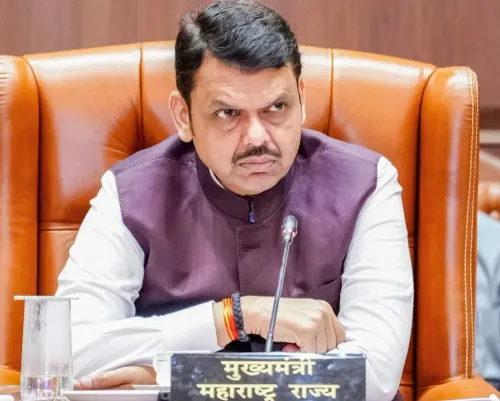
Maharashtra's Food and Drug Administration (FDA) will invoke the Maharashtra Control of Organised Crime Act, 1999 (MCOCA) against individuals and syndicates involved in the manufacture, storage, transportation, distribution, and sale of gutka and other banned tobacco products, FDA Minister Narhari Zirwal confirmed on Friday, 13 June. The move follows through on a commitment made by Chief Minister Devendra Fadnavis during the Winter Session of the Legislative Assembly in Nagpur.
The Official Order
FDA Commissioner Tukaram Mundhe issued explicit directions to all regional officers to invoke MCOCA in eligible cases involving organised networks dealing in gutka, tobacco, nicotine-infused pan masala, and similar banned tobacco-mixed food products. The order marks a categorical shift — these offences will no longer be treated as routine food safety violations but as organised crime.
Joint investigations by the FDA, police, and allied agencies have established that the gutka trade extends far beyond retail outlets. Eligible cases reveal the coordinated involvement of a sprawling supply chain encompassing manufacturers, suppliers, financiers, warehousing operators, transporters, wholesalers, and sub-dealers.
How the Syndicates Operate
According to the official order, these networks routinely deploy sophisticated illegal methods including forged documents, fake invoices, dummy companies, benami transactions, hidden warehouses, interstate supply chains, and diversionary transport routes. The scale and coordination of these operations, investigators say, squarely meet the threshold for organised crime prosecution.
Legal Framework Being Deployed
The action draws on multiple provisions of the Food Safety and Standards Act, 2006. Section 59 prescribes imprisonment for manufacturing or selling unsafe food; Section 64 provides enhanced punishments for repeat offenders; Sections 38 and 41 empower Food Safety Officers to conduct inspections, searches, and seizures; and Section 42 details the procedure for formal prosecution. Layered over these, MCOCA adds the full weight of anti-organised crime law.
Why This Action Now
Despite a statewide ban, gutka continues to surface across Maharashtra — notably near school and college campuses, raising serious public health concerns. Recognising the persistent failure of conventional enforcement, the government had previously signalled its intent to escalate to MCOCA to ensure airtight implementation of the prohibition.
'To protect public health in Maharashtra and to permanently dismantle the organised illegal trade of banned food items, the law will be enforced with absolute stringency,' Minister Zirwal stated.
What Happens Next
Regional FDA officers are now mandated to identify and build eligible MCOCA cases in coordination with the police. Convictions under MCOCA carry significantly heavier penalties than food safety violations alone, potentially serving as a stronger deterrent against the well-entrenched gutka trade. The success of the crackdown will hinge on whether inter-agency coordination translates into sustainable prosecution, not just seizures.
Point of View
Fines are paid, and the supply chain reconstitutes within days. The real question is whether the FDA-police coordination required for MCOCA prosecution is institutionally ready: MCOCA cases demand sustained evidence gathering, witness protection, and prosecutorial bandwidth that routine food inspections do not. Maharashtra has used this escalation threat before; what will determine credibility this time is the number of cases that actually reach conviction, not just FIR registration. The proximity of gutka trade to school campuses adds a public health urgency that the government would be politically unwise to let stall at the order-issuing stage.
NationPress
26 Oct 2026
Frequently Asked Questions
What is MCOCA and why is it being used against gutka operators?
The Maharashtra Control of Organised Crime Act, 1999 (MCOCA) is a stringent law designed to prosecute organised criminal networks. It is being invoked because joint FDA-police investigations found that the gutka trade operates through coordinated syndicates — with manufacturers, financiers, transporters, and distributors — that go well beyond individual retail violations.
Who issued the order to invoke MCOCA against gutka networks?
FDA Commissioner Tukaram Mundhe issued the order directing all regional officers to invoke MCOCA in eligible cases. The move was confirmed by FDA Minister Narhari Zirwal and follows a commitment made by Chief Minister Devendra Fadnavis during the Nagpur Winter Session of the Legislative Assembly.
What illegal methods do gutka syndicates reportedly use?
According to the official FDA order, these networks use forged documents, fake invoices, dummy companies, benami transactions, hidden warehouses, interstate supply chains, and diversionary transport routes to evade detection and enforcement.
Which legal provisions apply to gutka offenders in Maharashtra?
Offenders face action under Sections 59, 64, 38, 41, and 42 of the Food Safety and Standards Act, 2006 — covering imprisonment for unsafe food production, enhanced penalties for repeat offences, and powers of search and seizure — combined with the heavier penalties of MCOCA for organised crime involvement.
Why has gutka remained available despite a statewide ban?
Despite a statewide prohibition, gutka has continued to be found across Maharashtra, particularly near school and college campuses. Authorities attribute this to well-organised supply chains that use sophisticated evasion tactics, prompting the escalation to MCOCA to ensure more effective enforcement.