Maharashtra Bill targets 'Orchestra' loophole in dance bar rooms
Synopsis
Maharashtra is closing a loophole that let bar rooms sidestep dance restrictions by simply calling performances 'orchestra' shows and licensing them under weaker police act provisions. The 2026 amendment would bring all live music acts in commercial establishments under the stricter 2016 Obscene Dance Act — ending a decade of regulatory cat-and-mouse.
Key Takeaways
The Maharashtra government introduced the dance bar amendment Bill on 7 July 2026 in the state legislature.
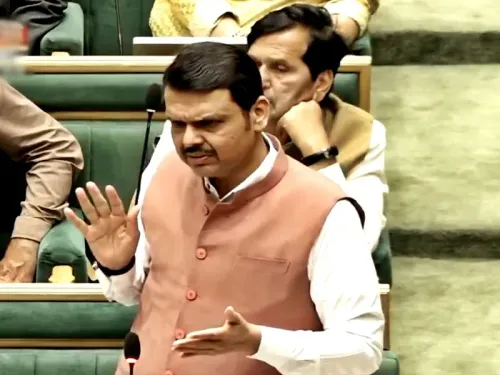
Minister of State for Home Pankaj Bhoyar presented the Bill, targeting the 'Orchestra' loophole in bar rooms.
Establishments have allegedly used orchestra/live music licences under the Maharashtra Police Act to bypass stricter dance restrictions.
The Bill proposes amending Sections 2 and 33 of the Maharashtra Police Act (1951) and Sections 2 and 3 of the 2016 Obscene Dance Act .
If passed, all live music performances in hotels, restaurants, and bar rooms will fall under the stricter 2016 regulatory framework .
The Bill will now face deliberation and voting in the Maharashtra State Legislature .
The Maharashtra government on Tuesday, 7 July 2026, introduced a Bill in the state legislature to close a long-exploited legal loophole that has allowed hotels, restaurants, and bar rooms to circumvent dance restrictions by staging live music or 'orchestra' performances. The amendment directly targets the gap between two separate licensing regimes that establishments have allegedly used to host unregulated dance acts.
The Loophole Being Plugged
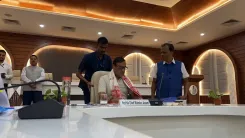
Minister of State for Home Pankaj Bhoyar presented the 'Maharashtra Police and Maharashtra Prohibition of Obscene Dance in Hotels, Restaurants and Bar Rooms and Protection of Dignity of Women (working therein) (Amendment) Act, 2026' before the legislature. According to the Bill, several commercial establishments have been obtaining licences for live music performances under the relatively weaker provisions of the Maharashtra Police Act, effectively using 'orchestra' shows as a front for unregulated dance performances that would otherwise be prohibited under stricter law.
The Bill states: 'To curb this practice, the government considers it necessary to bring live music performances (orchestra) within the purview of the Prohibition of Obscene Dance Act and to exclude the licences of the live music performances (orchestra) in hotel, restaurant or bar room from the purview of the Police Act.'
Key Legal Changes Proposed
To achieve this, the Amendment Bill seeks to modify Sections 2 and 33 of the Maharashtra Police Act (XXII of 1951), stripping those provisions of their authority to independently license orchestra or live music performances inside commercial eating and drinking establishments. Simultaneously, Sections 2 and 3 of the Maharashtra Prohibition of Obscene Dance in Hotels, Restaurants and Bar Rooms and Protection of Dignity of Women (working therein) Act, 2016, will be amended to bring all such live music acts under its stringent regulatory framework.
The practical effect is a single, tighter oversight regime — eliminating the dual-licensing grey zone that establishments have reportedly exploited for years.
A Decade-Long Regulatory Battle
The introduction of this Bill is the latest development in Maharashtra's decade-long effort to regulate dance bars and associated nightlife entertainment. The foundational legislation — the 2016 Prohibition of Obscene Dance Act — was itself a legislative response to years of legal wrangling, including a landmark Supreme Court intervention that forced the state to distinguish between obscene performances and legitimate artistic expression while still protecting women working in these venues.
This comes amid persistent concerns from women's rights groups and law enforcement that regulatory gaps continue to be exploited, with the 'orchestra' licence emerging as the most recent mechanism of evasion. Notably, this is not the first time the state has had to amend the 2016 Act to address implementation gaps.
What Happens Next
The Bill will now undergo deliberation and voting in the Maharashtra State Legislature. If passed, establishments currently operating under orchestra licences within bar rooms and restaurants will be required to comply with the stricter conditions of the 2016 Act, including more rigorous scrutiny of performance content and enhanced protections for women employees. Industry stakeholders and nightlife operators are expected to closely watch the legislative debate for any amendments to the Bill's scope.
Point of View
Yet establishments found a bypass almost immediately. The real question is whether a legislative fix alone is sufficient, or whether enforcement capacity — historically the weaker link in this regulatory chain — needs equal attention. Women working in these venues have borne the cost of every implementation gap; the amendment's stated emphasis on their dignity will only mean something if inspection and complaint mechanisms are strengthened alongside the text of the law.
NationPress
6 Oct 2026
Frequently Asked Questions
What is the Maharashtra Orchestra loophole in dance bar rooms?
The 'orchestra loophole' refers to a practice where hotels, restaurants, and bar rooms obtained licences for live music or 'orchestra' performances under the relatively lenient Maharashtra Police Act, using these shows as a cover for dance performances that are otherwise prohibited under the stricter Maharashtra Prohibition of Obscene Dance Act, 2016.
What does the Maharashtra Amendment Bill 2026 propose?
The Bill proposes to remove orchestra and live music performances in commercial establishments from the licensing purview of the Maharashtra Police Act and bring them under the Maharashtra Prohibition of Obscene Dance in Hotels, Restaurants and Bar Rooms Act, 2016. It amends Sections 2 and 33 of the Police Act and Sections 2 and 3 of the 2016 Act.
Who introduced the Maharashtra dance bar amendment Bill?
Minister of State for Home Pankaj Bhoyar introduced the Bill in the Maharashtra State Legislature on 7 July 2026.
What happens to establishments currently holding orchestra licences?
If the Bill is passed, establishments holding orchestra licences for performances inside bar rooms, hotels, and restaurants will need to comply with the stricter conditions of the 2016 Obscene Dance Act, including tighter scrutiny of performance content and enhanced protections for women employees.
What is the Maharashtra Prohibition of Obscene Dance Act, 2016?
It is a Maharashtra state law that prohibits obscene dance performances in hotels, restaurants, and bar rooms while also mandating protections for the dignity of women working in such establishments. The 2016 Act emerged from years of legal battles, including Supreme Court intervention, and is now the primary regulatory framework the 2026 amendment seeks to strengthen.