Maharashtra Cabinet clears Pandharpur rehab policy, ₹6478 cr for Jayakwadi
Synopsis
The Maharashtra cabinet under CM Devendra Fadnavis approved a rehabilitation policy for Shri Kshetra Pandharpur and sanctioned ₹6,478 crore for the Jayakwadi irrigation project on the Godavari river, addressing both pilgrimage infrastructure and Marathwada's agrarian needs.
Key Takeaways
The Maharashtra cabinet cleared a rehabilitation policy for Shri Kshetra Pandharpur , a major Vaishnavite pilgrimage centre in Solapur district . ₹6,478 crore was sanctioned for the Jayakwadi project , a key irrigation dam on the Godavari river serving the Marathwada region.
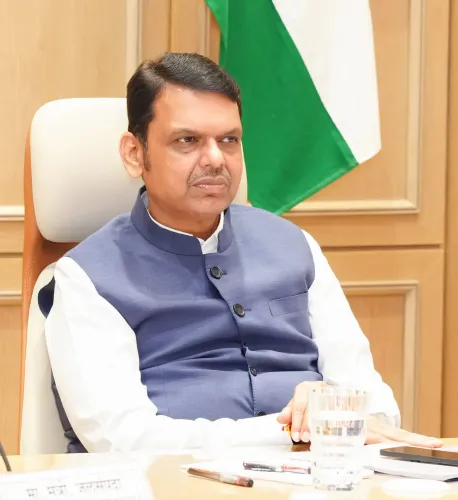
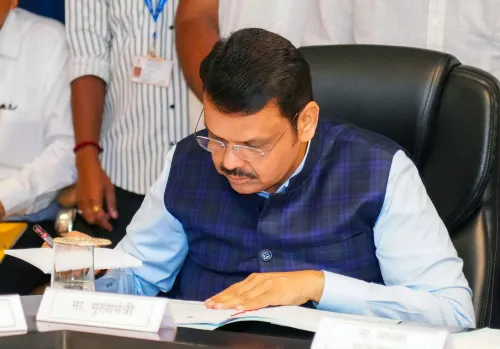
Chief Minister Devendra Fadnavis presided over the cabinet decisions confirmed on 19 August 2026 .
The Pandharpur policy aims to provide a framework for residents and communities affected by the town's growth as a religious hub.
Jayakwadi has been central to Marathwada's agricultural water security; successive governments have backed Godavari basin irrigation works.
Detailed policy guidelines and a fund-release schedule are now awaited from the state government.
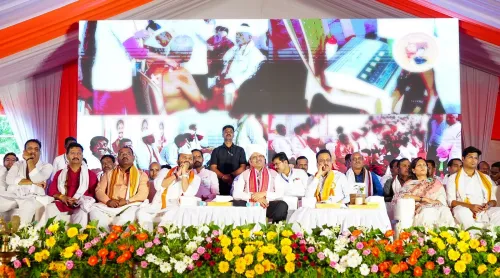
Two decisions out of Maharashtra's cabinet are making waves on Wednesday, 19 August 2026 — one that reshapes life around the state's most sacred pilgrimage town, and another that unlocks nearly ₹6,478 crore for a long-pending irrigation lifeline in drought-prone Marathwada. The Chief Minister's Office of Maharashtra confirmed both approvals, with Chief Minister Devendra Fadnavis at the helm.
A new policy for the pilgrims' town
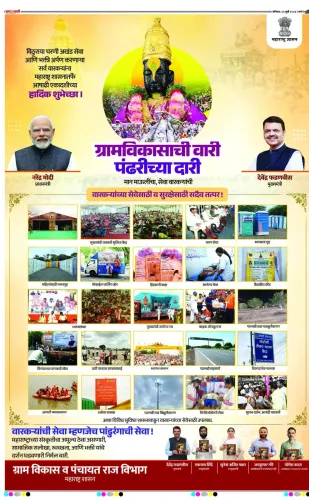
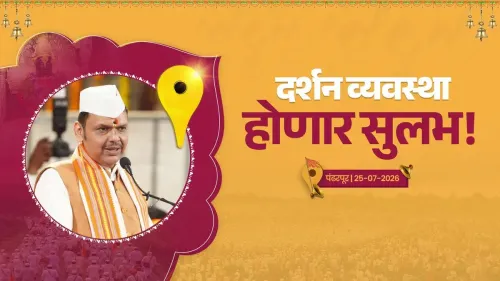
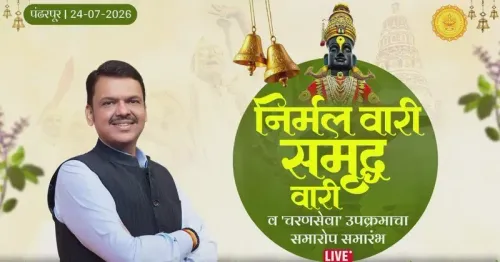
Shri Kshetra Pandharpur, the Vaishnavite heartland of Solapur district, draws hundreds of thousands of devotees every year — peaking at the iconic Ashadhi Ekadashi wari, when a river of white-clad pilgrims converges on the Vithoba temple. The sheer scale of that footfall has long strained local infrastructure, housing, and civic services in the surrounding area. The cabinet's freshly cleared rehabilitation policy is aimed squarely at that pressure point — setting a framework for the orderly resettlement and support of residents and communities affected by the town's growth as a major religious hub. Detailed guidelines and implementation timelines are now awaited from the state government.
₹6,478 crore for Jayakwadi — Marathwada's irrigation anchor
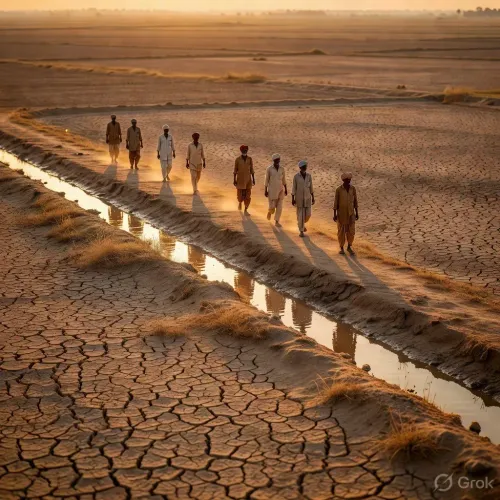
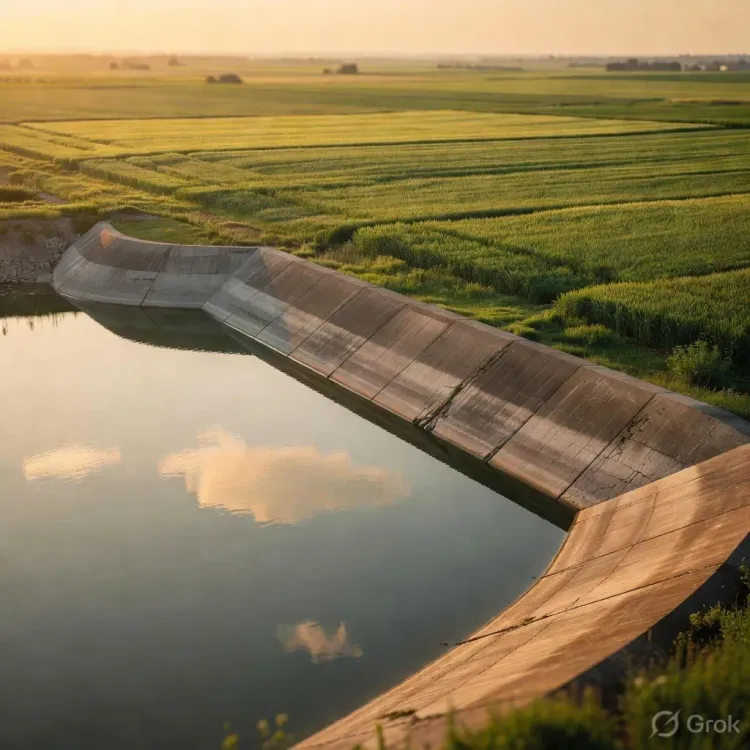
The bigger headline in rupee terms is the ₹6,478 crore sanctioned for the Jayakwadi project, the major dam on the Godavari river in what was once Aurangabad district. Jayakwadi has been a cornerstone of Marathwada's agricultural hopes for decades — a region that has repeatedly faced acute drought and agrarian distress. Successive Maharashtra governments have approved funding tranches for Godavari basin irrigation works, and this latest allocation continues that pattern, though the precise scope of works to be funded remains to be detailed in official orders. For Marathwada's farmers, the cabinet nod represents a renewed state commitment to completing infrastructure that underpins their livelihoods.
A cabinet day with two distinct constituencies
Together, the two decisions signal the Fadnavis cabinet's intent to address both the cultural-religious infrastructure of Maharashtra and the agrarian backbone of its most water-stressed region — in a single sitting. The rehabilitation policy speaks to Pandharpur's pilgrims and local residents; the Jayakwadi funds speak to farmers across Marathwada. The state government's next task is translating both approvals into ground-level action — publishing the rehabilitation guidelines and releasing funds on a clear schedule.
Two decisions, two constituencies, one cabinet meeting — Maharashtra has set its agenda. Now the clock starts on delivery.
Point of View
Approving a Pandharpur rehabilitation framework shores up support in the Varkari belt, while the Jayakwadi allocation is a direct signal to Marathwada's restive farming community ahead of any political cycle. The real test, as with past tranches for Godavari basin projects, will be whether funds translate into measurable construction progress or remain budgetary line items. Both decisions together also illustrate how state cabinets increasingly bundle headline-grabbing cultural and development announcements to maximise a single news cycle.
NationPress
19 Aug 2026
Frequently Asked Questions
What is the Maharashtra cabinet's rehabilitation policy for Pandharpur?
The Maharashtra cabinet cleared a rehabilitation policy for Shri Kshetra Pandharpur, a major Vaishnavite pilgrimage town in Solapur district, to provide a framework for residents and communities affected by the area's growth as a religious hub. Detailed guidelines are yet to be published.
What is the Jayakwadi project and why is it important?
The Jayakwadi project is a major irrigation dam on the Godavari river in the Marathwada region of Maharashtra. It is a critical water source for agriculture in one of the state's most drought-prone areas, and successive governments have funded its development in tranches.
How much money has Maharashtra sanctioned for the Jayakwadi project?
The Maharashtra cabinet approved ₹6,478 crore for the Jayakwadi irrigation project as announced on 19 August 2026.
Who is the Chief Minister of Maharashtra in 2026?
Devendra Fadnavis is the Chief Minister of Maharashtra, presiding over the cabinet that cleared these decisions on 19 August 2026.
What is Ashadhi Ekadashi and why does it matter for Pandharpur?
Ashadhi Ekadashi is a major Hindu festival that brings hundreds of thousands of pilgrims — known as Warkaris — to the Vithoba temple in Pandharpur each year. The enormous footfall drives the need for better infrastructure and rehabilitation planning in the pilgrimage town.