Maharashtra Cabinet hikes illegal minor mineral mining penalty tenfold
Synopsis
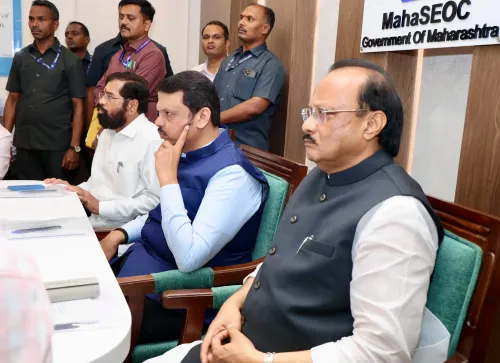
The Maharashtra Cabinet, led by Chief Minister Devendra Fadnavis, has approved a tenfold increase in penalties for illegal extraction of minor minerals including sand and gravel, aiming to curb revenue leakage and environmental damage from unauthorised mining operations across the state.
Key Takeaways
The Maharashtra Cabinet has approved a tenfold increase in penalties for illegal minor mineral extraction.
The decision was announced by the Chief Minister's Office of Maharashtra on 29 July 2026 .
Minor minerals include sand, gravel, ordinary clay, and quartzite — resources frequently mined without valid leases.
The move targets revenue leakage and environmental degradation caused by unauthorised mining operations.
Enforcement will fall to district mining officers under the revised penalty framework.
The decision aligns with powers granted to states under the Mines and Minerals (Development and Regulation) Amendment Act, 2015 .
Sand and gravel poachers operating across Maharashtra are now staring at a dramatically steeper price for getting caught. The Chief Minister's Office of Maharashtra announced on Wednesday, 29 July 2026 that the state cabinet, under Chief Minister Devendra Fadnavis, has approved a tenfold increase in penalties for illegal extraction of minor minerals — a sharp escalation designed to make unauthorised mining economically unviable.
What the cabinet decided
The post, shared by the CMO Maharashtra handle and tagged to @Dev_Fadnavis, reads: 'गौण खनिजाच्या अवैध उत्खननासाठी दहापट दंड' — 'tenfold penalty for illegal extraction of minor minerals.' The decision was flagged under the hashtag #मंत्रिमंडळनिर्णय (Cabinet Decision), confirming it as a formal executive resolution of the Maharashtra Cabinet.
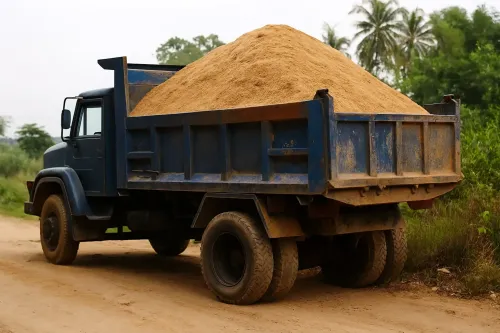
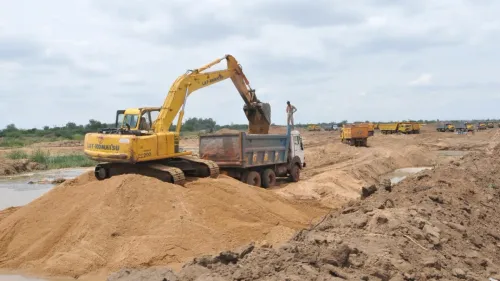
Minor minerals — a category that includes sand, gravel, ordinary clay, and quartzite — are among the most widely pilfered natural resources in India. Their extraction without a valid lease deprives the state exchequer of royalty revenue and accelerates riverbed and environmental degradation.
Why a tenfold jump, and why now
Indian states have repeatedly found that modest fines fail to deter organised illegal mining networks, which can turn large profits even after paying penalties. A tenfold multiplier shifts the calculus: the risk of a single seizure can now wipe out the margin on multiple hauls. Maharashtra follows a pattern of regulatory tightening seen in other mineral-active states that have struggled to close the gap between licensed output and actual extraction on the ground.
The national framework for such action traces back to the Mines and Minerals (Development and Regulation) Amendment Act, 2015, which gave states stronger tools to set and enforce penalties. Maharashtra's cabinet decision operationalises that latitude at the state level, pushing enforcement responsibility down to district mining officers who will now wield a heavier financial stick.
Revenue, rivers, and what happens next
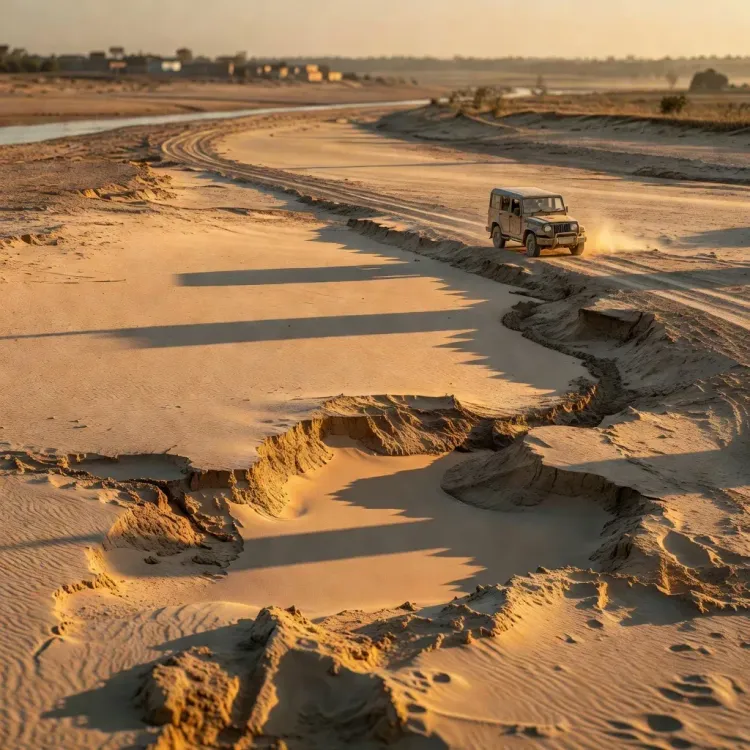
The dual pressure driving this move is fiscal and ecological. Illegal sand mining in particular has been linked to riverbank erosion, damage to bridges and irrigation infrastructure, and loss of state revenue that would otherwise fund public works. A stricter penalty regime, if enforced consistently, addresses both ledgers simultaneously.
The real test will come in implementation: whether district-level officers apply the new penalty schedule uniformly, and whether it survives legal challenges from mining interests in state courts. The Fadnavis government will need robust monitoring mechanisms to convert a cabinet resolution into measurable deterrence on the ground.
Maharashtra has drawn a hard new line under its mineral wealth. Whether the enforcers on the ground can hold it is the question the state's rivers — and its treasury — are waiting on.
Point of View
Not a routine compliance lapse. Steep financial deterrents have historically been more effective than incremental fine hikes, but their impact depends entirely on consistent ground-level enforcement — the perennial weak link in India's mining governance chain. This move also fits a broader pattern of BJP-led state governments using executive cabinet decisions to demonstrate fiscal discipline and resource nationalism. The real political dividend will only accrue if district-level enforcement data backs the headline number.
NationPress
29 Jul 2026
Frequently Asked Questions
What did the Maharashtra Cabinet decide about illegal mining?
The Maharashtra Cabinet approved a tenfold increase in penalties for illegal extraction of minor minerals such as sand and gravel, making unauthorised mining significantly more costly for offenders.
What are minor minerals in India?
Minor minerals are naturally occurring substances including sand, gravel, ordinary clay, and quartzite. They are regulated separately from major minerals under Indian mining law and are frequently extracted illegally.
Who announced the illegal mining penalty hike in Maharashtra?
The announcement was made by the Chief Minister's Office of Maharashtra, attributed to Chief Minister Devendra Fadnavis, on 29 July 2026.
Why does illegal sand mining matter in Maharashtra?
Illegal sand mining causes riverbank erosion, damages bridges and irrigation infrastructure, and deprives the state of royalty revenue. Maharashtra's rivers have faced documented environmental stress from unauthorised extraction.
Which law gives Maharashtra the power to raise mining penalties?
The Mines and Minerals (Development and Regulation) Amendment Act, 2015 strengthened the powers of state governments to set and enforce penalties against illegal mining, providing the legal basis for Maharashtra's cabinet decision.