CM Himanta Orders Scientific Carcass Disposal in Flood-Hit Assam
Synopsis
Assam Chief Minister Himanta Biswa Sarma announced on 29 July 2026 that state teams are scientifically disposing of animal carcasses across flood-hit areas to prevent disease outbreaks, framing the effort as both a public-health measure and a matter of animal dignity.
Key Takeaways
Assam CM Himanta Biswa Sarma announced on 29 July 2026 that teams are locating and scientifically disposing of animal carcasses in flood-affected areas.
The drive aims to prevent disease outbreaks — including anthrax and leptospirosis — that decomposing carcasses can trigger in flood conditions.
Assam's carcass disposal protocols are aligned with NDMA guidelines established since 2005 .
The Brahmaputra river system causes recurring annual floods that kill thousands of animals every monsoon season in Assam.
Sarma framed the operation explicitly around animal dignity, not just sanitation — a notable shift in how the state communicates disaster response to rural communities.
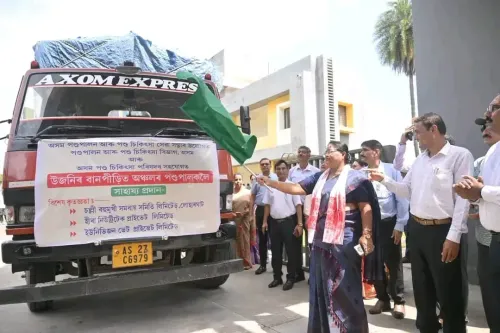
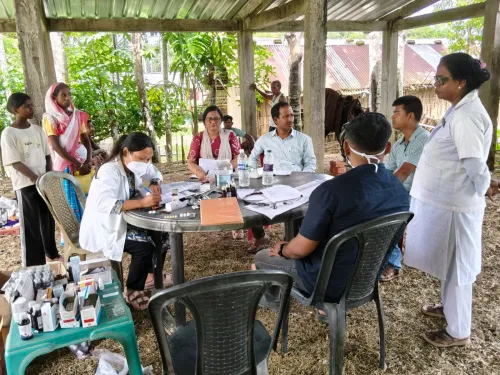
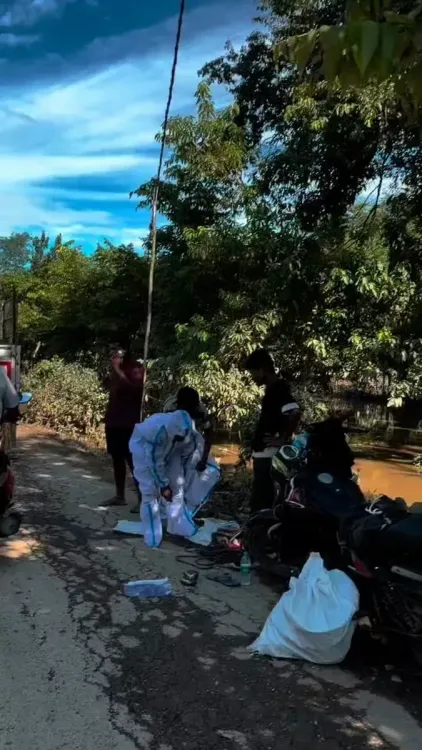
When floodwaters recede across Assam, they leave behind a silent, dangerous aftermath — thousands of animal carcasses that, if left unattended, become vectors for disease outbreaks threatening both livestock and human populations. Assam Chief Minister Himanta Biswa Sarma on Wednesday, 29 July 2026, announced that state teams are actively locating and scientifically disposing of animal carcasses across flood-affected areas, framing the effort as both a public-health imperative and an act of compassion.
'We believe animals, too, deserve dignity in death,' the Chief Minister wrote, adding that teams are ensuring 'every animal is treated with the respect it deserves' even as they work to prevent epidemic risk.
Why Carcass Disposal Is a Public-Health Race Against Time
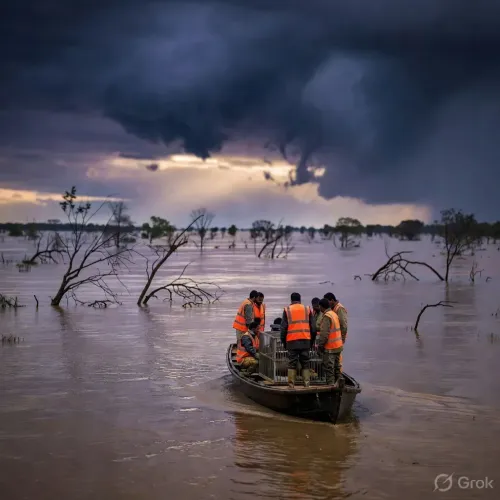
In the aftermath of a major flood, decomposing animal bodies contaminate water sources and soil, accelerating the spread of diseases such as anthrax, foot-and-mouth disease, and leptospirosis — illnesses that can jump from livestock to humans. The window for safe disposal is narrow. Assam's state disaster management protocols, aligned with National Disaster Management Authority (NDMA) guidelines in place since 2005, mandate scientific removal and disinfection drives as a standard flood-response measure. Saturday's announcement signals those protocols are in active deployment. The Brahmaputra river system turns Assam into one of India's most flood-battered states every monsoon season. Thousands of animals perish annually — cattle, goats, and wildlife alike — leaving rural communities who depend on livestock for their livelihoods doubly devastated: first by the flood, then by the loss of animals.Dignity as Policy: A Shift in How Assam Frames Animal Welfare
What stands out in Sarma's post is the language. Successive Assam governments have conducted carcass disposal drives, but framing it explicitly as a matter of animal dignity — not merely sanitation — marks a deliberate rhetorical choice. It signals an effort to elevate animal welfare within the state's disaster-response narrative, speaking directly to rural communities for whom livestock are not just economic assets but part of the household. For flood-affected livestock owners and rural communities across the state, the announcement carries practical weight: organised disposal teams reduce the risk of disease spreading to surviving animals and to people sharing the same water and land. The real test will come in the veterinary and disaster-response tallies — carcass counts, disease incidence reports, and the geographic spread of disposal operations. Those numbers, when they emerge, will show whether the dignified intent translated into effective ground action.Point of View
He elevates a routine sanitation protocol into a values statement, broadening the BJP's rural appeal beyond purely economic relief. The move also pre-empts criticism of slow disaster response by making visible an unglamorous but essential operation. It fits a wider pattern of the Assam government using social media to humanise bureaucratic action during crisis periods.
NationPress
13 Sept 2026
Frequently Asked Questions
Why is animal carcass disposal important after floods in Assam?
Decomposing animal carcasses contaminate floodwater and soil, spreading diseases like anthrax and leptospirosis that can affect both surviving livestock and humans. Rapid scientific disposal is a core part of Assam's flood disaster management protocol.
What did Assam CM Himanta Biswa Sarma say about flood-affected animals?
On 29 July 2026, CM Sarma stated that state teams are scientifically locating and disposing of animal carcasses across flood-hit areas, saying 'We believe animals, too, deserve dignity in death.'
How does Assam handle animal deaths during the Brahmaputra floods?
Assam deploys veterinary and disaster-response teams to remove and disinfect animal carcasses following NDMA guidelines that have been in place since 2005, aiming to prevent epidemic outbreaks in flood-affected communities.
Which areas of Assam are affected by floods in 2026?
CM Sarma's post refers to multiple flood-affected areas across the state, though the specific districts and scale of the 2026 flood event are subject to official state and disaster-management reports.
What diseases can spread from animal carcasses after floods?
Unmanaged animal carcasses in flood zones can spread anthrax, foot-and-mouth disease, and leptospirosis — illnesses that pose risks to surviving livestock and to human populations sharing the same water and land.