PM Modi to launch Nasha Mukta Yuva Abhiyaan on 2 August, 1 crore youth to pledge
Synopsis
On 2 August, PM Modi will launch a 100-week anti-drug movement targeting over 1 crore youth across 10,000 locations simultaneously — framing the Nasha Mukta Yuva Abhiyaan not as a one-day pledge drive but as a sustained Jan Bhagidari campaign with milestone recognition built in. It is among the most ambitious single-theme youth mobilisations the government has attempted.
Key Takeaways
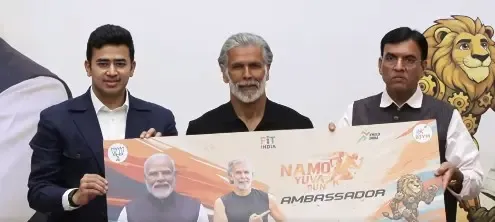
PM Narendra Modi will launch the Nasha Mukta Yuva for Viksit Bharat Sankalp Abhiyaan on 2 August .
More than 1 crore (10 million) youth are expected to take the Nasha Mukti Pledge at launch.
Nearly 10,000 locations across India will participate simultaneously on Day One.
The campaign is structured as a 100-week Jan Bhagidari movement , with Sunday activities every week.
Over 125 spiritual organisations , NSS, NGOs, schools, colleges, and industrial associations are participating.
Volunteers will be recognised at the 50th, 75th, and 100th week milestones.
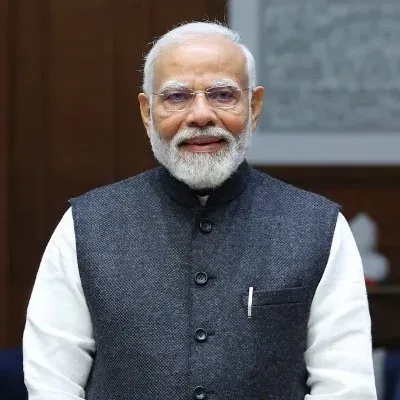
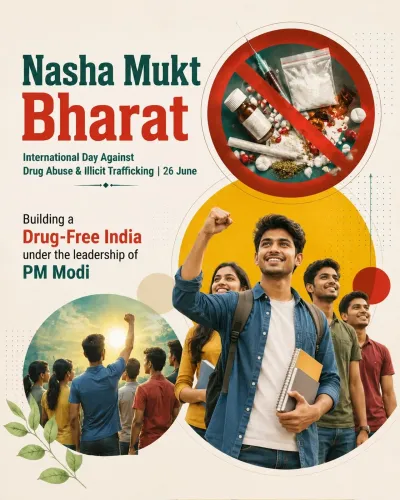
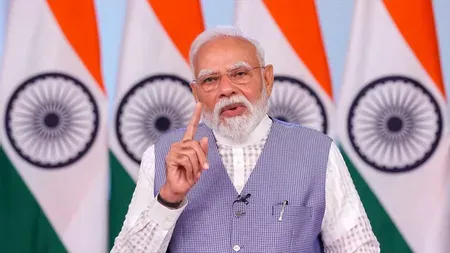
Prime Minister Narendra Modi is set to launch the 'Nasha Mukta Yuva for Viksit Bharat Sankalp Abhiyaan' on 2 August, a nationwide campaign designed to mobilise young Indians in a sustained collective effort against substance abuse. The initiative is anchored in Modi's broader vision of a drug-free India and aligns with the long-term developmental goals of Viksit Bharat 2047.
Scale and Reach of the Campaign
At launch, nearly 10,000 locations across India are expected to participate simultaneously, with more than one crore (10 million) youth anticipated to take the Nasha Mukti Pledge and enrol as Nasha Mukta Yuva Volunteers. The sheer geographic spread of Day One activities makes this one of the largest single-day youth mobilisations on a public health theme in recent memory.
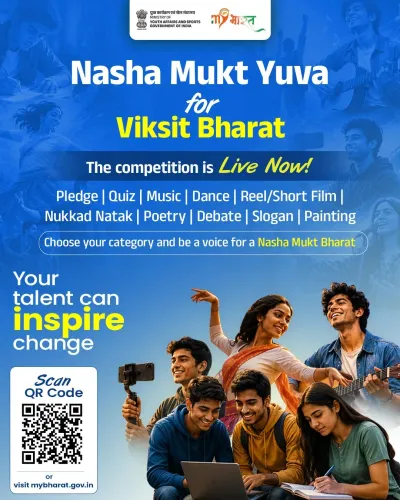
The campaign is being led by MY Bharat youth volunteers and will draw participation from the National Service Scheme (NSS), youth clubs, schools, colleges, universities, NGOs, industrial associations, and more than 125 spiritual organisations.
A 100-Week Movement, Not a One-Day Event
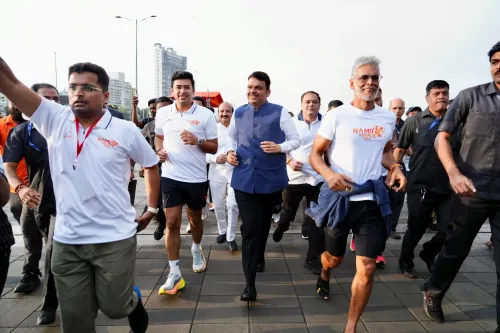
Organisers have explicitly designed the Abhiyaan as a 100-week Jan Bhagidari (people's participation) movement, distinguishing it from one-off awareness drives. Every Sunday over the next 100 weeks will feature structured activities including sports events, walkathons, meditation sessions, cultural programmes, art competitions, nukkad nataks (street plays), and community outreach.
Volunteers and organisations making notable contributions will be recognised at the 50th, 75th, and 100th week milestones, providing a structured incentive for long-term engagement. This approach reflects a shift from episodic government campaigns toward institutionalised youth participation — a model that has been attempted with varying success in past public health drives.
The Broader Policy Context
The launch comes amid persistent concerns about rising substance abuse among Indian youth, particularly in states such as Punjab, where drug dependency has been a long-standing socio-political issue. The campaign's central message — that 'drug-free youth are the greatest strength of Viksit Bharat' — is intended to frame anti-drug commitment as an act of national service rather than mere personal restraint.
Notably, this initiative sits within a wider ecosystem of youth-focused government programmes, including the Fit India Movement and Yuva Shakti schemes, signalling a concerted effort to channel the demographic dividend toward nation-building objectives ahead of 2047.
What Happens Next
Following the Prime Minister's launch on 2 August, the campaign's weekly Sunday activities are expected to roll out across participating institutions nationwide. The government has indicated that recognition ceremonies at milestone weeks will help sustain momentum over the campaign's two-year arc. Civil society observers will be watching whether the 100-week structure translates into measurable outcomes in drug awareness and rehabilitation referrals.
Point of View
Which generate headlines but rarely shift behaviour. Whether the Jan Bhagidari model can hold 1 crore volunteers engaged over two years is the real test. Past youth-mobilisation campaigns, from Swachh Bharat's early momentum to the Fit India Movement, showed strong launch numbers that tapered sharply without institutional follow-through. The inclusion of 125 spiritual organisations is a deliberate outreach to networks with genuine grassroots penetration — but it also raises questions about the campaign's secular character and whether all communities feel equally represented. The government's credibility on this initiative will ultimately rest on whether it publishes verifiable data on pledge adherence, rehabilitation referrals, and awareness outcomes at each milestone week.
NationPress
29 Jul 2026
Frequently Asked Questions
What is the Nasha Mukta Yuva for Viksit Bharat Sankalp Abhiyaan?
It is a nationwide anti-drug campaign being launched by Prime Minister Narendra Modi on 2 August, aimed at mobilising over 1 crore youth across India to pledge against substance abuse. The initiative is structured as a 100-week Jan Bhagidari movement aligned with the Viksit Bharat 2047 vision.
When and how will the campaign be launched?
PM Modi will formally launch the Abhiyaan on 2 August, with nearly 10,000 locations across India participating simultaneously. MY Bharat youth volunteers will lead the rollout, and more than 1 crore participants are expected to take the Nasha Mukti Pledge on Day One.
How long will the Nasha Mukta Yuva Abhiyaan run?
The campaign is designed as a 100-week sustained movement, not a single-day event. Structured activities — including sports events, walkathons, street plays, and cultural programmes — will be held every Sunday throughout the campaign's duration.
Who is participating in the campaign?
The Abhiyaan brings together MY Bharat volunteers, the National Service Scheme (NSS), schools, colleges, universities, NGOs, industrial associations, and more than 125 spiritual organisations. It is intended as a broad, community-driven movement spanning government and civil society.
How will participant contributions be recognised?
Volunteers and organisations making significant contributions will be honoured at the 50th, 75th, and 100th week milestones of the campaign, providing structured recognition over its two-year arc.