Kishan Reddy Highlights Railways' 99.6% Electrification Milestone
Synopsis
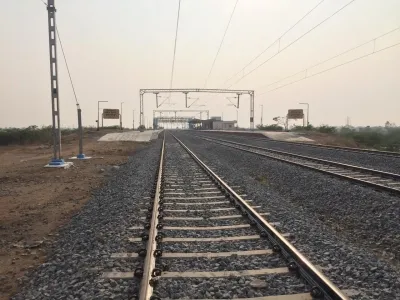
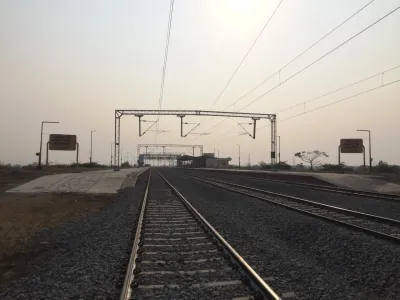
Union Coal and Mines Minister G. Kishan Reddy has highlighted that Indian Railways now stands at 99.6% broad gauge electrification, with over 48,000 route km electrified since 2014 — a pace he attributed to PM Modi's clean energy and self-reliance agenda.
Key Takeaways
99.6% of Indian Railways' Broad Gauge network is now electrified, according to Union Minister G.
Over 48,000 route kilometres have been electrified since 2014 , up from roughly 1,000–1,500 km per year pre-2014 to over 6,000 km per year in later years.
The Ministry of Railways had set a 100% broad gauge electrification roadmap in 2015–16 , aligned with Dedicated Freight Corridor commissioning.
The shift from diesel to electric traction reduces India's reliance on imported crude oil and lowers operating costs on passenger and freight routes.
The remaining policy question centres on the renewable versus coal power mix supplying traction electricity — determining the full environmental impact of the transition.
Indian Railways has crossed a landmark threshold — 99.6% of its Broad Gauge network now runs on electric traction, a transformation Union Coal and Mines Minister G. Kishan Reddy credited on Wednesday, July 29 to Prime Minister Narendra Modi's push for clean energy and self-reliance.
From 1,000 km a year to 6,000 km — the pace that changed everything
The numbers tell a stark story. Before 2014, India was electrifying roughly 1,000 to 1,500 route kilometres of broad gauge track annually. The pace then surged — in later years crossing 6,000 km per year — adding up to over 48,000 route kilometres electrified in the decade since. That is not incremental progress. That is a structural reset of how one of the world's largest rail networks is powered. The Ministry of Railways had issued a 100% broad gauge electrification roadmap as far back as 2015–16, later aligning the target with the commissioning of Dedicated Freight Corridors. What changed was execution velocity — and the political will to hold the line on it year after year.Why a Coal Minister is talking about Railways
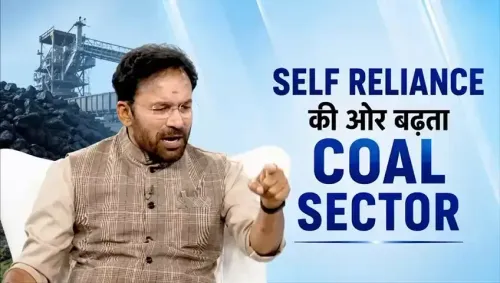
Kishan Reddy's portfolio makes his commentary pointed. As Union Minister of Coal and Mines, he sits at the centre of India's fossil fuel economy. His endorsement of railway electrification signals something deliberate: the shift away from diesel traction directly reduces crude oil imports, easing pressure on the import bill and freeing domestic energy policy from one of its most persistent drags. Electric traction also slashes operating costs and enables higher speeds — benefits that compound across both passenger services and the freight corridors that carry India's industrial output. The minister framed this as part of Atmanirbhar Bharat, the self-reliance doctrine that has shaped infrastructure investment priorities since 2014.The last mile and the renewable question
At 99.6%, the finish line is visible. What remains is the question of what powers the wires. Railway electrification cuts diesel dependency — but the full climate dividend depends on how much of the traction electricity comes from renewables versus coal-fired generation. That balance, and any parliamentary or audit scrutiny of actual cost savings, will define whether this milestone is celebrated as a green leap or a grid-dependency shift. The logistics backbone Kishan Reddy describes is real and already reshaping freight economics. The next chapter is about the energy mix behind the pantograph. India's railways have been rewired. The question now is whether the grid powering them catches up.Point of View
If confirmed, would represent one of the fastest large-network electrification drives globally, lending credibility to the Atmanirbhar Bharat narrative on energy security. However, the broader policy arc remains incomplete: electrification's green dividend hinges on decarbonising the grid that powers the wires, a challenge that sits squarely within the intersection of Railways, Power, and Coal ministries. The milestone is real; the harder work of making it genuinely clean is still in progress.
NationPress
13 Sept 2026
Frequently Asked Questions
What percentage of Indian Railways is electrified in 2026?
According to Union Minister G. Kishan Reddy, 99.6% of Indian Railways' Broad Gauge network is now electrified as of July 2026.
How many kilometres of railway track has India electrified since 2014?
The minister's post states that over 48,000 route kilometres of broad gauge track have been electrified since 2014, compared to roughly 1,000–1,500 km per year before that period.
Why is railway electrification important for India's energy goals?
Electrification replaces diesel traction with grid power, reducing India's crude oil import bill and lowering carbon emissions from one of the country's largest transport systems.
What is the Dedicated Freight Corridor and how does it relate to electrification?
The Dedicated Freight Corridor is a high-capacity rail freight network commissioned alongside the electrification roadmap from 2015–16, designed to carry industrial and agricultural cargo faster and more cheaply than diesel-hauled trains.
Does railway electrification mean Indian Railways runs on renewable energy?
Not automatically. Electrification removes diesel engines from trains, but the environmental benefit depends on how much of the electricity powering the network comes from renewable sources versus coal-fired plants — a transition still underway on India's grid.