Metro Line 13 and Pune Ring Road East: Maharashtra clears ₹28,227 crore infra push
Synopsis
Maharashtra's Cabinet Committee on Infrastructure cleared two projects worth over ₹28,227 crore in a single sitting — a 25 km metro linking Mira Bhayander to Vasai-Virar and a 31.8 km Pune Ring Road extension. The metro's double-decker Vasai Creek structure and a 4.49-lakh daily ridership target by 2031 make this the MMR's most ambitious suburban transit push in years.
Key Takeaways
Metro Line 13 (Mira Bhayander to Vasai-Virar), 25.03 km , approved at ₹17,724.99 crore on 18 August .
The line features 16 stations (13 elevated, 3 underground) and a 4.92 km double-decker structure over Vasai Creek.
Daily ridership projected at 4.49 lakh passengers by 2031 ; travel time cut by 50% vs road.
Pune Ring Road eastern extension — 31.805 km — approved at revised cost of ₹10,502.36 crore ; targeted for completion by June 2029 .
The full Pune Ring Road network will span 168.981 km once integrated; land acquisition is 80% complete .
CM Fadnavis directed land acquisition and access road work for Metro Line 13 to be completed within six months .
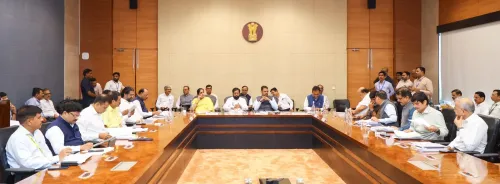
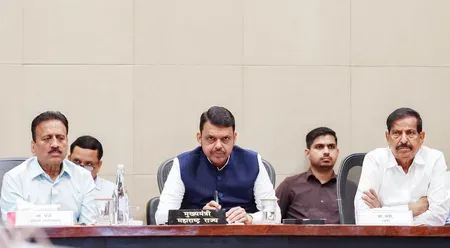
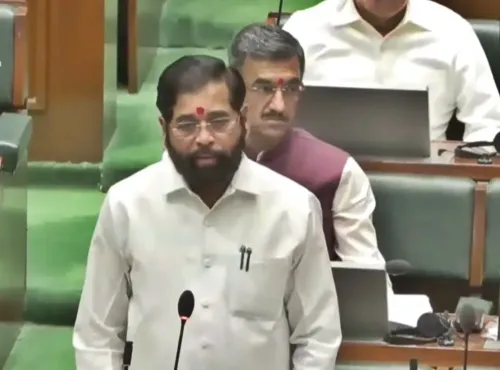
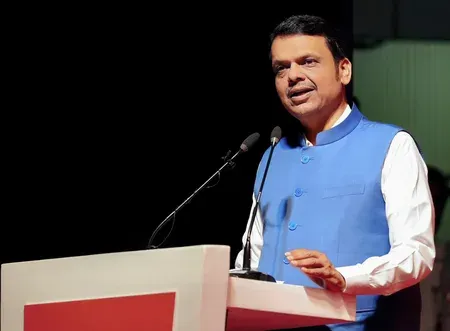
The Cabinet Committee on Infrastructure, chaired by Chief Minister Devendra Fadnavis, on Tuesday, 18 August approved two major infrastructure projects — Metro Line 13 (Mira Bhayander to Vasai-Virar) and the eastern extension of the Pune Ring Road (Sortapwadi to Varve-Shivare) — with a combined outlay of over ₹28,227 crore. The twin approvals mark one of the largest single-day infrastructure clearances for Mumbai Metropolitan Region (MMR) and Pune in recent years.
Metro Line 13: Key Details
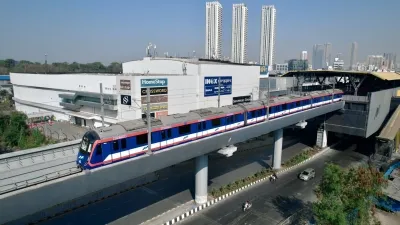
Metro Line 13, spanning 25.03 km across Thane and Palghar districts, will be executed by the Mumbai Metropolitan Region Development Authority (MMRDA) at an estimated cost of ₹17,724.99 crore. The corridor runs from Mira Bhayander to Vasai-Virar, connecting key nodes including Mira Road, Vasai, Nalasopara, Naigaon, and Virar.
Of its 16 proposed stations, 13 will be elevated and three underground, with the track comprising 21.78 km of elevated alignment and 3.25 km underground. A distinctive feature is a 4.92 km integrated double-decker structure over Vasai Creek connecting Panju Island, which will carry a six-lane (3+3) road alongside the metro line — an engineering first for the region. A metro depot is proposed at Chikhal Dongri.
The line will integrate with suburban railway stations at Naigaon, Nalasopara, and Virar, and offer an interchange with Metro Line 9 at Netaji Subhash Chandra Bose Stadium. Feeder bus services are planned at all stations. The project requires acquisition of 24.84 hectares of land, and CM Fadnavis directed officials to complete land acquisition and access road construction within six months.
Projected Impact of Metro Line 13
Daily ridership on Metro Line 13 is projected to reach approximately 4.49 lakh passengers by 2031. The project is expected to cut travel time by 50% compared to road transport, reduce private vehicle usage and highway congestion, lower carbon emissions, and strengthen connectivity between industrial, logistics, and suburban centres. Completion is targeted within five years from the date of approval.
Notably, the Vasai-Virar belt has seen rapid population growth over the past decade with limited mass transit options, making this corridor one of the most anticipated metro additions to the MMR network.
Pune Ring Road Eastern Extension: What Was Approved
The government also granted administrative approval for a revised cost of ₹10,502.36 crore for the eastern extension of the Pune Ring Road, to be implemented by the Maharashtra State Road Development Corporation (MSRDC). The 31.805 km access-controlled expressway will run from Sortapwadi (Valti) on the Pune-Solapur Road to Varve Budruk (Shivare) on the Pune-Satara Road.
Designed as a six-lane (three lanes on each side) corridor with a design speed of 120 km/h, the expressway will divert interstate and intrastate transit traffic away from Pune city limits to ease urban bottlenecks. Key structural features include one interchange, three major bridges, five minor bridges, 18 elevated structures or flyovers, and four tunnels, along with roadside afforestation and landscaping at interchanges.
Ring Road Network and Timeline
Once the eastern extension is integrated with existing stretches, the complete Pune Ring Road network will span 168.981 km, forming a continuous access-controlled bypass around the city. Land acquisition is already 80% complete, and project completion is targeted for June 2029. This comes amid mounting pressure on Pune's road infrastructure, which has struggled to absorb the city's expanding vehicle population and growing freight movement on key national highways.
Point of View
But the harder test is execution. Metro Line 13's land acquisition — 24.84 hectares across one of MMR's most densely contested corridors — has a six-month window that past MMRDA projects have routinely breached. The Pune Ring Road's revised cost of ₹10,502 crore signals cost escalation already embedded before a single tunnel is bored; with 20% of land still unacquired, the June 2029 deadline looks optimistic. Both projects are structurally sound in design, but Maharashtra's infrastructure record suggests the real story will be written not in Cabinet approvals but in quarterly progress reports.
NationPress
3 Oct 2026
Frequently Asked Questions
What is Metro Line 13 in Mumbai?
Metro Line 13 is a proposed 25.03 km metro corridor connecting Mira Bhayander to Vasai-Virar across Thane and Palghar districts in the Mumbai Metropolitan Region. Approved on 18 August at a cost of ₹17,724.99 crore, it will have 16 stations and is expected to carry 4.49 lakh passengers daily by 2031.
When will Metro Line 13 be completed?
Metro Line 13 is scheduled for completion within five years from the date of approval in August 2025. CM Devendra Fadnavis has directed that land acquisition and access road construction be finished within six months.
What is the Pune Ring Road eastern extension?
It is a 31.805 km access-controlled, six-lane expressway from Sortapwadi on the Pune-Solapur Road to Varve Budruk on the Pune-Satara Road, approved at a revised cost of ₹10,502.36 crore. The expressway aims to divert transit traffic away from Pune city to reduce urban congestion, with completion targeted by June 2029.
How will Metro Line 13 connect with existing transport networks?
Metro Line 13 will integrate with suburban railway stations at Naigaon, Nalasopara, and Virar, and offer an interchange with Metro Line 9 at Netaji Subhash Chandra Bose Stadium. Feeder bus services are planned at all 16 stations.
What is the total length of the Pune Ring Road once complete?
Once the eastern extension is integrated with existing stretches, the complete Pune Ring Road will span 168.981 km, forming a continuous access-controlled bypass around the city. Land acquisition for the eastern extension is already 80% complete.