Controversy Erupts in Maharashtra Legislative Council Over Teachers' Non-Academic Assignments
Synopsis
In a charged session of the Maharashtra State Legislature, a heated discussion emerged regarding the excessive non-academic tasks assigned to teachers. NCP legislator Vikram Kale raised concerns over the implications for educators, emphasizing the need for reform.
Key Takeaways
Teachers in Maharashtra face increasing non-academic duties.
NCP legislator Vikram Kale criticized the government for these assignments.
Concerns were raised about the impact on educational quality.
The government is considering measures to alleviate teacher workloads.
A meeting with stakeholders is planned to address these issues.
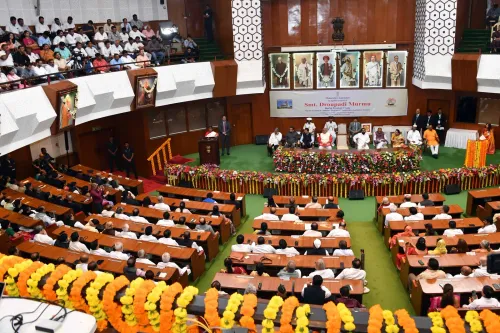
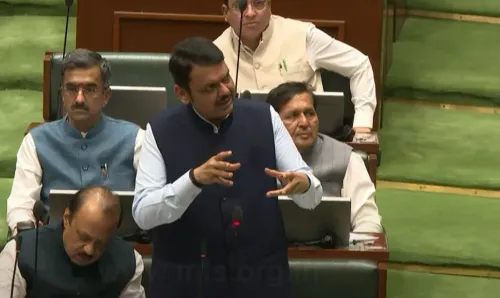
Mumbai, February 24 (NationPress) The second day of the Maharashtra State Legislature's budget session ignited a fervent debate regarding the increasing burden of non-academic responsibilities placed on school teachers.
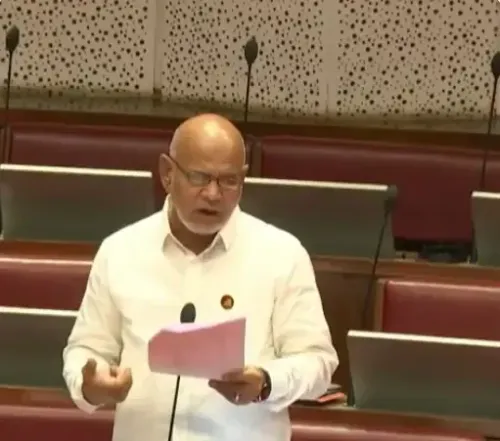
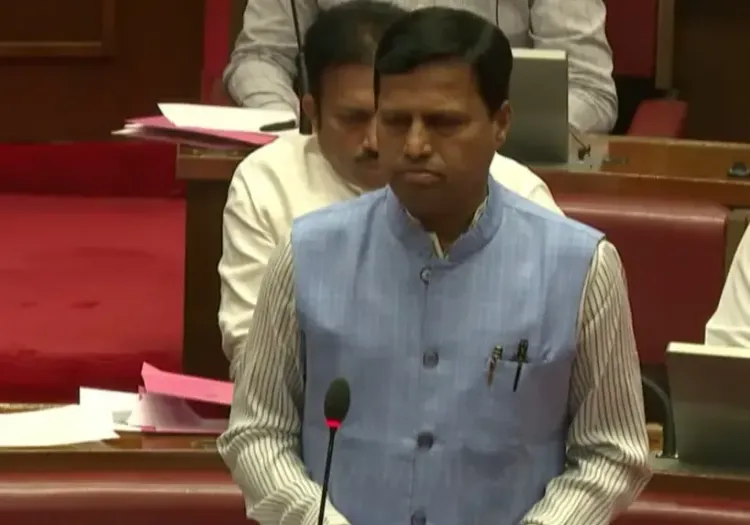
NCP member Vikram Kale presented a significant "Calling Attention" motion in the Legislative Council, shedding light on the distressing situation faced by educators who are being drawn away from their core teaching duties.
The discussion took an alarming twist when Kale accused the government of assigning teachers the task of "counting stray dogs," describing it as a severe affront to the teaching profession in a state that upholds the progressive values of Shahu, Phule, and Ambedkar.
"We revere them as 'Acharya' (honored teachers) and grant them a place of respect, yet we are asking them to count dogs? Whether it’s for election duties, updating voter lists, or even counting toilets, the government always turns to teachers instead of utilizing other personnel," Kale contended.
He further underscored the operational crisis prevailing in schools.
He provided an example where 45 out of 60 teachers in one school were assigned to Zilla Parishad election responsibilities, leaving merely 15 teachers to oversee 2,000 students. He claimed that when teachers express their grievances, District Collectors often threaten them with legal repercussions.
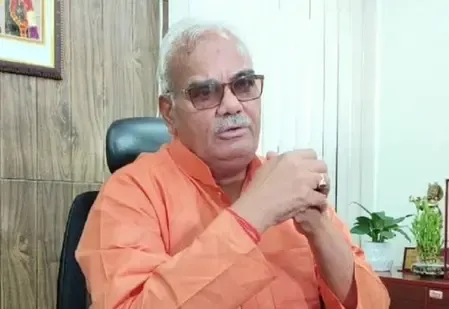
In response to these claims, Minister of State Pankaj Bhoyar clarified that the government has not officially instructed teachers to conduct a "dog census."
According to the Minister, the guidance stemmed from a Supreme Court ruling concerning public safety and hygiene. The directives given to schools were aimed at maintaining clean educational environments, ensuring adequate fencing to deter stray animals, and appropriately disposing of food waste to prevent attracting stray dogs.
"No teacher has been directed to count dogs. We are merely requesting them to guarantee a safe and hygienic atmosphere within their school grounds," Bhoyar stated.
The Minister reminded the assembly that under Section 27 of the Right to Education (RTE) Act, 2009, teachers are legally required to engage in three types of non-academic tasks, including decadal census activities, disaster relief efforts, and duties related to local, state, and parliamentary elections.
However, acknowledging the pressures faced by the teaching community, Bhoyar announced that the government is exploring new strategies to simplify reporting. Proposed measures include designating one Saturday a month specifically for administrative/non-academic tasks and evaluating the possibility of transferring reporting duties to local Setu (facilitation) centres to alleviate the workload on teachers.
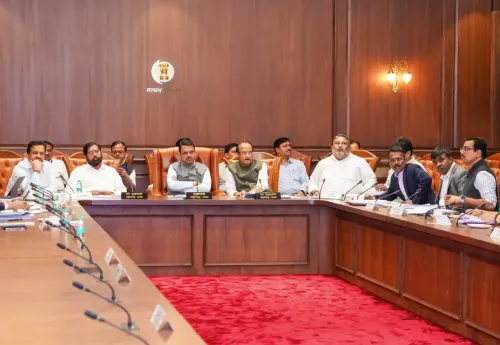
The Minister assured the assembly that a meeting would be convened with the Chief Minister and relevant stakeholders to identify a long-term solution after assessing the financial implications of these proposed changes.
Point of View
The ongoing discourse in Maharashtra's Legislative Council highlights the increasing pressure on educators due to non-academic responsibilities. This situation reflects broader systemic issues within the educational framework that warrant urgent attention.
NationPress
15 Oct 2026
Frequently Asked Questions
What non-academic duties are teachers being assigned?
Teachers in Maharashtra are reportedly being tasked with various non-academic duties, including election responsibilities and maintaining public safety standards in schools.
How many teachers were affected by the Zilla Parishad election duties?
In one instance, 45 out of 60 teachers at a school were assigned to Zilla Parishad election duties, leaving only 15 teachers to manage 2,000 students.
What did the Minister of State say about the dog counting allegations?
Minister Pankaj Bhoyar clarified that the government did not officially assign teachers to count dogs, stating the directive was related to maintaining hygiene and safety in schools.
What measures is the government considering to ease the burden on teachers?
The government is exploring designating one Saturday a month for administrative reporting and transferring some reporting tasks to local Setu centres.
What does the Right to Education Act say about teachers' non-academic duties?
Under the Right to Education Act, teachers are required to perform certain non-academic duties, including decadal census tasks, disaster relief, and election-related responsibilities.