Maharashtra Maha-ID: Digital citizen ID linked to Aadhaar for seamless public services
Synopsis
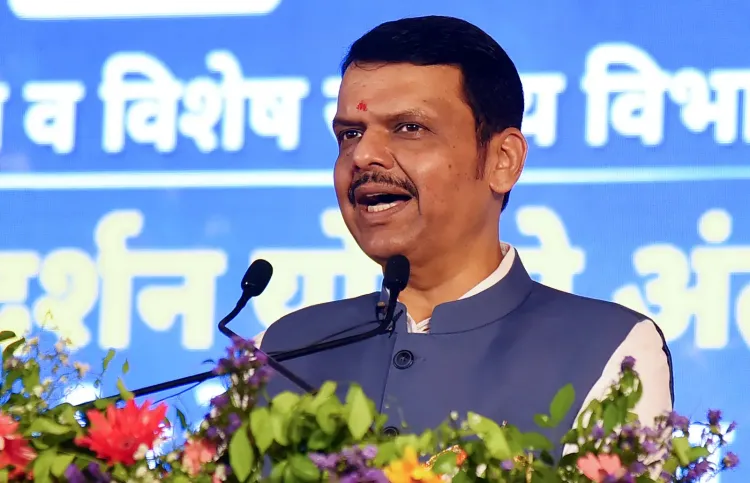
Maharashtra is rolling out a single Aadhaar-linked digital ID — the Maha-ID — that will let every citizen access all state government schemes, subsidies, and services without resubmitting documents. It is one of the most ambitious state-level digital governance moves in India, and CM Fadnavis is expected to formally announce it around Independence Day.
Key Takeaways
Maharashtra will issue a Maha-ID — an integrated digital identifier linked to each citizen's Aadhaar card .
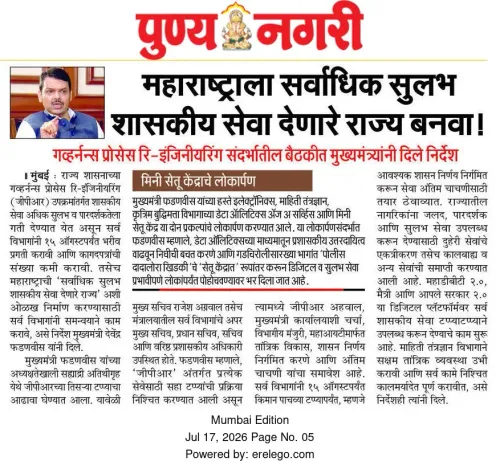
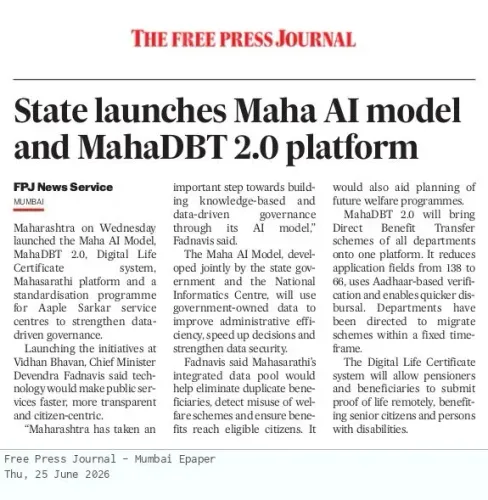
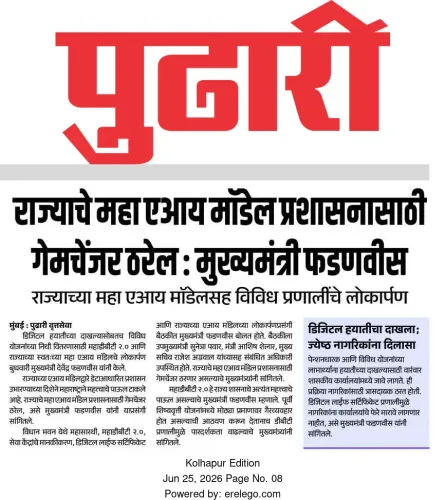
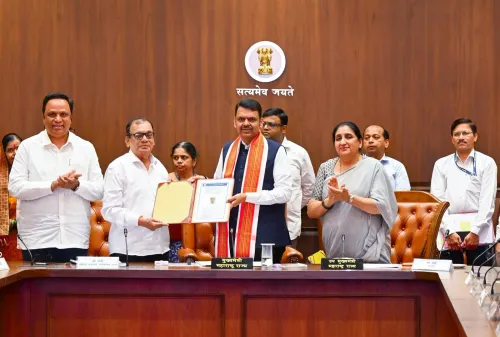
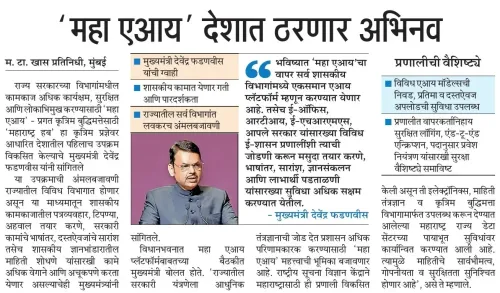
Chief Minister Devendra Fadnavis has directed all state departments to adopt AI and IT solutions for home-based service delivery.
The Maha-ID will be generated and managed through the Maha-Sarathi portal under the Electronics, Information Technology, and Artificial Intelligence Department .
Key beneficiaries include students , farmers , senior citizens , women entrepreneurs , and economically weaker sections .
Previously verified documents — such as domicile, income, and ration card records — will be reused automatically, ending redundant submissions.
The official project launch is expected shortly after Independence Day .
The Maharashtra state government is set to issue an integrated digital identification number called the 'Maha-ID' to every citizen, in a significant move to deliver fast, transparent, and seamless public services using artificial intelligence (AI) and information technology. The Maha-ID will not function as a standalone identity document but as a unified identifier linked directly to an individual's Aadhaar card, eliminating the need for repeated document submissions across departments.
What Is the Maha-ID
Chief Minister Devendra Fadnavis has directed all state government departments to adopt AI and IT solutions so citizens can access public services from their homes without visiting government offices. The Maha-ID sits at the centre of this digital governance overhaul. By quoting a single Maha-ID, residents will be able to access schemes, subsidies, information, and services across multiple state departments in one step.
Since government databases already hold critical records — including domicile certificates, income certificates, and ration card details — citizens will no longer be required to resubmit physical documents for each application. Previously verified data will be reused automatically across eligible services.
How the System Will Work
The initiative will be executed through the 'Maha-Sarathi' portal, operated under the Electronics, Information Technology, and Artificial Intelligence Department. According to government sources, citizens will register and submit the necessary details on the designated portal, after which a digital Maha-ID incorporating the Aadhaar framework will be generated. This single ID can then be used to apply for any government service.
Through the combined integration of the Maha-ID and the Maha-Sarathi portal, various government departments and digital platforms will be interlinked into a highly interoperable governance network. As state departments synchronise their data, information required by one department can be automatically fetched from another, dismantling long-standing operational silos.
Who Stands to Benefit
The unified system is expected to directly benefit students, farmers, senior citizens, women entrepreneurs, and economically weaker sections. Currently, students applying for state scholarships must register separately on education portals. Farmers seeking subsidies are repeatedly required to submit identity, land, and bank details. Beneficiaries of social welfare schemes often resubmit certificates already present in other department records — a redundancy the Maha-ID aims to eliminate entirely.
The initiative is also designed to do away with the burden of managing multiple accounts, remembering different usernames and passwords, and undergoing repeated identity verification for every government interaction.
Timeline and Rollout
The initiative is expected to be outlined by Chief Minister Fadnavis around Independence Day, with an official project launch following shortly after. The announcement positions Maharashtra as one of the first Indian states to attempt a comprehensive, Aadhaar-linked, single-ID digital governance architecture at scale. This comes amid a broader national push toward digital public infrastructure, building on frameworks like DigiLocker and the Unified Payments Interface (UPI) that have already reshaped citizen-state interactions in India.
Point of View
But ambition and execution are different things in Indian e-governance. Maharashtra has previously launched digital portals that struggled with adoption, data quality, and inter-departmental cooperation — the very problems this initiative promises to solve. The Aadhaar linkage is a strength, but it also concentrates risk: any data breach or authentication failure cascades across every service a citizen uses. The real test will be whether the Maha-Sarathi backend can actually synchronise live departmental databases, or whether it becomes yet another login layer over siloed systems. Farmers and scholarship students deserve the promised simplicity — they have been promised it before.
NationPress
14 Aug 2026
Frequently Asked Questions
What is Maharashtra's Maha-ID?
The Maha-ID is an integrated digital identification number that the Maharashtra government will issue to every citizen, linked directly to their Aadhaar card. It will serve as a single identifier for accessing all state government schemes, subsidies, and services without resubmitting documents each time.
How is the Maha-ID different from Aadhaar?
The Maha-ID is not a replacement for Aadhaar but an Aadhaar-linked state-level identifier. It acts as a unified access key for Maharashtra's government services, pulling already-verified data from state databases so citizens do not have to repeatedly submit documents like domicile or income certificates.
Which portal will be used to generate the Maha-ID?
Citizens will register on the 'Maha-Sarathi' portal, operated by Maharashtra's Electronics, Information Technology, and Artificial Intelligence Department. After submitting the required details, a digital Maha-ID will be generated and can be used for all government service applications.
Who will benefit most from the Maha-ID initiative?
The scheme is designed to benefit students applying for scholarships, farmers seeking subsidies, senior citizens, women entrepreneurs, and economically weaker sections — groups that currently face repeated document submission requirements across multiple government portals.
When will the Maha-ID be officially launched?
Chief Minister Devendra Fadnavis is expected to outline the initiative around Independence Day, with an official project launch scheduled shortly after. A precise date for full public rollout has not yet been announced.