Maharashtra's narco-mafia crackdown: Fadnavis unveils sweeping reforms, MCOCA invoked
Synopsis
Fadnavis is not just policing drugs — he is restructuring the entire institutional response. By invoking MCOCA against narcotics syndicates, deploying cyber units on encrypted channels, and threatening dismissal (not suspension) for complicit cops, Maharashtra is treating its drug problem as organised crime. Whether the architecture holds under legal and political pressure is the real question.
Key Takeaways
Maharashtra CM Devendra Fadnavis announced sweeping anti-narco reforms on 23 June during Question Hour in the state Assembly.
MCOCA has been invoked against drug syndicates, with transnational drug lord Mohammad Salim Dola recently arrested under its provisions.
Between January and April 2026 , 1,142 commercial-quantity drug cases were registered, 1,626 accused arrested, and drugs worth ₹254.53 crore seized.
All seven ANTF units are at full capacity; in 2025 , destroyed narcotics valued at ₹523.17 crore .
New measures include anti-drug cells in police stations, cyber monitoring of encrypted platforms, awareness drives across 3,000 campuses , and a citizen informant reward scheme.
Opposition parties alleged police complicity in shielding drug networks; Fadnavis said errant officers face dismissal , not suspension.
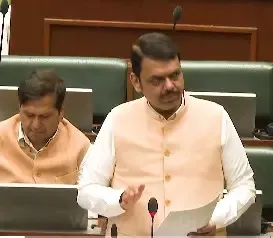
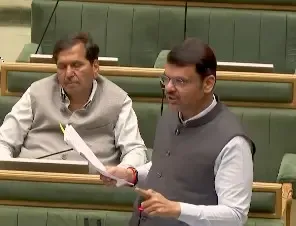
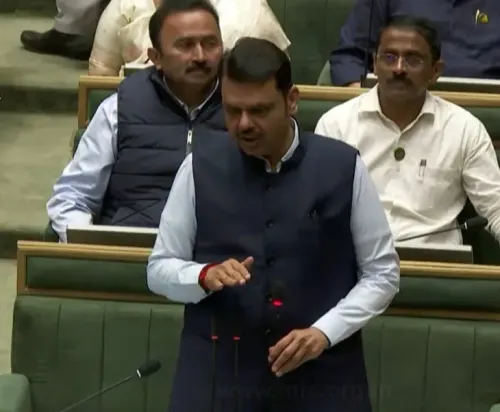
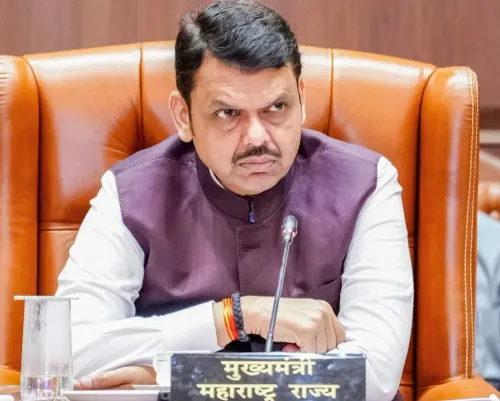
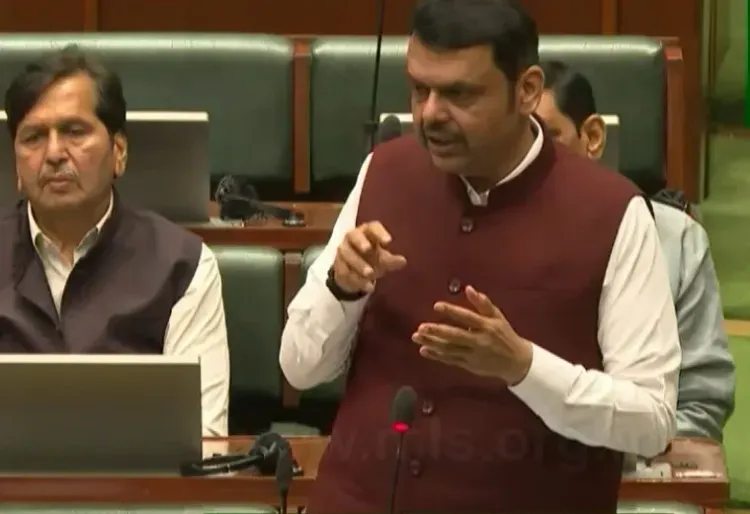
Maharashtra Chief Minister Devendra Fadnavis, who also holds the Home portfolio, on Tuesday, 23 June announced a sweeping institutional overhaul targeting the financial and operational networks of the state's narco-mafia, reaffirming a zero-tolerance stance on drug trafficking. The announcement came during Question Hour in the state Assembly in Mumbai.
MCOCA Invoked Against Drug Syndicates
Fadnavis cited the recent arrest of transnational drug lord Mohammad Salim Dola, alias Salim Ismail Dola, to justify the state's decision to invoke the stringent Maharashtra Control of Organised Crime Act (MCOCA) against narcotics syndicates. Responding to Opposition criticism over applying an anti-organised crime law to drug cases, he argued that provisions under the Narcotic Drugs and Psychotropic Substances (NDPS) Act often allow cartel leaders to exploit legal loopholes, secure bail, and continue operations through proxies.
'Drug trafficking is no longer a localised petty crime or simple possession case; it is a highly organised, heavily structured financial syndicate that behaves exactly like an underworld mafia,' Fadnavis said.
Key Structural Reforms Announced
The Chief Minister said the anti-narcotics effort requires coordinated action across multiple departments rather than isolated police interventions. Among the reforms announced:
Specialised anti-drug cells and expanded testing facilities will be integrated into police stations across urban and rural Maharashtra. Municipal corporations and local police have been directed to clear unauthorised shops, kiosks, and illegal structures within a 100-metre radius of schools and colleges. The Cyber Department will monitor encrypted messaging platforms and social media channels used for drug distribution. The Education and Social Justice Departments will run awareness programmes across 3,000 campuses. A citizen reward scheme with guaranteed anonymity has also been launched for credible tip-offs on drug networks. Additionally, a high-level committee will spearhead the 'Drug-Free Mumbai' campaign.
Enforcement Numbers: January–April 2026
Fadnavis disclosed that between January and April 2026, Maharashtra registered 1,142 cases involving commercial quantities of narcotics, leading to the arrest of 1,626 accused persons. Drugs worth ₹254.53 crore were seized, and 3,199 drug-consumption cases were also registered during the period. All seven units of the Anti-Narcotics Task Force (ANTF) are operating at full capacity across the state. In 2025, the ANTF and local police destroyed seized narcotics valued at ₹523.17 crore.
Opposition Alleges Police Complicity
Jayant Patil of the NCP (Sharadchandra Pawar) alleged that extortion and bribery by some police personnel were shielding drug syndicates, and called for Maharashtra Police teams to be deployed at major inter-state ports handling narcotics consignments. Jitendra Awhad of the NCP (SP) contended that large-scale drug operations could not function without institutional support. Shiv Sena (UBT) leader Sunil Prabhu said drug peddling had spread to local neighbourhoods despite repeated resident complaints.
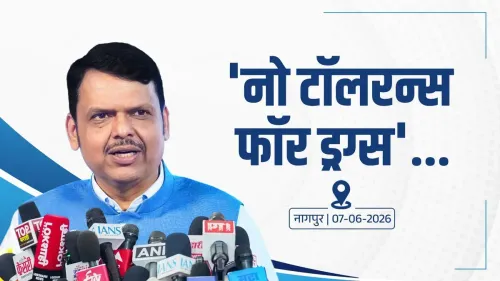
Fadnavis defended the force while acknowledging the need for accountability. 'Any police officer or constable found guilty of colluding with drug traffickers is being dismissed from service. We have zero tolerance for black sheep within the department,' he said, specifying that errant personnel would face dismissal rather than suspension.
What Comes Next
The high-level 'Drug-Free Mumbai' committee is expected to begin oversight operations imminently, while the 3,000-campus awareness drive and cyber-monitoring of encrypted drug-distribution channels are set to roll out in parallel. Whether the MCOCA framework withstands legal challenges from cartel-linked defence teams will be a critical test of the strategy's durability.
Point of View
Not merely a law-enforcement nuisance. But the Opposition's allegations of police complicity are the harder problem: no institutional overhaul survives a compromised enforcement chain. Fadnavis's choice of dismissal over suspension for errant officers is pointed, yet the track record of such promises in Maharashtra policing is uneven. The 3,000-campus awareness drive and citizen reward scheme are demand-side measures that rarely move the needle without sustained follow-through — and with ₹523.17 crore in narcotics destroyed in 2025 alone, the supply pipeline remains disturbingly robust.
NationPress
23 Jun 2026
Frequently Asked Questions
What reforms did Fadnavis announce against Maharashtra's drug mafia?
Chief Minister Devendra Fadnavis on 23 June announced a multi-pronged overhaul including anti-drug cells at police stations statewide, cyber monitoring of encrypted drug-distribution channels, awareness drives across 3,000 campuses, a citizen informant reward scheme, and a high-level committee for the 'Drug-Free Mumbai' campaign. MCOCA has also been invoked against narcotics syndicates.
Why is Maharashtra applying MCOCA to drug trafficking cases?
Fadnavis argued that the NDPS Act allows cartel leaders to exploit legal loopholes, secure bail, and continue operations through proxies. By invoking MCOCA, the government aims to treat drug syndicates as organised crime outfits, making it harder for leaders to obtain bail and easier to target their financial networks.
What are Maharashtra's drug enforcement numbers for 2026?
Between January and April 2026, Maharashtra registered 1,142 cases involving commercial quantities of narcotics, arrested 1,626 accused, and seized drugs worth ₹254.53 crore. An additional 3,199 drug-consumption cases were also registered in the same period.
What did the Opposition allege during the Assembly debate?
NCP (Sharadchandra Pawar)'s Jayant Patil alleged that police extortion and bribery were shielding drug syndicates, and called for police deployment at inter-state ports. NCP (SP)'s Jitendra Awhad claimed large-scale drug operations require institutional support, while Shiv Sena (UBT)'s Sunil Prabhu said peddling had spread to local neighbourhoods despite complaints.
What action is being taken against police officers linked to drug networks?
Fadnavis stated that any officer or constable found colluding with drug traffickers is being dismissed from service — not merely suspended. He described this as a zero-tolerance policy for 'black sheep' within the department.