Maharashtra OBC non-creamy layer cap may rise to ₹15 lakh from ₹8 lakh
Synopsis
Maharashtra's OBC sub-committee has recommended nearly doubling the non-creamy layer income ceiling — from ₹8 lakh to ₹15 lakh — a change that could pull a large chunk of the middle-class OBC population back into the reservation net. With spelling errors in official documents already blocking 27–32 communities from benefits, the panel's meeting exposed how administrative failures are quietly eroding entitlements on the ground.
Key Takeaways
Maharashtra's Cabinet Sub-Committee on OBC Welfare recommended raising the non-creamy layer income ceiling from ₹8 lakh to ₹15 lakh per annum on 19 May 2025 .
The recommendation is pending finalisation in a meeting with Chief Minister Devendra Fadnavis .
A formal proposal has been submitted to the NCBC seeking inclusion of 43 new castes from Maharashtra in the Central OBC list.
Spelling errors in official documents have reportedly deprived 27 to 32 communities of government benefits; an expedited rectification proposal will be sent to the Centre.
Land acquisition for OBC student hostels across 10 districts and a District Collectors meeting on caste certificates are both scheduled for next week.
The Maharashtra government's Cabinet Sub-Committee on OBC Welfare on Tuesday, 19 May recommended raising the Other Backward Classes (OBC) non-creamy layer income ceiling from ₹8 lakh to ₹15 lakh per annum — a move that could extend reservation benefits to a significantly larger share of the state's middle-class OBC population. The recommendation now awaits finalisation in a dedicated meeting with Chief Minister Devendra Fadnavis.
What the Sub-Committee Decided
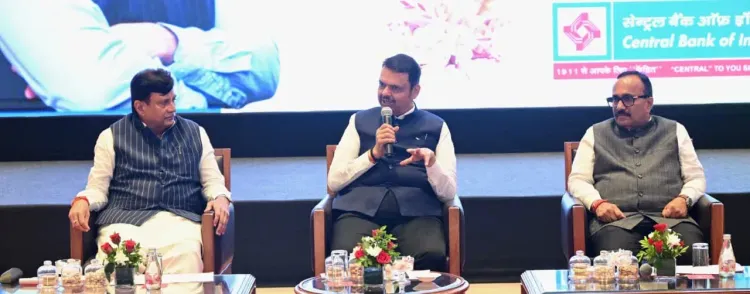
The high-level meeting was chaired by State Revenue Minister Chandrashekhar Bawankule and attended by Food and Civil Supplies Minister Chhagan Bhujbal, Forest Minister Ganesh Naik, Water Supply Minister Gulabrao Patil, Soil and Water Conservation Minister Sanjay Rathod, and OBC Welfare Minister Atul Save, alongside senior bureaucrats. The panel reviewed several critical policy matters and issued a range of directives covering caste certificates, student hostels, and pending legal cases.
Separately, the sub-committee confirmed that a formal proposal has been submitted to the National Commission for Backward Classes (NCBC), urging the inclusion of 43 new castes from Maharashtra into the Central government's official OBC list.
The Case for Raising the Threshold
The demand to revise the non-creamy layer ceiling has been a long-standing one across multiple states. Proponents argue that successive salary revisions — including those mandated by the 7th Pay Commission — combined with inflation and a rising cost of living have pushed many middle-class salaried families past the ₹8 lakh mark, even as their actual economic circumstances leave them unable to afford quality private education or compete without state support. Raising the ceiling to ₹15 lakh would, according to government sources, bring a large segment of the middle-class OBC population back within the ambit of reservation benefits.
Caste Certificates and Administrative Reforms
The sub-committee directed that special camps currently being organised across the state to distribute caste certificates must strictly issue documents only to genuine and eligible applicants. Minister Bawankule announced that a meeting with District Collectors will be held next week to enforce strict protocols and prevent wrongful issuance.
A dedicated review meeting next week will also work to clear land acquisition hurdles across 10 districts for the construction of OBC student hostels and departmental offices.
Spelling Errors Costing Communities Their Rights
Prominent OBC activist Laxman Hake, a special invitee at the meeting, flagged a striking administrative lapse: structural spelling mistakes in official government documents have reportedly deprived between 27 and 32 communities of government benefits. The committee committed to sending an expedited proposal to the Central government to rectify these anomalies immediately.
In line with Bombay High Court directives, the panel also instructed authorities to fast-track resolution of pending cases before the Caste Scrutiny Committee, streamline educational concessions for OBC students, and expedite appointments to various state corporations.
What Comes Next
The recommendation to raise the non-creamy layer ceiling is not yet policy — it requires formal approval from Chief Minister Fadnavis, and any revision to the Central ceiling would ultimately need concurrence from the Union government. The sub-committee's proposal to add 43 castes to the Central OBC list is similarly pending NCBC review. How quickly both tracks move will determine whether the state's OBC welfare push translates into tangible relief before the next electoral cycle.
Point of View
But it sidesteps a harder question: whether the existing reservation framework is delivering outcomes for the communities already within it. The revelation that spelling errors in official documents have silently cut off 27–32 communities from benefits is the more urgent story — it points to a bureaucratic failure that no income threshold revision can fix. The NCBC proposal for 43 new castes, meanwhile, will face scrutiny at the Centre, where the OBC list expansion has historically moved slowly. Maharashtra's sub-committee has generated significant political momentum; whether it generates policy change is another matter entirely.
NationPress
26 Sept 2026
Frequently Asked Questions
What is the Maharashtra OBC non-creamy layer income ceiling change being proposed?
The Maharashtra Cabinet Sub-Committee on OBC Welfare has recommended raising the non-creamy layer income ceiling for OBCs from ₹8 lakh to ₹15 lakh per annum. The proposal still requires approval from Chief Minister Devendra Fadnavis and, for any Central-level change, concurrence from the Union government.
Why is the non-creamy layer ceiling being raised?
Proponents argue that 7th Pay Commission salary hikes, inflation, and a rising cost of living have pushed many middle-class OBC families above the ₹8 lakh threshold, even though they cannot afford quality private education or compete without state support. Raising the ceiling to ₹15 lakh would bring them back within the ambit of reservation benefits.
What is the proposal to add 43 castes to the Central OBC list?
The Maharashtra sub-committee has submitted a formal proposal to the National Commission for Backward Classes (NCBC) seeking the inclusion of 43 new castes from the state in the Central government's official OBC list. Approval rests with the NCBC and the Union government.
How have spelling errors in documents affected OBC communities?
OBC activist Laxman Hake, a special invitee at the meeting, flagged that structural spelling mistakes in official government documents have reportedly deprived between 27 and 32 communities of government benefits. The sub-committee has committed to sending an expedited rectification proposal to the Centre.
What other decisions did the OBC sub-committee take?
The sub-committee directed strict protocols for caste certificate issuance, scheduled a District Collectors meeting for next week, planned a review to secure land in 10 districts for OBC student hostels, and instructed authorities to fast-track Caste Scrutiny Committee cases and educational concessions in line with Bombay High Court directives.