Is Maharashtra on the Brink of Achieving Maoist-Free Status?
Synopsis
Maharashtra is on the verge of achieving Maoist-free status ahead of the Union government's 2026 target. Chief Minister Devendra Fadnavis outlines strong security measures and development initiatives to combat the Maoist threat and improve local communities.
Key Takeaways
Maharashtra is approaching Maoist-free status ahead of schedule.
Strong police and government initiatives are key to this progress.
New police posts will be established in remote areas to curb activities.
Local communities will benefit from enhanced government schemes.
Infrastructure projects will improve connectivity and local economies.
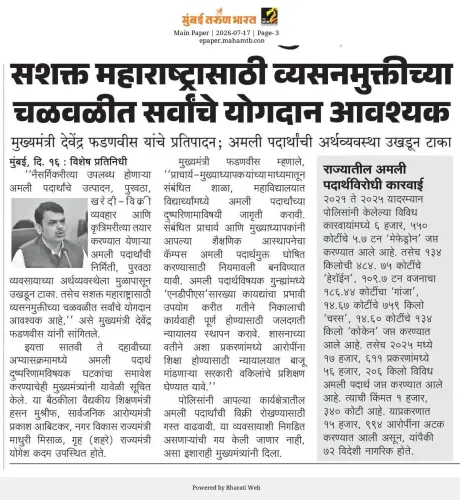
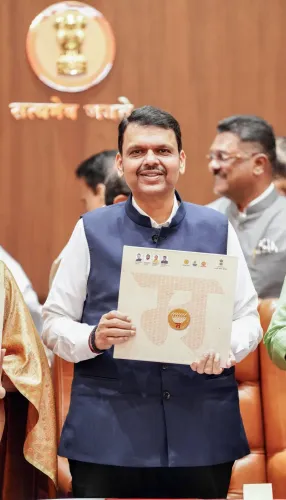
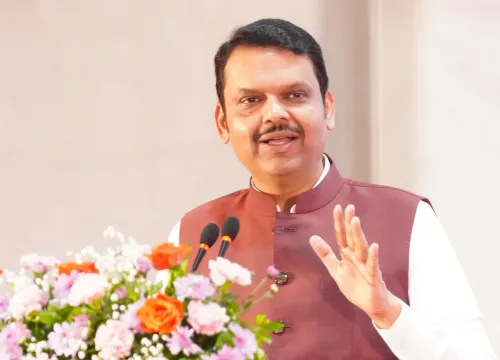
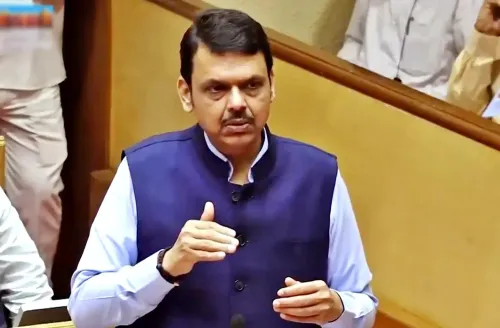
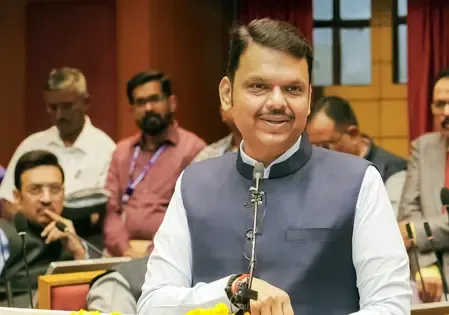
Nagpur, Dec 12 (NationPress) Maharashtra's Chief Minister Devendra Fadnavis stated on Friday that while the central government aims for 2026 to eradicate the Maoist threat nationwide, Maharashtra is making significant strides and is poised to become Maoist-free.
He attributed this progress to the state government’s clear policy framework and the dedicated efforts of the police.
During a review meeting of the State-Level Committee on the National Plan and Action Framework, Fadnavis issued several directives to enhance security measures and boost development initiatives in affected areas.
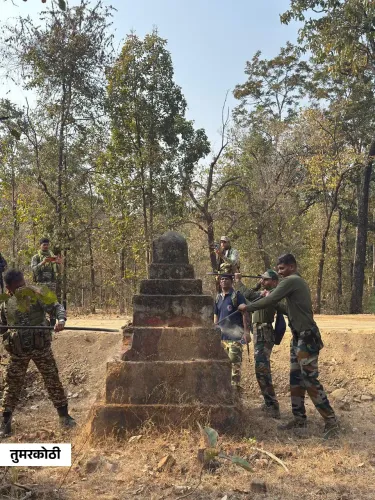
He emphasized the establishment of new police posts in remote regions to curb Maoist activities, ensuring these posts are equipped with sufficient personnel and facilities for sustained operations.
The Chief Minister also mandated that all villagers benefit from government schemes and urged the creation of job opportunities for local youth. He proposed the establishment of markets for local product sales. Fadnavis commended the police for their efforts, which have led to the surrender of numerous Maoists with bounties.
He instructed that the process to reward the Gadchiroli Police with a one crore rupee sum be expedited, acknowledging their role in diminishing Maoist influence and facilitating the surrender of senior Maoist figures.
Furthermore, Fadnavis urged that police officers excelling in anti-Maoist operations receive timely promotions. He insisted that proposals concerning Gadchiroli requiring ministry approval be prioritized and processed according to regulations.
The CM called for immediate action to establish a new Superintendent of Police office in Gadchiroli, assuring that state funds would be allocated. He also requested that the procurement of 33 new police vehicles be completed swiftly.
In reference to the police post established at the site of a tragic 2009 Maoist attack that resulted in the deaths of 17 police officers in Laheri, Bhamragad taluka, Fadnavis noted that this new post has bolstered public confidence in the police. He characterized it as a clear indication that the Maoist influence is waning.
“The government is actively challenging the Maoist movement through robust development initiatives, especially in connectivity. Construction is set to commence on the 17.30 km Dhodraj-Nilgunda-Kawande road. Additional projects include the construction of the Korma Nala Bridge and the Bedre Bridge beyond Kawande, improving road access to Bijapur,” he remarked.
Fadnavis also announced the development of a 750-metre bridge over the Indravati River on the Damrancha-Sandra route. To enhance communication in Gadchiroli, he reported a significant increase in mobile towers, with 271 operational by 2022 and plans for an additional 521 towers from 2023 to 2025.
Point of View
The achievements in Maharashtra reflect strong governance and a proactive approach towards security and development. The state's commitment to eradicating the Maoist influence through a combination of police action and community development is commendable and should serve as a model for other regions facing similar challenges.
NationPress
24 Sept 2026
Frequently Asked Questions
What is Maharashtra's target year for becoming Maoist-free?
Maharashtra aims to achieve a Maoist-free status ahead of the Union government's target of 2026.
What initiatives are being implemented to combat Maoism in Maharashtra?
The state is enhancing security measures, establishing new police posts, and launching development projects to create job opportunities in affected areas.
How is the Maharashtra government supporting local communities?
The government is ensuring that local villagers benefit from government schemes and is promoting local product markets to boost the economy.
What recognition is being given to the Gadchiroli Police?
The Gadchiroli Police are set to receive a one crore rupee reward for their efforts in diminishing Maoist influence.
What infrastructure projects are planned in Maharashtra?
Key projects include the construction of new roads and bridges to improve connectivity in remote areas.