Maharashtra Government Secures Rs 3,708 Crore from JICA for Healthcare Enhancement
Synopsis
In a landmark decision, the Maharashtra cabinet has approved a project to bolster medical education and healthcare infrastructure with a funding of Rs 3,708 crore from JICA. This initiative promises to revolutionize the state's healthcare landscape.
Key Takeaways
Investment: Rs 3,708 crore allocated for healthcare enhancement.
JICA: Financial support from Japan International Cooperation Agency.
Focus: Strengthening medical education and nursing services.
Recruitment Reform: Introduction of 'No Interview Policy' for certain positions.
Infrastructure Development: New medical and nursing colleges to be established.
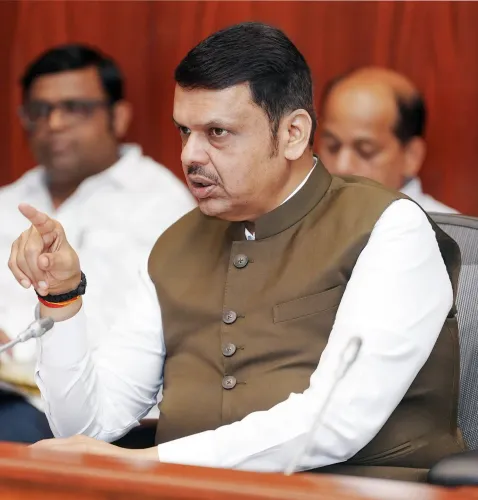
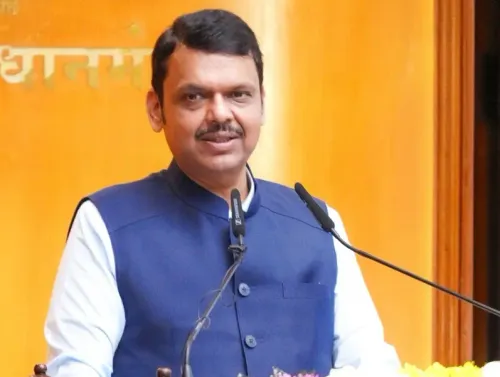
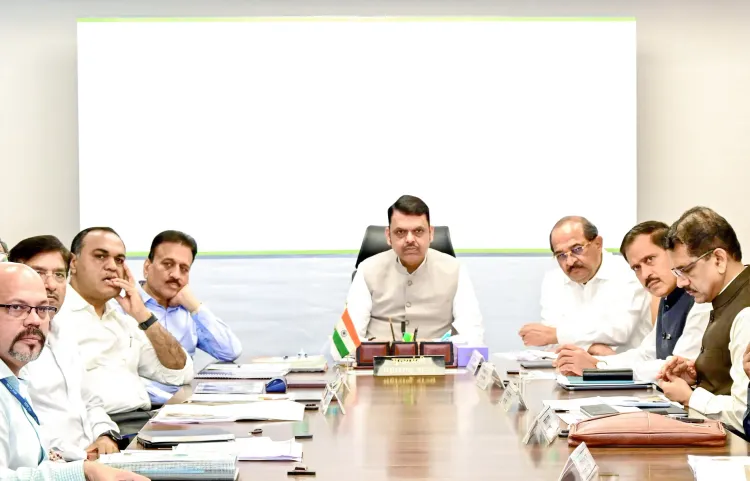
Mumbai, April 13 (NationPress) The Maharashtra cabinet, led by Chief Minister Devendra Fadnavis, has sanctioned a significant initiative to enhance medical education, nursing, and healthcare services throughout the state, backed by a funding of Rs 3,708 crore from the Japan International Cooperation Agency (JICA).
The initiative, named "Enhancing Tertiary Health Care Delivery, Medical Education Framework, and Nursing System in Maharashtra," is aimed at upgrading infrastructure and equipping medical and nursing colleges with cutting-edge technology.
As per the announcement, allocations will be directed towards the establishment of new Government Medical Colleges in Wardha, Palghar, Ratnagiri, and Ahilyanagar; the enhancement of nursing colleges at GT Hospital and St George's in Mumbai, as well as other locations like Dhule, Solapur, Ambajogai, Akola, IGMC Nagpur, Ratnagiri, Palghar, and Dharashiv; and the construction of new nursing institutions in Baramati, Sangli (Miraj), and Kolhapur.
Moreover, the government has earmarked funds for advanced medical technology for Government Medical Colleges in Ahilyanagar, Bhandara, Gadchiroli, Hingoli, Jalna, Mumbai, Nashik, Parbhani, Satara, Palghar, Ratnagiri, and Wardha.
Additionally, provisions are in place for human resource development, focusing on improving skills in hospital management and administration through the Indo-Japan Academic Exchange Programme.
An official stated that this initiative is designed to deliver affordable medical services to the people of the state.
In a related decision, the cabinet approved an extensive reform agenda in line with the "Viksit Maharashtra 2047" vision, aimed at streamlining the recruitment process and expanding opportunities for job seekers.
The Maharashtra Public Service Commission will see an increase in the number of cadres to 102, incorporating 18 new services and 93 additional cadres.
In a significant relief for recent graduates, the previous mandatory experience requirement for direct recruitment will be largely eliminated.
A "No Interview Policy" for non-gazetted Group-B and Group-C positions has been greenlit to ensure a more efficient and transparent selection process. This initiative mirrors the Union Public Service Commission’s "Pratibha Setu" platform, which will provide data on candidates who reached the interview stage but were not selected to potential employers in both private and public sectors.
The cabinet has also classified outdated roles as "Dying Cadres" and intends to focus on creating new positions that demand Artificial Intelligence expertise. The recruitment process will now employ DigiLocker for instantaneous, paperless verification of educational and caste certificates.
Point of View
This initiative represents a significant investment in Maharashtra's healthcare system, promising advancements in medical education and nursing. The government's proactive approach is commendable, aiming at improving infrastructure and providing better medical services to citizens. The focus on reducing barriers to recruitment is also a positive step for job seekers in the state.
NationPress
22 Sept 2026
Frequently Asked Questions
What is the total funding allocated for the healthcare initiative?
The Maharashtra cabinet has approved a funding of Rs 3,708 crore for enhancing medical education and healthcare services.
Which agency is providing the financial support?
The financial assistance is being provided by the Japan International Cooperation Agency (JICA).
What are the key areas of focus for the project?
The project focuses on strengthening medical education, nursing, and healthcare services, including infrastructure development and advanced medical equipment.
Will there be changes in the recruitment process for government jobs?
Yes, the cabinet has approved a 'No Interview Policy' for certain posts to streamline the recruitment process and increase transparency.
How will this initiative affect healthcare services in Maharashtra?
This initiative aims to provide affordable and improved medical care to the citizens of Maharashtra by enhancing the overall healthcare infrastructure.