When Will Elections for Zilla Parishads and Panchayat Samitis in Maharashtra Be Held?
Synopsis
Mark your calendars! Elections for Maharashtra's zilla parishads and panchayat samitis are set for February 5. With 2.09 crore voters and crucial political implications, the outcomes will shape the future of local governance. Find out everything you need to know about the nomination process, voter eligibility, and the significance of these elections.
Key Takeaways
Election date: February 5.
Vote counting on February 7.
12 zilla parishads and 125 panchayat samitis involved.
Nomination process from January 16 to 21.
MCC in effect to ensure fair elections.
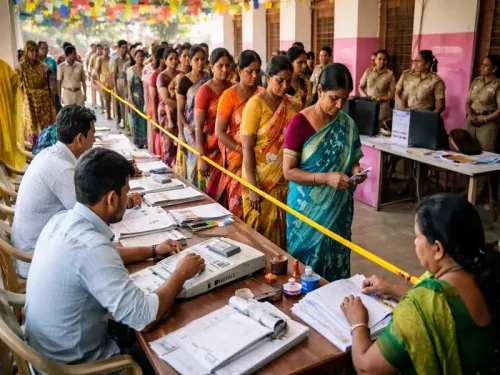
Mumbai, Jan 13 (NationPress) The Maharashtra State Election Commission (SEC) has declared that elections for the 12 zilla parishads and 125 panchayat samitis will take place on February 5.
The vote counting will be conducted on February 7.
The 12 zilla parishads within the permissible quota limit of 50 percent include Pune, Satara, Sangli, Solapur, Kolhapur, Raigad, Ratnagiri, Sindhudurg, Chhatrapati Sambhajinagar, Parbhani, Dharashiv, and Latur.
The 125 panchayat samitis are under these specified zilla parishads.
The nomination process will commence from January 16 to 21, with scrutiny on January 22 and the option to withdraw nominations until January 27.
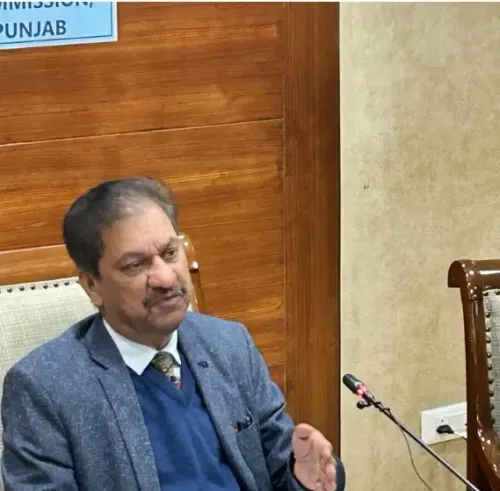
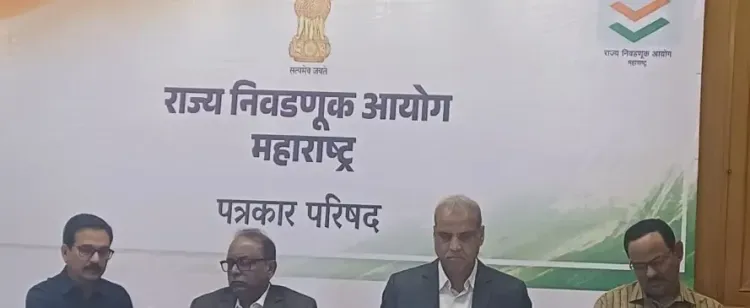
This announcement was made by SEC Dinesh Waghmare, accompanied by Secretary Suresh Kakani and other officials.
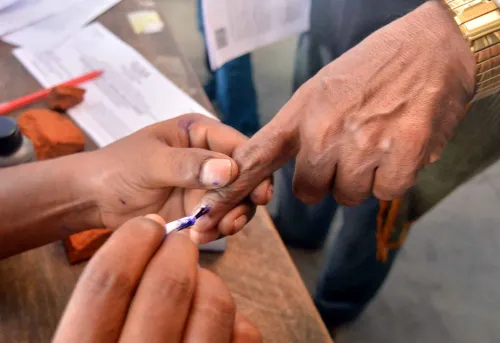
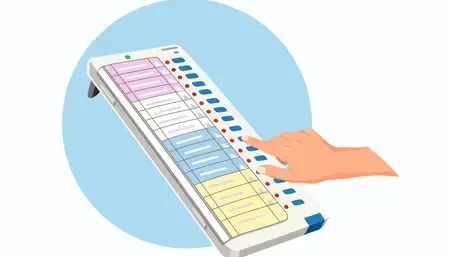
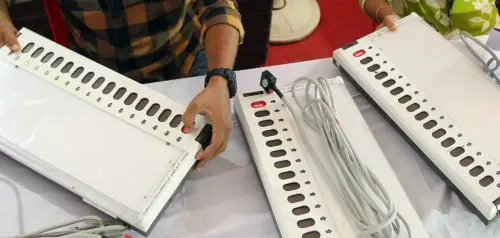
The elections will utilize electronic voting machines (EVMs).
A total of 25,482 polling stations will be established for these local body elections.
During these elections, the voter list as of July 1, 2025, will be used, which was finalized on November 27.
Although the inclusion or deletion of voters falls outside the SEC's jurisdiction, the SEC has managed to identify duplicate voters.
The SEC reports a total of 2.09 crore voters, including 1.07 crore males, 1.02 crore females, and 473 others. A total of 731 members will be elected from the 12 zilla parishads, while 1,462 members will be elected from the 125 panchayat samitis.
This decision follows the Supreme Court's acceptance of the SEC's request to extend the deadline for these elections beyond the previously set January 31 deadline.
The SEC had initially sought an extension until February 10, but the Supreme Court granted an extension to February 15, directing that the polls for the 12 zilla parishads and 125 panchayat samitis be completed by then.
Currently, elections for 32 zilla parishads and 336 panchayat samitis remain pending across Maharashtra.
Among these, 20 zilla parishads and 211 panchayat samitis exceed the 50 percent reservation cap, and their elections will depend on the apex court's ruling.
Thus, the SEC is prioritizing the elections for the 12 districts and 125 panchayat samitis that comply with legal reservation limits.
The Model Code of Conduct (MCC) has been activated in the respective zilla parishad and panchayat samiti regions since Tuesday, following the election schedule announcement.
While the MCC is effective in these areas, no announcements or actions that could sway voters in these local bodies can be made elsewhere.
Nonetheless, SEC Waghmare stated that the model code will not impede efforts related to natural disasters.
Adherence to the model code is mandatory as per orders issued by the SEC on November 4, 2025.
Since elections for zilla parishads and panchayat samitis occur simultaneously, each voter must cast one vote for the zilla parishad electoral division and another for the panchayat samiti electoral college. Thus, a single voter is expected to cast two votes,” added SEC Waghmare.
During the Municipal Council and Nagar Panchayat elections, facilities for online submission of nomination papers and affidavits will be provided.
However, due to requests from various political parties and candidates, nomination papers were also accepted using the traditional offline method during the concluding phase of those elections.
Subsequently, offline submissions were also permitted for the Municipal Corporation elections.
“In a similar manner, for the zilla parishad and panchayat samiti elections, nomination papers will now be accepted offline,” stated the SEC.
Candidates contesting reserved seats must submit their caste certificate and caste validity certificate with their nomination papers.
“If the validity certificate is not included, a true copy of the application submitted to the Caste Scrutiny Committee or any proof of application for it must be provided. If the elected candidate fails to present the Caste Validity Certificate within six months from the date of the results declaration, their election will be canceled retroactively,” the SEC clarified.
The primary cause of the delay has been the legal disputes over OBC (Other Backward Classes) quotas.
In 2021, the Supreme Court nullified the 27 percent OBC reservation in local bodies, as it exceeded the 50 percent ceiling established by the Indra Sawhney judgment.
The court mandated a “triple test” (forming a commission, gathering empirical data, and ensuring total reservations do not exceed 50 percent) before the quota could be reinstated.
This has resulted in a prolonged process involving data collection and legal challenges.
These elections are often referred to as “Mini Assemblies” because they mirror the grassroots sentiments of rural and semi-urban voters.
For major alliances in Maharashtra, these results are pivotal as they build momentum for upcoming state-level contests.
Point of View
It is essential to understand their significance in the democratic fabric of Maharashtra. This democratic process not only empowers local governance but also reflects the collective voice of the people. The upcoming elections will serve as a litmus test for the political alliances in the state.
NationPress
19 Sept 2026
Frequently Asked Questions
When are the elections for zilla parishads and panchayat samitis in Maharashtra?
The elections are scheduled for February 5, with vote counting on February 7.
What is the nomination process for candidates?
Nominations can be filed from January 16 to 21, with scrutiny on January 22 and withdrawal until January 27.
How many voters are eligible to vote?
There are approximately 2.09 crore eligible voters, including both male and female voters.
What is the significance of these elections?
These elections are crucial as they impact local governance and reflect the electorate's sentiments, often referred to as 'Mini Assemblies.'
What is the Model Code of Conduct?
The MCC aims to ensure fair elections by regulating activities during the election period, effective from the announcement of the election schedule.