How Does the Parliamentary Study Class Enhance Understanding of Democratic Processes?
Synopsis
Discover how the Parliamentary Study Class in Maharashtra is a crucial initiative for enhancing citizens' understanding of the democratic process. Chief Minister Devendra Fadnavis emphasizes its role in bridging theoretical knowledge and practical experience in governance.
Key Takeaways
Understanding of Democratic Processes: The class provides a detailed exploration of how democracy operates.
Constitutional Framework: Participants learn about the Constitution's role in governance.
Legislative Functions: Insight into the workings of the Legislative Assembly and Legislative Council .
Empowering Citizens: Aims to empower individuals to engage actively in democratic processes.
Skills Development: Focus on enhancing communication and awareness based on democratic principles.
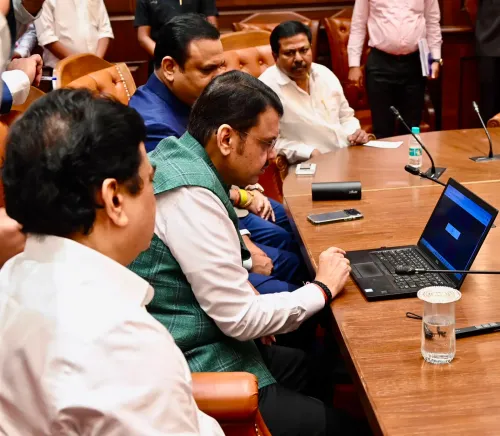
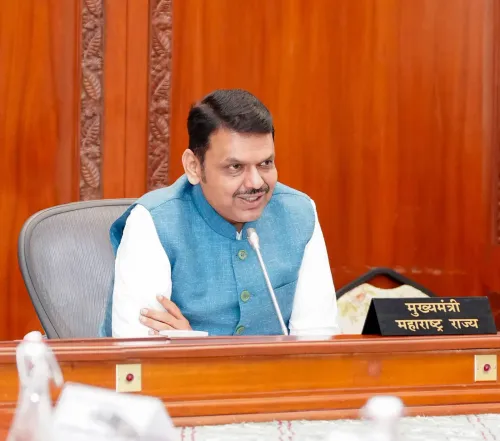
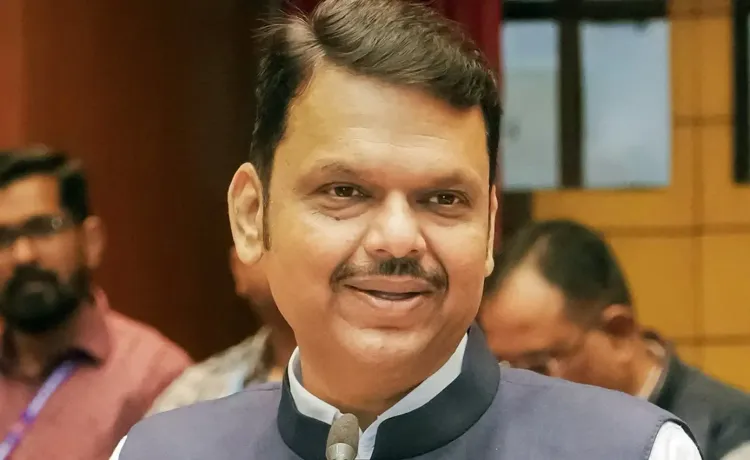
Nagpur, Dec 9 (NationPress) Maharashtra Chief Minister Devendra Fadnavis stated on Tuesday that the Parliamentary Study Class offers a unique chance to gain a deeper insight into the democratic process.
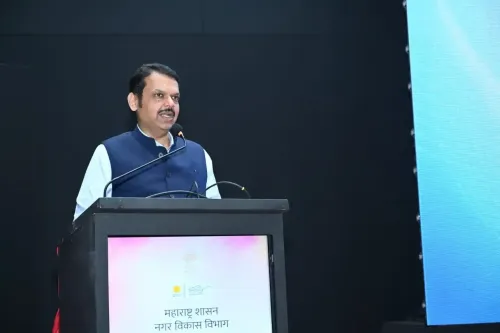
During his address at the inauguration of the 51st Parliamentary Study Class at the state legislature building, the Chief Minister emphasized that this class serves as a vital platform that encapsulates the essence of democracy.
While traditional education imparts knowledge about democratic values and procedures, this study class allows participants to witness these processes in action. The Constitution delineates the framework for governance in the State, with both the Legislative Assembly and Legislative Council operating under its guidelines. The functioning of the Legislature has been meticulously crafted by the Constitution.
“The Bharat Ratna Babasaheb Ambedkar drafted the Constitution of India, which established a framework designed to meet the hopes, aspirations, and expectations of the populace. Despite facing numerous challenges, the democracy and constitutional institutions of our country have evolved and matured. The elegant structure of parliamentary democracy is indeed a gift from the Constitution,” he remarked.
Fadnavis highlighted that the various laws passed in the Legislature are aimed at fulfilling the aspirations of the citizens. During the law-making process, meaningful debates occur within the House, where the effects of legislation on the most marginalized individuals in society are taken into account. No expenditure from the State treasury can occur without the Legislature's consent. Departments must present their requests to the House, followed by discussions; only after the House's approval is the budget formulated, leading to the enactment of laws, which ultimately serve as access keys to the state treasury.
Furthermore, he mentioned that even the most minor occurrences in the State resonate within the Legislature, which keeps the democratic process dynamic. The Chairperson and Speaker act as the “headmasters” of the House; proceedings cannot advance without their authorization. The tools of parliamentary democracy are essential in fortifying democracy, he noted.
Legislative Council chairman Ram Shinde remarked that the 51st Parliamentary Study Class coincides with the 75th anniversary of the Republic of India. The significance of parliamentary democracy in India is unparalleled.
The Legislature acts as a mirror to the workings of democracy. Through the legislative houses, initiatives reach the general populace and direct the State's progress. The Study Class equips students with skills in communication, education, awareness, and discipline rooted in democratic values, he added.
Legislative Assembly speaker Rahul Narwekar stated that the Study Class organized by the Commonwealth Parliamentary Association is among the oldest and most significant endeavors aimed at reinforcing parliamentary democracy.
To further bolster parliamentary democracy, citizens must cultivate a profound understanding of its workings. This study class will facilitate participants in grasping how legislative processes and constitutional provisions are put into practice, he concluded.
Point of View
The Parliamentary Study Class exemplifies a pivotal step toward fostering civic engagement and understanding of governance. As the nation progresses, initiatives like this are crucial for ensuring that citizens are equipped with the knowledge necessary to navigate and influence democratic processes effectively.
NationPress
19 Sept 2026
Frequently Asked Questions
What is the purpose of the Parliamentary Study Class?
The Parliamentary Study Class aims to provide participants with an in-depth understanding of the democratic process and how legislative procedures function in the context of the Constitution.
Who inaugurated the 51st Parliamentary Study Class?
Maharashtra Chief Minister Devendra Fadnavis inaugurated the 51st Parliamentary Study Class in the state legislature building.
What is the significance of the Constitution in the Legislature?
The Constitution provides the framework for governance and establishes the rules under which both the Legislative Assembly and Legislative Council operate.
How does the Legislature contribute to democracy?
The Legislature plays a critical role in reflecting democratic values, facilitating discussions, and ensuring that laws enacted meet the expectations of the citizens.
What skills do participants gain from the Study Class?
Participants gain skills in communication, education, and awareness, all rooted in democratic values .