CM Yogi Distributes LPG Subsidies to 1.89 Cr UP Families
Synopsis
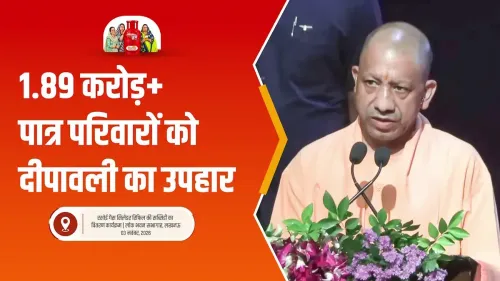
Chief Minister Yogi Adityanath joined a Diwali-timed event in Lucknow on 3 November 2026, distributing LPG refill subsidies worth ₹1,500 crore to over 1.89 crore eligible families in Uttar Pradesh under the Pradhan Mantri Ujjwala Yojana.
Key Takeaways
₹1,500 crore in LPG refill subsidies disbursed at a single Lucknow event on 3 November 2026 .
More than 1.89 crore eligible families in Uttar Pradesh are covered under this Diwali-timed distribution.
The programme operates under the Pradhan Mantri Ujjwala Yojana (PMUY) , the central clean-cooking fuel scheme launched in May 2016 .
CM Yogi Adityanath personally participated in the ceremony, framing it as a 'double engine government' initiative.
Festival-timed subsidy transfers are a deliberate strategy to boost LPG refill uptake among low-income households in UP.
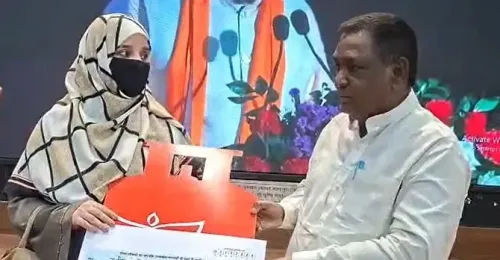
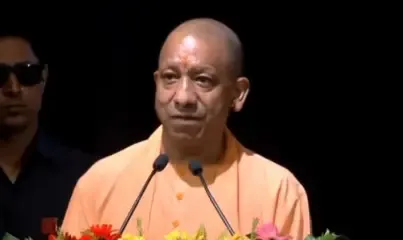
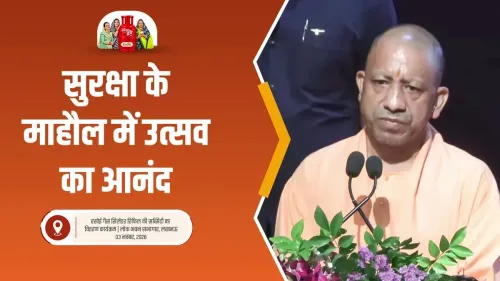
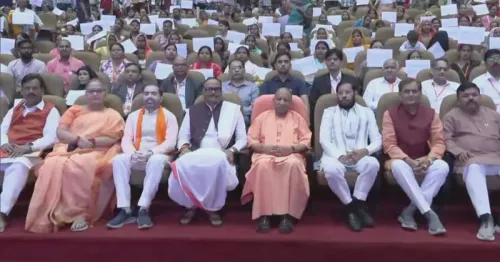
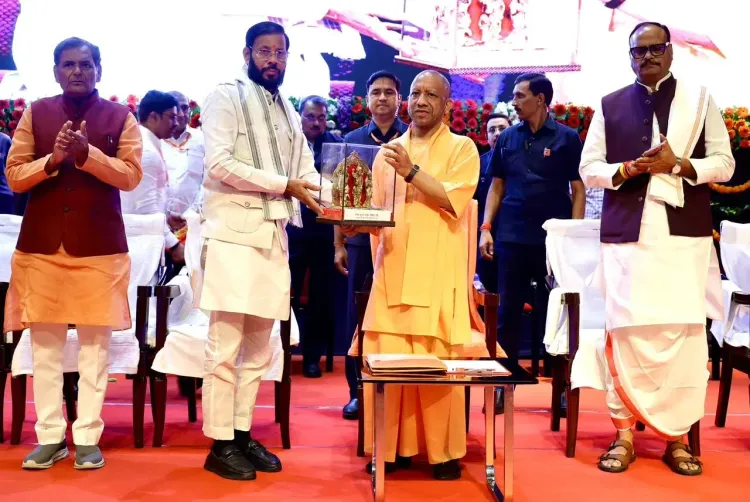
This Diwali, Uttar Pradesh Chief Minister Yogi Adityanath made a direct bid to light up kitchens — not just lamps. On Tuesday, 3 November 2026, at a ceremony in Lucknow, the Chief Minister's Office of Uttar Pradesh announced that the CM joined a distribution programme under the Pradhan Mantri Ujjwala Yojana (PMUY) to deliver cooking gas cylinder refill subsidies worth ₹1,500 crore to more than 1.89 crore eligible families across the state.
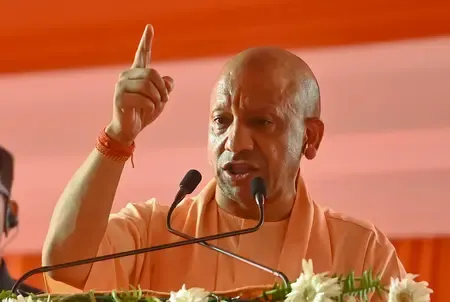
The post, shared in Hindi, declared: 'त्योहार की खुशियां हर घर तक, जनकल्याण का संकल्प हर परिवार के साथ!' — 'Festive joy to every home, the pledge of public welfare with every family!' CM Yogi was quoted as saying that the 'double engine government' is resolved to ensure that the happiness of festivals reaches every section of society and every family can celebrate with joy.
PMUY's decade-long push — and UP's amplifier role
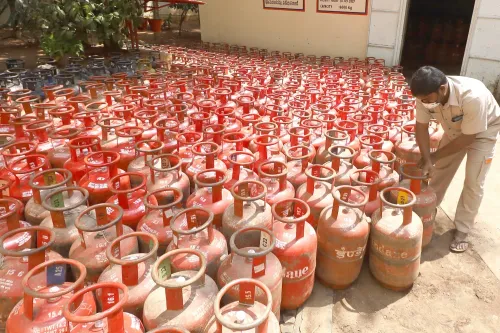
Pradhan Mantri Ujjwala Yojana was launched nationally in May 2016 to bring free LPG connections to below-poverty-line households, with women as the primary beneficiaries. Over the decade since, the scheme has expanded from connections to targeted refill subsidies — the critical second step that determines whether a household actually uses clean fuel or slips back to biomass.
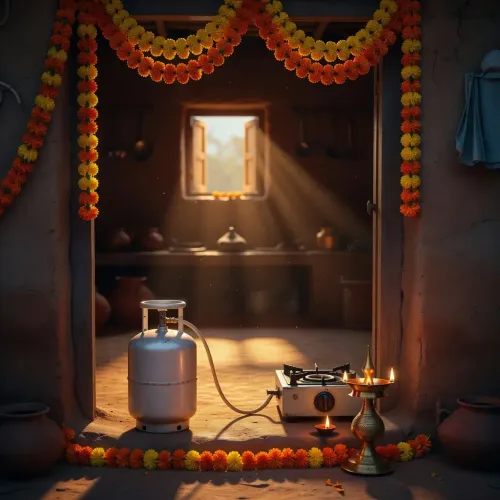
Uttar Pradesh, India's most populous state, carries an outsized share of that challenge. A large rural BPL population and historically low refill uptake have made subsidy transfer programmes here a national bellwether. State-level top-ups and distribution events layered onto the central PMUY framework are a recurring strategy to close that uptake gap — and the festival calendar is deliberately chosen, when household cooking demand spikes and the symbolic weight of a full gas cylinder is highest.
The 'double engine' politics of welfare delivery
CM Yogi's invocation of 'double engine sarkar' — the BJP's shorthand for aligned central and state governments — is more than campaign language here. It frames the ₹1,500 crore disbursement as a product of Centre-state coordination rather than either government acting alone, reinforcing the political argument that single-party rule across both levels produces faster, larger welfare outcomes.
Festival-timed distributions serve a dual purpose: they maximise visibility and they address a real behavioural pattern — low-income families are more likely to use a subsidised refill when it arrives alongside a celebration rather than as a bureaucratic transaction in an ordinary month.
With 1.89 crore families in scope, the scale of this single-event disbursement is significant. Whether the funds clear beneficiary accounts before Diwali lamps are lit will be the real test of the programme's execution.
Point of View
500 crore disbursement not merely as a central scheme but as a BJP governance dividend, blurring the line between policy delivery and electoral messaging ahead of future cycles. The scale — 1.89 crore families in a single event — also tests whether UP's direct benefit transfer infrastructure can handle high-volume, time-sensitive disbursements, an ongoing pressure point for the state. If execution matches the announcement, it strengthens the template; if delays surface, they will become the story.
NationPress
3 Nov 2026
Frequently Asked Questions
What is Pradhan Mantri Ujjwala Yojana and who benefits from it?
Pradhan Mantri Ujjwala Yojana (PMUY) is a central government scheme launched in May 2016 to provide free LPG connections and refill subsidies to below-poverty-line households, with women as the primary beneficiaries.
How much subsidy did UP distribute under PMUY in November 2026?
The Uttar Pradesh government distributed LPG refill subsidies worth ₹1,500 crore to more than 1.89 crore eligible families at a Lucknow event on 3 November 2026.
Why was the LPG subsidy event held around Diwali?
Festival seasons like Diwali are deliberately chosen for welfare distributions because household cooking demand peaks and low-income families are more likely to use subsidised gas when it arrives alongside a celebration.
What does 'double engine government' mean in this context?
'Double engine government' is the BJP's term for aligned ruling parties at both the central and state levels in Uttar Pradesh, used here to credit Centre-state coordination for the scale of the subsidy programme.
How many families in Uttar Pradesh are covered under PMUY?
According to the Chief Minister's Office of Uttar Pradesh, more than 1.89 crore families in the state are eligible under the current PMUY refill subsidy distribution announced on 3 November 2026.