CM Fadnavis Launches Mulyavardhan Programme 2.0 for Maharashtra Schools
Synopsis
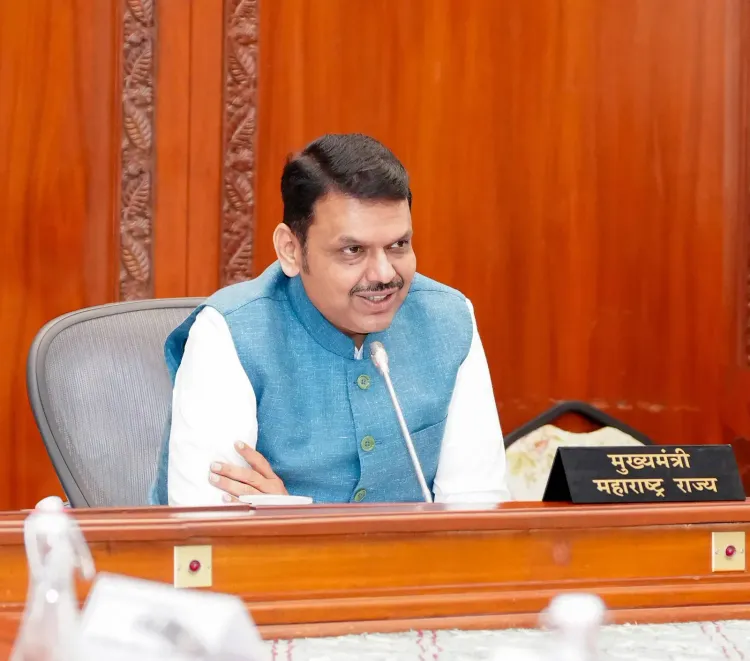
Maharashtra CM Devendra Fadnavis chaired a review of the Mulyavardhan Programme at Sahyadri Guest House on June 9, 2026, and directed the large-scale statewide rollout of Phase 2, aimed at building leadership, communication skills, and civic responsibility among school students.
Key Takeaways
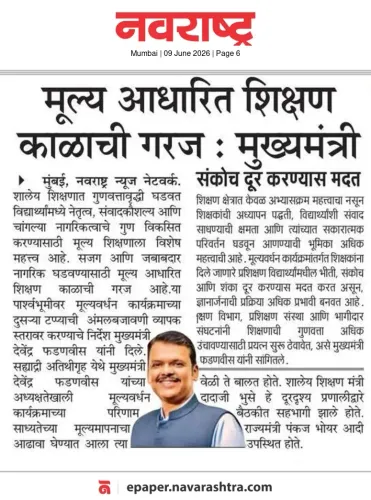
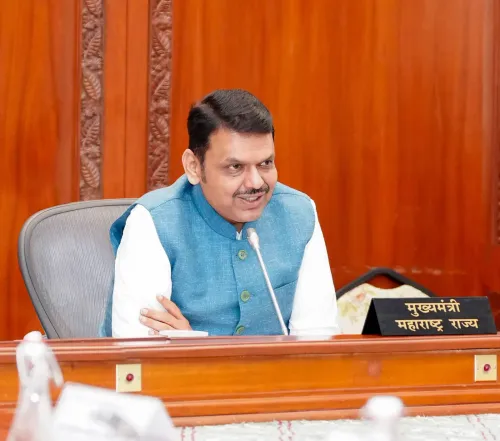
CM Devendra Fadnavis chaired a review meeting on the Mulyavardhan Programme at Sahyadri Guest House, Mumbai on June 9, 2026 .
He directed large-scale implementation of Mulyavardhan Programme 2.0 across all of Maharashtra .
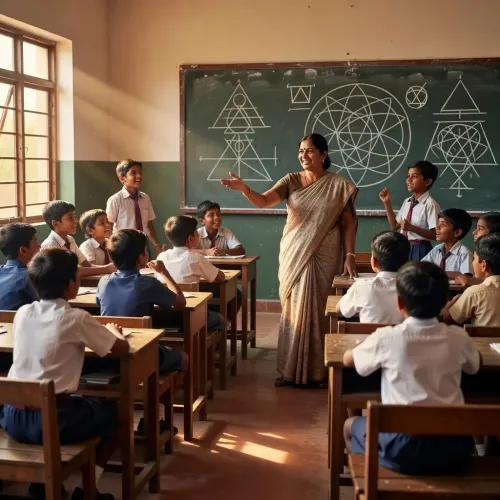
The programme focuses on value-based education to develop leadership, communication skills, and civic responsibility in students.
The Education Department , training institutions, and the Shantilal Muttha Foundation were instructed to coordinate closely for Phase 2 rollout.
Cabinet Minister Dadaji Bhuse and MoS Dr.
Pankaj Bhoyar attended the review meeting alongside senior officials.
The initiative aligns with the National Education Policy 2020 's mandate for embedding ethics and life skills in school curricula.
Maharashtra Chief Minister Devendra Fadnavis on Tuesday, June 9, 2026, chaired a review meeting at Sahyadri Guest House, Mumbai, directing the large-scale rollout of the second phase of the Mulyavardhan Programme — a state initiative aimed at embedding value-based education across government schools in Maharashtra.
Context
The meeting was convened to evaluate outcomes achieved under the first phase of the Mulyavardhan Programme and chart the course for its expansion. Cabinet Minister Dadaji Bhuse, Minister of State Dr. Pankaj Bhoyar, Shantilal Muttha — Founder of the Shantilal Muttha Foundation — and senior officials from the Education Department were present. The Chief Minister directed the Education Department, training institutions, and partner organisations to work in close coordination to strengthen implementation.
Fadnavis underscored that value-based education is central to developing leadership and communication skills among students, stating the goal is to produce 'responsible citizens' who are 'academically capable' as well as 'aware, sensitive, and responsible.'
Policy Backdrop
The Mulyavardhan Programme sits within a broader national policy direction: the National Education Policy 2020 explicitly recommended embedding value education, ethics, and life skills into school curricula. Maharashtra has periodically introduced supplementary programmes to strengthen moral and civic components alongside the standard academic syllabus, often leveraging public-private partnerships with civil society foundations to scale delivery while retaining departmental oversight.
The Shantilal Muttha Foundation has been a civil society partner in this initiative, reflecting the state's model of co-implementing such modules through established non-governmental organisations. The second phase — Mulyavardhan 2.0 — is intended to deepen and widen this framework statewide.
Stakeholders and Impact
The primary beneficiaries are school students across Maharashtra's government school network. The programme is designed not merely to supplement academic learning but to build civic awareness and social sensitivity — qualities the Chief Minister framed as essential to responsible citizenship. Education officials, training institutions, and partner organisations form the implementation chain.
By bringing together the Education Department and the Shantilal Muttha Foundation under a single coordination mandate, the state is signalling a more structured, accountable rollout for Phase 2 compared to the earlier phase. The presence of both a Cabinet Minister and a Minister of State at the review meeting indicates political priority at the departmental level.
What's Next
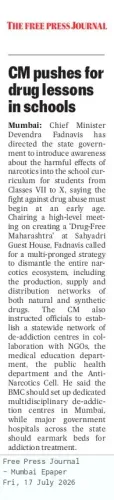
Attention will now turn to district-level rollout schedules for Mulyavardhan 2.0 and the framework for third-party evaluations that will measure changes in student leadership and communication indicators. The Chief Minister's directive for 'large-scale implementation' across the state sets an ambitious scope; the pace and uniformity of that expansion will be the key metric to watch in the months ahead.
Point of View
The government is building political accountability into what might otherwise be a routine departmental scheme. The emphasis on 'responsible citizenship' alongside academic capability reflects a wider BJP governance narrative that links education reform to civic character-building. Whether the ambition translates into measurable district-level outcomes will depend on the coordination mechanism Fadnavis has now publicly demanded.
NationPress
23 Oct 2026
Frequently Asked Questions
What is the Mulyavardhan Programme in Maharashtra?
The Mulyavardhan Programme is a Maharashtra government initiative that promotes value-based education in schools, focusing on building leadership, communication skills, and civic responsibility among students alongside standard academic learning.
What is Mulyavardhan Programme 2.0?
Mulyavardhan 2.0 is the second phase of the programme, directed by CM Devendra Fadnavis on June 9, 2026, for large-scale statewide implementation after a review of outcomes achieved under the first phase.
Who is Shantilal Muttha and what is his role in Maharashtra education?
Shantilal Muttha is the Founder of the Shantilal Muttha Foundation, a civil society organisation that is a key partner in implementing the Mulyavardhan Programme alongside the Maharashtra Education Department.
What did CM Fadnavis say about value-based education?
Fadnavis emphasised that value-based education plays an important role in developing leadership and communication skills, and that students should grow into not only academically capable individuals but also aware, sensitive, and responsible citizens.
How does Mulyavardhan align with the National Education Policy 2020?
The National Education Policy 2020 recommended embedding value education, ethics, and life skills into school curricula — the same goals that the Mulyavardhan Programme pursues through its state-level implementation in Maharashtra.