CM Fadnavis Orders Statewide Rollout of Mulyavardhan 2.0

Synopsis
Chief Minister Devendra Fadnavis has directed a broad statewide rollout of the Value Addition Programme 2.0 in Maharashtra schools, aiming to develop leadership, communication and citizenship qualities in students alongside academic learning, following a review meeting at Sahyadri Guest House, Mumbai.
Key Takeaways
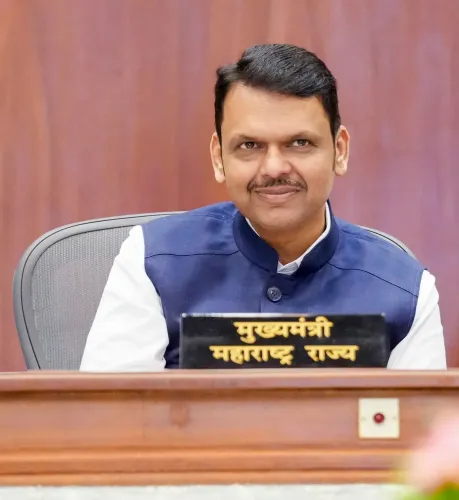
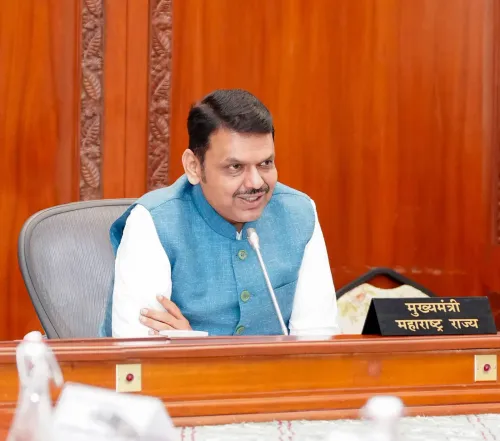
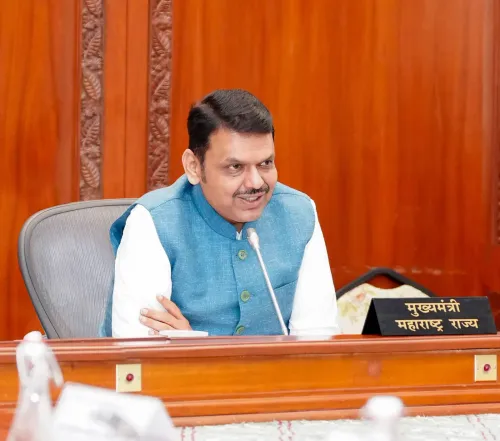
CM Devendra Fadnavis chaired a review meeting at Sahyadri Guest House, Mumbai on 8 June 2026 to assess outcomes of the Mulyavardhan Programme.
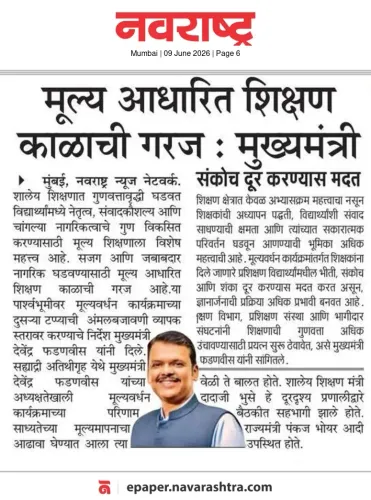
He directed a statewide, large-scale implementation of Value Addition Programme 2.0 in Maharashtra's school education system.
The programme focuses on developing leadership, communication skills and responsible citizenship in students beyond academic performance.
Teacher training under the programme is designed to remove fear, hesitation and doubt in classrooms and make learning more effective.
School Education Minister Dadaji Bhuse , Minister of State Dr.
Pankaj Bhoyar and Shantilal Muththa Foundation founder Shantilal Muththa attended the meeting.
The Education Department, training institutions and partner organisations have been asked to coordinate and continue efforts to raise education quality.
The Chief Minister's Office of Maharashtra announced on Monday, 8 June 2026 that Chief Minister Devendra Fadnavis has directed a broad statewide implementation of the Value Addition Programme 2.0 (Mulyavardhan Karyakram 2.0), a school-level initiative aimed at building leadership, communication skills and responsible citizenship among students. The announcement followed a review meeting chaired by Fadnavis at Sahyadri Guest House, Mumbai, where the outcomes of the programme's earlier phase were assessed.
Context
The meeting brought together School Education Minister Dadaji Bhuse, Minister of State Dr. Pankaj Bhoyar, and Shantilal Muththa, founder of the Shantilal Muththa Foundation, along with senior officials. The gathering was convened specifically to evaluate the results achieved under the first phase of the programme and chart the course for its expansion.
Addressing the meeting, CM Fadnavis said: 'In the field of education, the curriculum alone is not what matters — a teacher's method of instruction, the ability to communicate with students, and the role of bringing about positive change in them is far more important.' He emphasised that training provided to teachers under the programme has been helping remove fear, hesitation and doubt among students, making the process of learning more effective.
Policy Backdrop
The Mulyavardhan programme is part of Maharashtra's sustained effort to align school education with the spirit of the National Education Policy 2020, which directed states to integrate value education, character building and holistic development into school curricula. The initiative is implemented through coordinated efforts between the state Education Department, teacher-training institutions and civil-society partners such as the Shantilal Muththa Foundation.
Phase 1 of the programme focused on structured teacher training designed to transform classroom dynamics — moving away from rote instruction toward interactive, student-centred learning. The 2.0 phase is intended to scale these interventions more widely across the state, building on the foundation laid in earlier cycles.
Stakeholders and Impact
The primary beneficiaries are school students across Maharashtra, who are expected to gain not just academic proficiency but also qualities of civic awareness, sensitivity and responsibility. Teachers stand to benefit from enhanced training frameworks that equip them to foster open, fear-free classrooms.
CM Fadnavis stated that the goal is to make students 'not merely academically excellent but also aware, sensitive and responsible citizens.' He called for the Education Department, training institutions and partner organisations to work in coordination and continue efforts to raise education quality. The movement for value-based education, he said, needs to be expanded broadly in the time ahead.
What's Next
With the directive for wider implementation now issued, attention will turn to the rollout schedule, district-wise coverage targets and the metrics by which Value Addition Programme 2.0 will be assessed in the coming academic year. The coordination framework between government departments and civil-society partners will be critical to translating the CM's instructions into measurable outcomes on the ground.
Any budgetary or legislative references to the programme during Maharashtra's upcoming monsoon session of the legislature could provide further signals about the scale and pace of the planned expansion.
Point of View
Harder-to-measure domain of character and citizenship development — a space the National Education Policy 2020 opened up but left largely to state discretion. By personally chairing the review and issuing rollout directives, Fadnavis is lending political weight to what has traditionally been a low-visibility programme, potentially making it a visible governance deliverable ahead of the legislative session. The involvement of a civil-society partner like the Shantilal Muththa Foundation also reflects Maharashtra's established model of public-private collaboration in education reform. Whether the programme achieves scale will depend on how rigorously the state defines and tracks outcome metrics in the 2.0 phase.
NationPress
26 Oct 2026
Frequently Asked Questions
What is the Mulyavardhan Programme in Maharashtra?
The Mulyavardhan Programme is a Maharashtra government initiative in school education that focuses on value-based learning, aiming to develop leadership, communication skills and responsible citizenship in students alongside their academic curriculum.
What is Value Addition Programme 2.0 Maharashtra?
Value Addition Programme 2.0 is the expanded second phase of Maharashtra's Mulyavardhan initiative, directed by CM Devendra Fadnavis for broad statewide implementation to build on teacher-training and student-development outcomes achieved in the first phase.
Who is Shantilal Muththa Foundation and what is its role in Maharashtra education?
The Shantilal Muththa Foundation, founded by Shantilal Muththa, is a civil-society partner organisation that supports the implementation of value education and teacher training in Maharashtra schools as part of the state's Mulyavardhan programme.
What did CM Devendra Fadnavis say about teacher training in schools?
CM Fadnavis stated that a teacher's method of instruction and ability to communicate with students is more important than the curriculum alone, and that teacher training under the Mulyavardhan programme helps remove fear and hesitation in students, making learning more effective.
How does Maharashtra's value education programme relate to NEP 2020?
Maharashtra's Mulyavardhan Programme aligns with the National Education Policy 2020, which directed states to integrate value education, character building and holistic development into school curricula alongside academic learning.