Orange Cluster initiative: Maha reviews plan to boost Vidarbha growers' income

Synopsis
Maharashtra's Orange Cluster initiative got a high-level push on 16 July, with Minister Ashish Jaiswal directing AI deployment, nursery inspections, and direct export linkages for Vidarbha's orange belt. The move signals the state's intent to transform a regionally significant crop into a globally branded commodity — but execution across Nagpur, Amravati, and Wardha will be the real test.
Key Takeaways
Minister of State for Agriculture Ashish Jaiswal chaired a review of the Orange Cluster initiative on 16 July in Mumbai.
The initiative targets orange growers in Nagpur , Amravati , and Wardha districts of Vidarbha.
Key interventions include AI and digital technologies , micro-irrigation , high-tech nurseries, and post-harvest management.
Jaiswal directed a comprehensive nursery inspection and priority workshops for nursery operators and growers.
Agricultural universities are to issue regular advisories on disease management, orchard rejuvenation, and quality production.
Two MLAs are to be added to the Citrus Fruit Improvement Centre's committee to strengthen oversight.
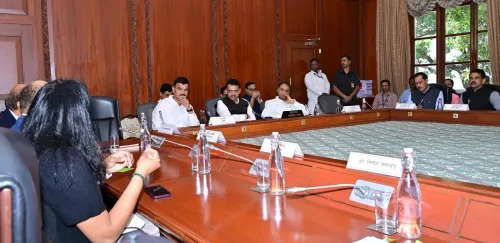
Maharashtra's Minister of State for Agriculture Ashish Jaiswal on 16 July chaired a high-level review meeting on the Orange Cluster initiative, aimed at raising the incomes of orange growers across Vidarbha and building a stronger orange value chain in the region. The meeting examined a proposed framework covering the full spectrum of the crop cycle — from planting to export.
Key Areas Under Review
Discussions at the meeting focused on a range of interventions: ensuring the availability of disease-free planting material, establishing high-technology nurseries, rejuvenating ageing orchards, deploying artificial intelligence (AI) and digital tools, expanding micro-irrigation, and improving post-harvest management. Processing industries, value addition, branding, and direct linkages to both domestic and export markets were also examined in detail.
The orange-growing belt of Nagpur, Amravati, and Wardha was identified as the primary focus zone, with officials directed to adopt an integrated approach to tackle challenges including climate change, disease outbreaks, shortage of quality planting material, and post-harvest losses.
What the Government Said
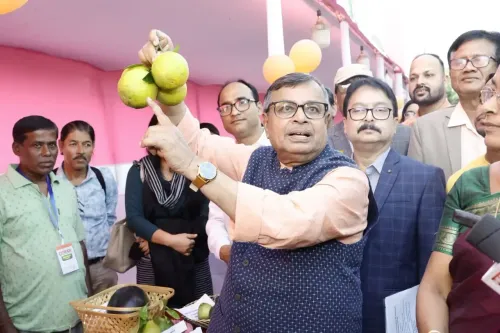
Speaking at the meeting, Minister Jaiswal described the Orange Cluster as 'not merely a development project but an ambitious initiative aimed at increasing the income of orange growers in Vidarbha while giving Maharashtra's oranges a new identity in the global market.' He directed all departments to coordinate closely for effective implementation.
Jaiswal also called for a comprehensive inspection of nurseries in the region and ordered that workshops for nursery operators be organised on a priority basis. He further directed that regular guidance workshops for orange growers be held under the Citrus Fruit Improvement Centre.
Institutional Reforms Directed
The Minister instructed officials to conduct a detailed review of the Citrus Fruit Improvement Centre's overall functioning. He also directed that participation of public representatives be increased by including two MLAs on the Centre's committee — one from the concerned constituency and another from an adjoining constituency.
Agricultural universities were directed to issue regular practical advisories on modern technologies, disease management, water and nutrient management, orchard rejuvenation, and quality production. These recommendations are to be widely disseminated among farmers through outreach initiatives.
Who Attended
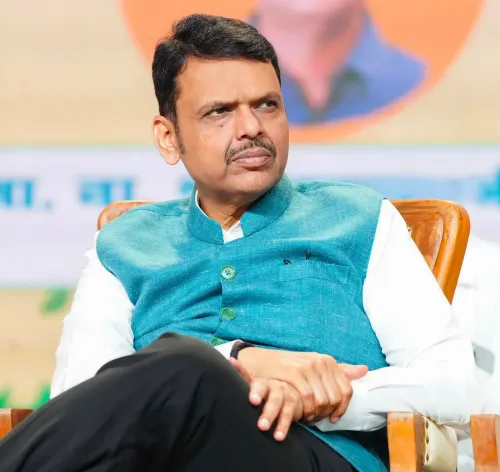
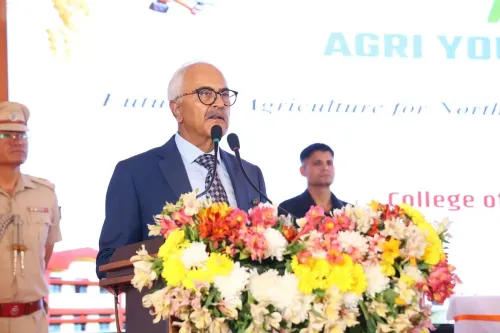
The meeting was attended by Agriculture Department Secretary Parimal Singh, Deputy Secretary Shrikant Andge, MLAs Charansing Thakur, Sumit Wankhede, and Umesh Yawalkar, along with Ashish Deshmukh, the Agriculture Commissioner, the Director of Agriculture, the Vice-Chancellor of Panjabrao Deshmukh Krishi Vidyapeeth, and other senior officials.
What Comes Next
With nursery inspections, grower workshops, and inter-departmental coordination all directed on a priority basis, the Orange Cluster's implementation timeline will depend on how swiftly the Agriculture Department and allied agencies translate the framework into ground-level action. The inclusion of elected representatives on the Citrus Fruit Improvement Centre's committee signals an effort to embed political accountability into the programme's oversight structure.
Point of View
But Maharashtra has a long history of agricultural schemes that stall between announcement and field-level delivery. The directive to deploy AI and digital tools in Vidarbha's orange belt is forward-looking, yet the region's smallholder farmers first need reliable access to disease-free planting material and functional cold-chain infrastructure — basics that have been flagged in past reviews. Adding MLAs to the Citrus Fruit Improvement Centre's committee could sharpen accountability or introduce political friction; the outcome depends on whether the mandate is advisory or operational. The real measure of this initiative will be whether orange growers in Nagpur and Amravati see a verifiable income increase in the next two crop cycles.
NationPress
15 Oct 2026
Frequently Asked Questions
What is the Orange Cluster initiative in Maharashtra?
The Orange Cluster is a Maharashtra government programme designed to raise the incomes of orange growers in the Vidarbha region by strengthening the entire orange value chain — from disease-free planting material and high-tech nurseries to processing, branding, and export linkages. A review of its proposed framework was held on 16 July under Agriculture Minister of State Ashish Jaiswal.
Which districts in Vidarbha are covered under the Orange Cluster?
The initiative focuses on the orange-growing belt of Nagpur, Amravati, and Wardha districts in Vidarbha, which are Maharashtra's primary orange-producing zones.
What role will AI play in the Orange Cluster?
Artificial intelligence and digital technologies are among the key tools proposed under the Orange Cluster to modernise farming practices, improve disease management, and enhance productivity in Vidarbha's orange orchards.
Who will oversee implementation of the Orange Cluster?
All Agriculture Department agencies have been directed to coordinate under Minister Ashish Jaiswal's guidance. The Citrus Fruit Improvement Centre will play a central role, and its committee is to be expanded to include two MLAs — one from the concerned constituency and one from an adjoining constituency — to strengthen public accountability.
What immediate steps have been ordered for orange growers?
Officials have been directed to conduct a comprehensive inspection of nurseries in the region, organise priority workshops for nursery operators, hold regular guidance workshops for growers under the Citrus Fruit Improvement Centre, and ensure agricultural universities issue practical advisories on modern farming and disease management.