Mahua Moitra Calls for 'Traitor Benches' in Parliament
Synopsis
TMC MP Mahua Moitra on 22 June 2026 called for a new parliamentary seating category — 'Traitor Benches' — alongside the traditional treasury and opposition benches, in a sharp rhetorical challenge to legislators she implies betray their electoral mandates.
Key Takeaways
Mahua Moitra , TMC Lok Sabha MP from Krishnanagar , posted the proposal on 22 June 2026 .
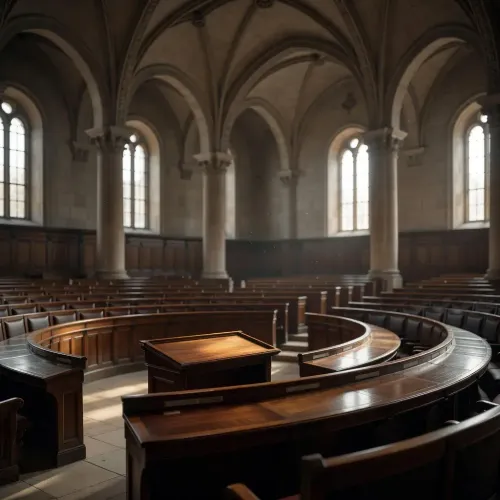
She called for Parliament to formally recognise a third seating category: 'Traitor Benches,' beyond treasury and opposition benches.
Indian parliamentary seating follows the Westminster model codified in the Rules of Procedure of Lok Sabha since 1952 .
The Tenth Schedule (1985) already governs anti-defection, but Moitra's framing targets perceived political betrayal beyond legal defection.
No individual or party was named in the post; the target remains open to interpretation.
The remark is likely to set the rhetorical tone ahead of the next monsoon session of Parliament .
TMC MP Mahua Moitra on Monday, 22 June 2026, called for a fundamental change to parliamentary seating and terminology, proposing that the house recognise a third category beyond the traditional treasury and opposition benches — one she termed 'Traitor Benches.'
Context
Moitra's post on X read: 'Time to change Parliamentary seating and parlance to Treasury Benches, Opposition Benches and Traitor Benches.' The statement is a sharp rhetorical intervention, implying that certain parliamentarians currently seated alongside either the ruling coalition or the opposition do not genuinely represent the interests they are supposed to uphold. She did not name any individual or party in the post.
The remark comes from one of Parliament's most vocal opposition voices. Moitra, the Lok Sabha MP from Krishnanagar, West Bengal, has a well-documented record of pointed questioning during committee proceedings and floor debates, often targeting what she describes as institutional erosion under the current central government.
Policy Backdrop
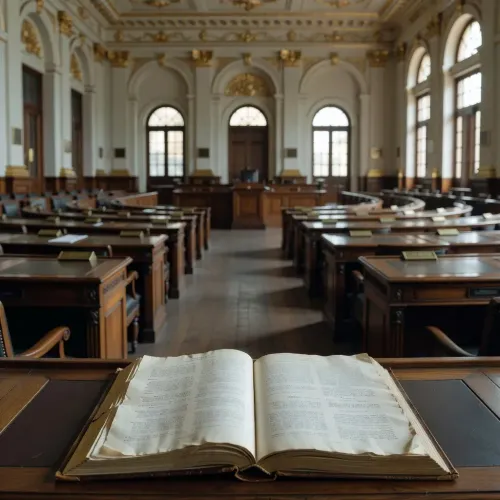
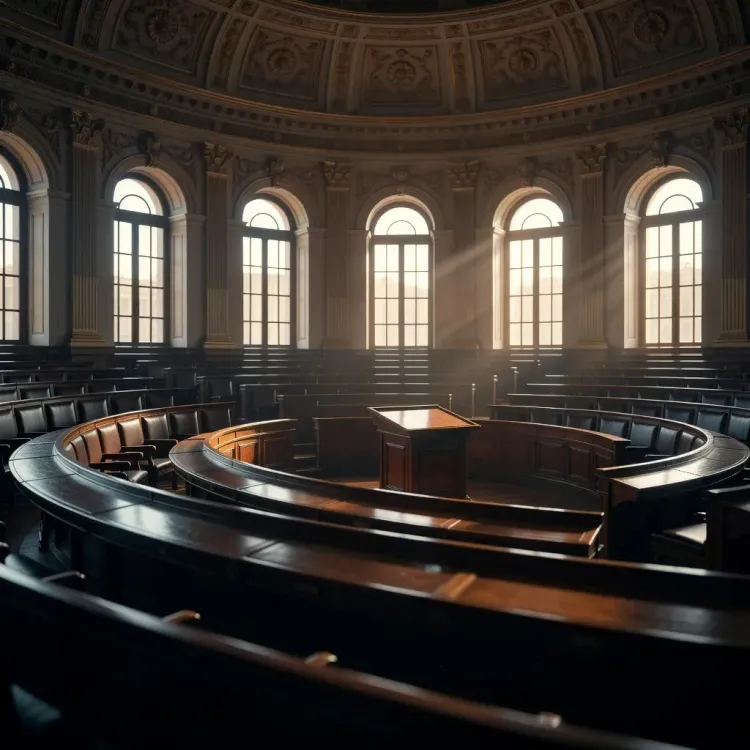
Indian parliamentary seating follows the Westminster model adopted at independence and formalised in the Rules of Procedure of Lok Sabha since 1952. Under this arrangement, the ruling coalition occupies the treasury benches to the Speaker's right, while opposition parties sit to the left. The structure is not merely spatial — it determines speaking order, committee representation, and the formal recognition of the Leader of Opposition.
The Tenth Schedule, inserted into the Constitution in 1985, introduced anti-defection provisions precisely to enforce accountability to party mandates. Defectors who vote against their party whip can be disqualified from membership, yet the political perception that some legislators act against the spirit of their electoral mandate has persisted across multiple Lok Sabha sessions. Moitra's coinage of 'Traitor Benches' appears to invoke this tension between formal anti-defection law and perceived political betrayal.
Stakeholders and Impact
The remark directly implicates opposition MPs and parliamentary affairs officials who manage floor coordination. If read as targeting cross-voting or floor-crossing behaviour, it touches every party in the house. All India Trinamool Congress, Moitra's party, has itself been a subject of defection controversies in West Bengal state politics, giving the comment a layered resonance.
Parliamentary discourse in India has seen recurring friction over language used to describe dissent since the 16th Lok Sabha. Strong political rhetoric labelling opponents as traitors or anti-national has appeared across sessions dealing with national security legislation and contentious bills, raising concerns among constitutional scholars about the quality of deliberative debate.
What's Next
Moitra's post is likely to generate reactions from across party lines ahead of the next monsoon session of Parliament. Procedural observers will watch whether any MP files a rule-change notice or raises a privilege motion in response to the language. More broadly, the statement adds to a growing body of political rhetoric questioning the loyalty of legislators — a theme that could shape the tone of parliamentary proceedings in the coming session.
Point of View
Designed to reframe the political debate from procedural dissent to moral culpability. By proposing a formal spatial category for perceived betrayal, she is doing something more than scoring a point — she is attempting to shift the vocabulary of parliamentary accountability. The move fits a broader pattern in Indian opposition politics of using symbolic language to compensate for numerical weakness on the floor. Whether it galvanises opposition solidarity or invites a privilege motion, the statement ensures Moitra remains at the centre of the pre-session political conversation.
NationPress
22 Jun 2026
Frequently Asked Questions
What did Mahua Moitra say about Parliament seating?
Mahua Moitra proposed on 22 June 2026 that Parliament adopt a new seating category called 'Traitor Benches,' in addition to the existing treasury and opposition benches, targeting legislators she implies do not honour their mandates.
What are treasury benches and opposition benches in Indian Parliament?
In India's Lok Sabha, the treasury benches are occupied by the ruling coalition to the Speaker's right, while opposition parties sit to the Speaker's left — a structure inherited from the Westminster parliamentary model adopted in 1952.
What is the Tenth Schedule of the Indian Constitution?
The Tenth Schedule, inserted in 1985, contains India's anti-defection law. It allows disqualification of MPs who vote against their party's whip or voluntarily give up party membership, aiming to prevent political floor-crossing.
Who is Mahua Moitra?
Mahua Moitra is a Lok Sabha MP from Krishnanagar, West Bengal, representing the All India Trinamool Congress. She is known for vocal parliamentary interventions and sharp questioning on governance and constitutional issues.
Can India's parliamentary seating arrangement actually be changed?
Any change to parliamentary seating or formal terminology would require an amendment to the Rules of Procedure of Lok Sabha, which are governed by the Speaker and require procedural motions — making Moitra's proposal a political statement rather than an immediate legislative move.