Mahua Moitra slams Delhi Police over protest remark
Synopsis
TMC Lok Sabha MP Mahua Moitra on October 16, 2026 publicly accused Delhi Police of standing alongside 'RSS hoods' against unarmed protestors, reading a Delhi Police statement as an inadvertent admission and reigniting a long-running opposition charge of partisan policing in the capital.
Key Takeaways
Mahua Moitra , TMC MP from Krishnanagar , replied directly to @DelhiPolice on X on October 16, 2026 .
She accused the force of standing with 'RSS hoods' while unarmed young protestors faced them alone.
The phrase 'glad you finally said it aloud' frames a Delhi Police statement as an unintended admission.
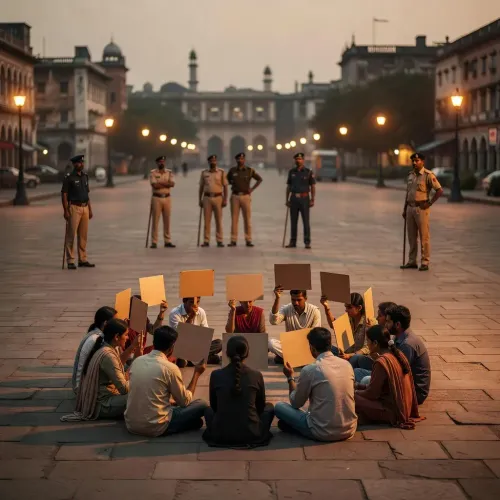
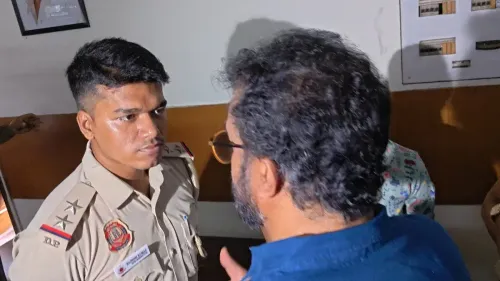
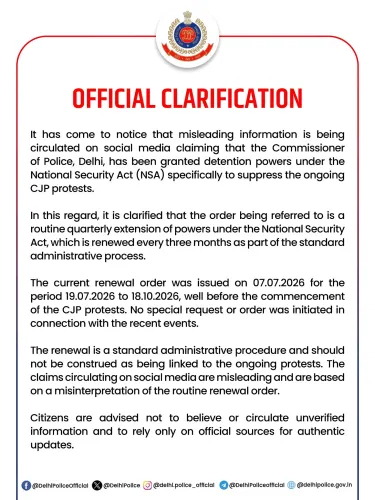
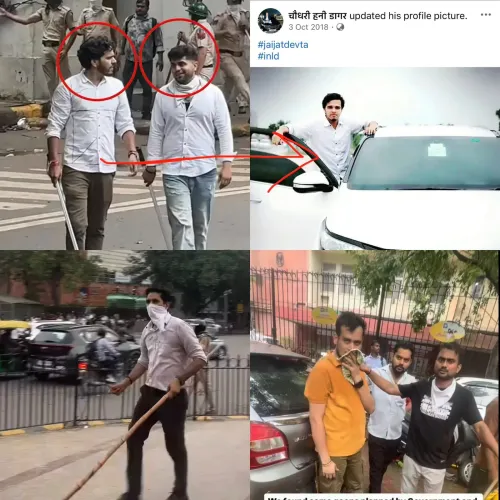
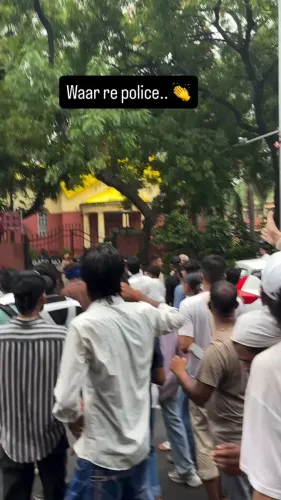
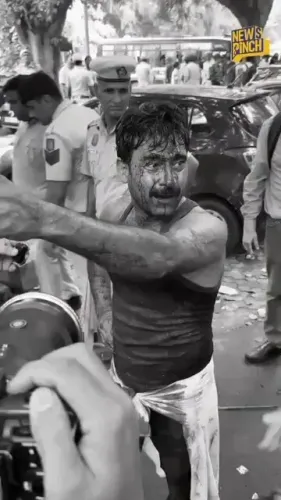
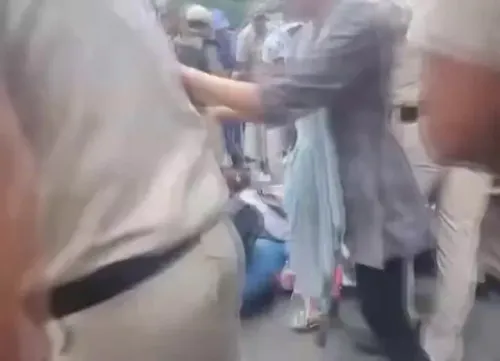
The post came with four images ; the specific triggering Delhi Police statement has not been independently verified.
The accusation echoes charges TMC and other opposition parties made during the 2019-2020 anti-CAA protests .
Delhi Police is controlled by the Ministry of Home Affairs , not the Delhi state government — the structural flashpoint underlying the broader debate.
A sharp political flashpoint erupted on Friday, October 16, 2026, when TMC MP Mahua Moitra turned a statement by Delhi Police into a pointed indictment — accusing the force of standing with 'RSS hoods' against unarmed young protestors.
What Moitra said — and what it implies
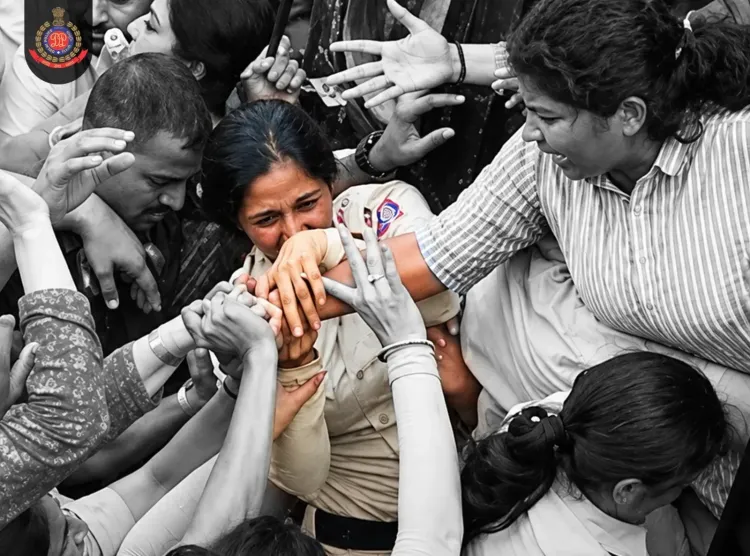
Replying directly to @DelhiPolice on X, Moitra wrote: 'Yes, it takes courage for young unarmed protestors standing alone against you and your crowd of RSS hoods. Glad you finally said it aloud.' The post was accompanied by four images, the content of which has not been independently described by the force.
The phrasing 'glad you finally said it aloud' signals that Moitra read Delhi Police's own statement as an inadvertent admission — that protestors do indeed require courage to face the police and allied groups. The post does not specify which Delhi Police statement triggered the reply, but the combative framing leaves little ambiguity about her interpretation.
Delhi Police, the RSS charge, and a long-running opposition argument
Delhi Police operates under the Ministry of Home Affairs, not the elected Delhi government — a structural arrangement that opposition parties have long argued makes it a tool of whoever holds power at the Centre. TMC, along with several other opposition formations, has repeatedly alleged that the force applied uneven pressure during major protests: moving hard against demonstrators while appearing tolerant toward counter-groups linked to RSS affiliates.
The accusation traces a well-worn groove in Indian political discourse. During the 2019-2020 anti-CAA agitation, opposition MPs levelled near-identical charges after incidents at sites including Jamia Millia Islamia in New Delhi. Moitra's October 2026 post reactivates that framing in response to a fresh, unspecified incident — reinforcing a narrative the TMC has deployed consistently across multiple protest cycles.
Moitra's pattern of institutional confrontation
The Krishnanagar MP has built a national profile through aggressive questioning of central institutions from the floor of Parliament and on social media. Her interventions tend to be short, surgically targeted, and designed to force a response — or, failing that, to let the silence speak. This post fits the template precisely: a single sentence that reframes the adversary's words as a confession.
Whether Delhi Police issues a rebuttal, whether the images attached to the post surface in wider circulation, and whether the exchange triggers a parliamentary question in the upcoming winter session will determine how far this moment travels.
The message Moitra is sending to the gallery, however, is already clear: when the police call protestors courageous, she will make sure the country hears it.
Point of View
She avoids the burden of making a fresh allegation and instead lets the institution appear to validate her long-held position. This fits into a broader TMC strategy of using central institutions' own words or actions as evidence of BJP bias, a tactic that plays well with the party's urban, rights-conscious base and keeps the RSS-police nexus allegation alive between protest cycles. The timing — with a possible winter parliamentary session on the horizon — suggests the post may be front-loading a line of questioning Moitra intends to pursue on the floor. What remains to be tested is whether Delhi Police responds publicly, a move that risks amplifying the exchange further.
NationPress
16 Oct 2026
Frequently Asked Questions
What did Mahua Moitra say about Delhi Police?
On October 16, 2026, Mahua Moitra posted on X telling Delhi Police that it 'takes courage' for young unarmed protestors to stand alone against the force and what she called 'RSS hoods,' adding she was 'glad' Delhi Police had 'finally said it aloud' — implying the force had inadvertently admitted this in its own statement.
Why does Mahua Moitra accuse Delhi Police of RSS links?
Moitra and other opposition leaders argue that Delhi Police, controlled by the central government rather than the Delhi state administration, has historically applied uneven force during protests — acting firmly against anti-government demonstrators while being lenient toward groups associated with the RSS and its affiliates. This charge dates back to at least the 2019-2020 anti-CAA agitation.
Who controls Delhi Police and why does it matter politically?
Delhi Police reports to the Ministry of Home Affairs under the central government, not to the elected Delhi state government. Opposition parties argue this structure allows the ruling party at the Centre to influence policing in the capital, making it a recurring point of political contention during protests.
What is the RSS and why is it mentioned in this context?
The Rashtriya Swayamsevak Sangh (RSS) is a Hindu nationalist volunteer organisation widely regarded as the ideological parent body of the BJP. Opposition politicians, including Moitra, frequently allege that RSS-linked groups receive preferential treatment from central agencies during political confrontations.
What could happen next after Mahua Moitra's post?
Analysts will watch for an official response from Delhi Police, further circulation of the four images attached to the post, and whether Moitra converts the exchange into a parliamentary question during the upcoming winter session.