Is Mamata Banerjee the Only Indian CM Who Approached SC to Avoid Paying DA?
Synopsis
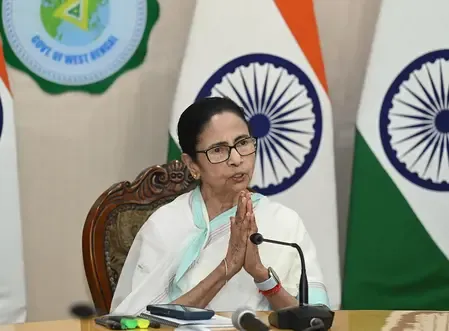
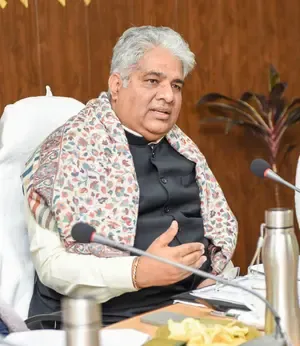
In a recent statement, Union Minister Bhupendra Yadav highlighted that Mamata Banerjee is the only Chief Minister in India who has approached the Supreme Court to avoid paying dearness allowance to her state employees. This controversial move raises questions about employee rights and government accountability.
Key Takeaways
Mamata Banerjee is the first Indian CM to approach the Supreme Court against her employees.
The Supreme Court has mandated payment of dearness allowance arrears from 2008 to 2019.
Immediate costs for the West Bengal treasury will exceed Rs 10,000 crore .
Long-term financial implications could reach Rs 42,000 crore .
The situation highlights the tension between government policies and employee rights.
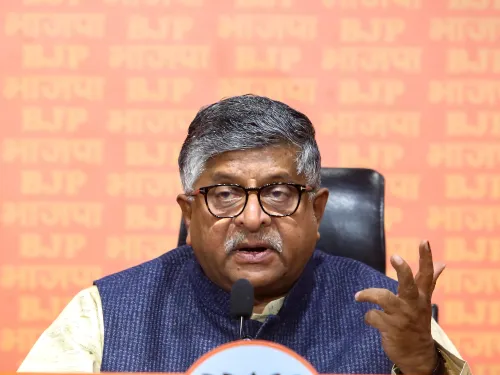
Kolkata, Feb 11 (NationPress) Union Minister of Environment, Forest and Climate Change, Bhupendra Yadav, stated on Wednesday that Mamata Banerjee is the sole Indian Chief Minister who has taken the step of approaching the Supreme Court in an effort to evade paying dearness allowance to her state government employees, which is aligned with what central government employees receive, along with the accumulated arrears over the years.
"Mamata Banerjee stands out as the only Indian Chief Minister who has sought intervention from the Apex Court against her own employees. She claimed that numerous individuals lost their lives due to the special intensive revision exercise. However, it is important to note that no fatalities occurred because of that revision. Instead, many state government employees succumbed to frustration after being deprived of their rightful dearness allowance entitlements," Yadav remarked while addressing the media on Wednesday afternoon.
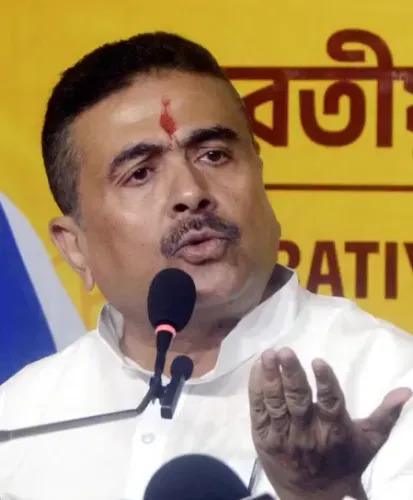
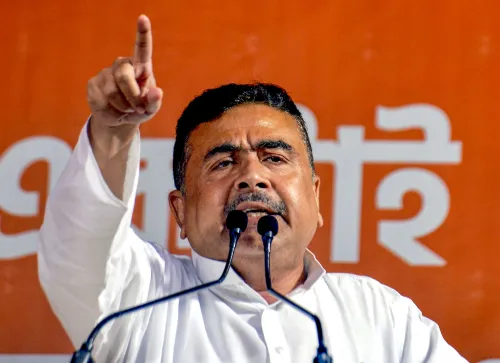
During the press conference, the leader of the opposition in the West Bengal Assembly, Suvendu Adhikari, was also in attendance.
He criticized the Chief Minister for evading media inquiries regarding the Supreme Court ruling on the dearness allowance arrears owed to West Bengal government employees, asserting that the issue was sub-judice.
"I wish to remind the Chief Minister that this matter is no longer sub-judice as the Supreme Court delivered a decisive verdict on this issue last week. The court provided explicit instructions to the West Bengal government concerning the payment of dearness allowance arrears to state employees since this payment is a matter of their legitimate right. The Chief Minister has repeatedly disregarded the Supreme Court order. Should she do so again, legal measures will be taken against her," the opposition leader stated.
The Supreme Court ruling on February 5 mandated the West Bengal government to pay dearness allowance arrears to state government employees and pensioners for the period spanning from 2008 to 2019, along with 25 percent of the total amount due by March 31 of this year.
Such payments are anticipated to impose an immediate financial burden of over Rs 10,000 crore on the state treasury, with a long-term cost projected at Rs 42,000 crore.
Point of View
It's crucial to highlight that this situation underscores the tension between state leadership and employee rights. The ongoing legal battle not only reflects on Mamata Banerjee's governance but also poses significant implications for the morale of government employees across India. Nation stands firmly with the rights of workers and the importance of upholding legal decisions.
NationPress
20 Sept 2026
Frequently Asked Questions
What prompted Bhupendra Yadav to make this statement?
Bhupendra Yadav made this statement to highlight Mamata Banerjee's unique legal action against her own employees regarding dearness allowance payments.
What are the financial implications of the Supreme Court's ruling?
The Supreme Court ruling mandates that the West Bengal government pay over Rs 10,000 crore immediately and a total of Rs 42,000 crore in the long term for dearness allowance arrears.
What does dearness allowance entail?
Dearness allowance is a cost-of-living adjustment paid to government employees to mitigate the impact of inflation on their salaries.
How might this affect the relationship between the government and employees?
This situation could lead to increased tension and dissatisfaction among state employees, potentially impacting their morale and productivity.
What legal recourse do employees have if the government fails to comply?
Employees may seek further legal action against the government for failure to comply with the Supreme Court's order, which emphasizes their right to dearness allowance.